
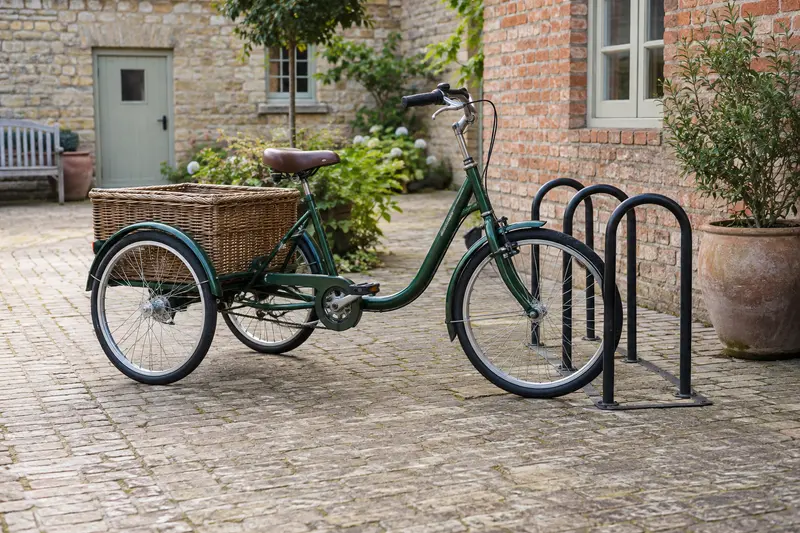
In brief
For UK use, confirm whether the exact configuration qualifies as an electrically assisted pedal cycle, or EAPC. Three wheels alone do not decide the classification. Check usable pedals, continuous rated motor power, assistance cutoff, markings and any throttle approval. An overseas e-trike listing is not evidence of UK road legality.
IN THIS GUIDE
Check the EAPC criteria first
GOV.UK says an EAPC may have more than two wheels, must have pedals capable of propelling it, and needs a motor with continuous rated output no more than 250 watts. The motor must not propel it beyond 15.5mph. The minimum rider age stated is 14. These are UK criteria; do not substitute US class labels.
Ask the seller for the continuous rating, not just a peak-power advertising number. Record the label and exact variant being supplied. If a listing omits the rating or describes an unrestricted setting, ask the manufacturer or importer to explain the classification before paying. Do not assume a software menu can make an otherwise unsuitable configuration lawful.
Start with the place of intended use and the exact regional configuration. A UK retailer page can still describe an overseas variant, while an international review may discuss rules that do not apply to the buyer's route. Write the intended jurisdiction at the top of the request sheet and ask who is responsible for the supplied vehicle's documentation. An English-language description is not evidence of UK classification. A familiar brand or a three-wheel frame also does not settle the question.
Continuous rated output and an advertised peak figure are different pieces of information. The official EAPC criterion refers to the continuous rating. Ask for that figure and the corresponding markings for the actual variant, rather than deciding from the largest number in a product headline. If the seller uses inconsistent units or describes only a peak, leave the question unresolved. This guide does not teach a buyer how to measure motor output or alter a controller to produce a desired label. The responsible supplier must explain the documented equipment.
For a hypothetical import offer, a listing promotes a powerful motor, pedals and a setting that limits displayed speed. The buyer should not infer EAPC status from that combination. They ask for the continuous rating, assistance behaviour, required markings and relevant approval evidence. A software menu shown in a video is not a legal certificate for the offered unit. If the supplier cannot provide a coherent answer, the buyer can compare a documented local configuration instead of relying on a promise to sort out restrictions after delivery.
Keep the minimum rider-age rule and other classification criteria separate from individual suitability. Meeting the category requirements does not establish balance, control understanding, seating fit or the ability to complete the ordinary journey. Ask the dealer about an appropriate demonstration and seek professional advice where needed. The classification record is one necessary part of the purchase process, not an overall score. It should tell the household which legal-equipment questions have supporting evidence and which still need clarification from the responsible source.
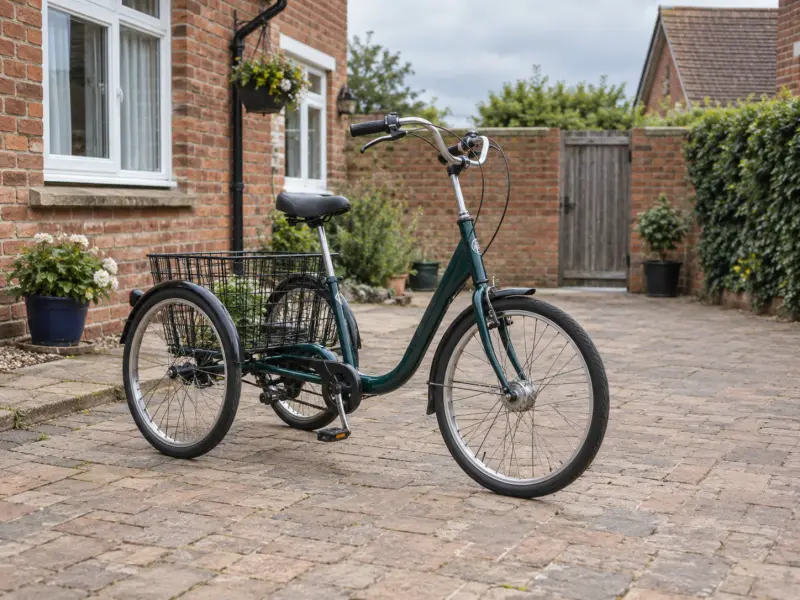
Treat propulsion without pedalling as a separate question
The same official guidance says propulsion without pedalling up to 15.5mph requires approval, and explains the approval marking. Ask what the supplied throttle actually does and which approval applies to that configuration. A seller’s description of twist-and-go or walk assistance is not enough to resolve an unclear function.
For a hypothetical import offer, the retailer provides a motor headline and a throttle video but no continuous rating or approval evidence. Mark the classification unresolved. Avoid placing an order on the promise that a later adjustment will sort it out. Request documentary answers from the responsible supplier rather than inferring legality from a similar trike’s review.
Describe the propulsion function rather than relying on its marketing name. Ask what the fitted control actually does, under which conditions it can move the vehicle without pedalling and what documentation supports that configuration. Terms such as twist-and-go or walk assistance can leave important details unclear. The GOV.UK page explains that propulsion without pedalling up to the stated assisted speed requires approval. Ask the manufacturer or importer about the exact function and any applicable approval instead of assuming every control with the same appearance is treated identically.
Do not resolve a documentary question by experimenting with the vehicle on a public road. A seller's video might show a function without identifying the regional model or legal basis. Ask for the relevant markings and documents, and use the responsible authority's guidance if clarification is needed. This article does not authorize controller changes, limiter alterations or a universal conversion process. If a supplier proposes an adjustment before sale, ask how the final supplied configuration is documented and approved rather than accepting a verbal statement that a slower setting makes everything lawful.
A hypothetical shortlist includes one vehicle whose supplier clearly identifies its intended UK configuration and one imported offer whose throttle behaviour remains uncertain. The buyer records that difference without declaring the first universally suitable. They ask the second supplier for documentary answers and keep the order open. A missing approval question should not be treated as a small inconvenience offset by a larger battery or a free basket. Those features serve different tasks and do not answer the classification concern.
Keep the exact manual and approval information with the order. At delivery, compare the actual unit and fitted controls with the written configuration. If the seller substitutes another version, revisit the relevant questions before normal use. Do not assume a shared product-family name preserves the same classification. Where the answer is disputed or unclear, seek the appropriate authority's or qualified adviser's help. A useful buying guide can organize evidence requests, but it cannot issue government approval or interpret an undocumented vehicle as lawful from photographs alone.
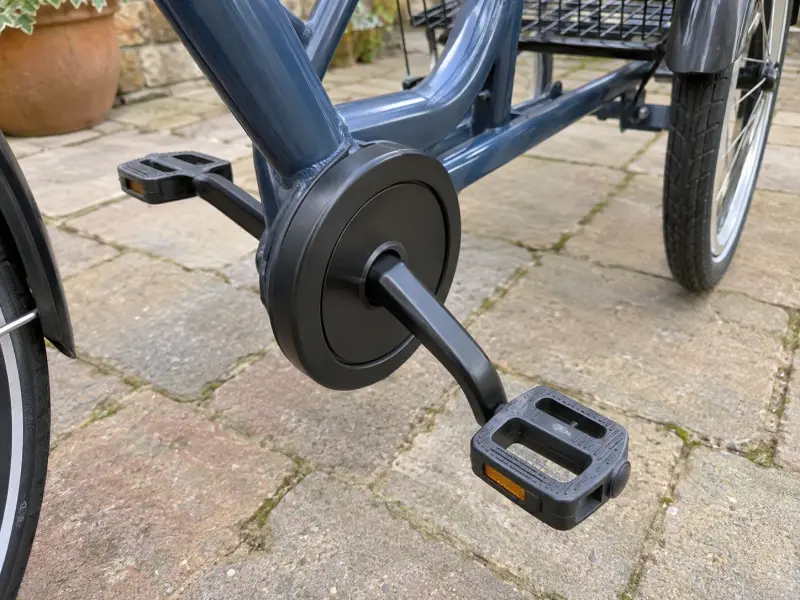
Separate product identity from riding permission
GOV.UK distinguishes qualifying EAPCs from vehicles treated as mopeds or motorcycles, with different approval, registration and use requirements. A qualifying EAPC can use places where pedal cycles are permitted, but not pavements. Check the actual route and local restrictions as well as the equipment classification before planning everyday trips.
US federal law has its own low-speed bicycle product definition, including two- and three-wheeled vehicles. It is not the UK test and does not settle every US state or local riding permission. Use the authority for the place you intend to ride. For Northern Ireland-specific questions, confirm the applicable local guidance rather than transferring a Great Britain assumption.
Classification describes the vehicle category; route permission describes where that vehicle may be used. Both need attention. A qualifying EAPC is treated as a pedal cycle for the places described in the official guidance, while pavements are excluded. Check the actual route, signs and local restrictions, particularly where a journey passes through managed land or facilities. A map application may suggest a line without confirming access for the exact vehicle. Keep any uncertainty with the relevant local authority or route manager.
Northern Ireland has its own official information on EAPCs through nidirect. That source separately describes equipment criteria, markings, rider age and type-approval questions. Use it for a Northern Ireland enquiry rather than assuming a Great Britain document is the entire local answer. This does not require inventing a legal difference where none has been established; it requires using the responsible regional source and confirming the actual configuration. Keep the date and source beside the request sheet so that later changes can be reviewed.
For a hypothetical journey, the buyer expects to ride to a shop using a road, a cycle route and a section shown as a shortcut through managed land. Equipment classification alone does not confirm the shortcut. Ask the appropriate manager about that section and investigate an alternative route if needed. The vehicle's width, handling and personal suitability also remain separate practical questions. A permitted category does not mean every route is manageable or appropriate for the intended rider.
Do not transfer US classifications into UK purchasing advice. The federal US low-speed bicycle definition and state or local riding rules concern a different jurisdiction. A US class label on an overseas review is not the British EAPC test, nor does a UK answer settle US route permission. The guide's UK focus means product links from other markets are examples requiring local verification. A complete purchase decision needs the actual regional equipment documentation, intended route and appropriate rider demonstration, with none of those assumed from another country's product description.
Keep a classification request sheet
Write five requests to the supplier: exact regional model, label evidence, assistance behaviour, any required approval and the instructions supplied. Save the dated official source alongside the response. This sheet organizes an enquiry; it is not a legal certificate and should not be presented to another reader as government approval of a brand.

Do not select a more powerful imported variant to satisfy a feature preference before resolving the classification. Ask a local dealer about documented configurations appropriate to your jurisdiction. Helmet fit, battery safety and route handling remain separate buying tasks even after classification is established. A lawful category does not establish individual suitability.
Make the classification request sheet a set of evidence questions. Record the exact regional model, supplied configuration, label information, assistance behaviour and any required approval. Put the source and date beside the supplier's response. Mark each item as documentary answer, awaiting clarification or unresolved. Do not turn the sheet into a printable certificate that appears to carry government approval. It organizes an enquiry for the household; it does not authorize a brand or a particular reader's use.
Ask the seller to confirm the final configuration on the order. A promise that a restriction will be added later needs clarification before payment, including who is responsible and what documentation describes the resulting vehicle. If the seller cannot answer, consider another documented option. Accessories, motor claims and discounts should be compared only after the relevant category question is resolved. An impressive feature list does not make a vehicle appropriate for the buyer's intended legal and practical use.
For a hypothetical order, the written offer describes a regional model, but the delivery paperwork gives a different variant. The buyer asks for clarification and compares the actual identifiers before relying on the earlier answer. The same approach applies when buying used equipment with a replacement controller or an unexplained modification. Keep the current unit's history visible and seek the responsible maker's or authority's guidance. Do not assume the original brochure establishes the classification of a changed vehicle.
Preserve the documents privately alongside the manual and receipt. Revisit them if equipment is altered or the purchasing decision moves to another jurisdiction. Follow the exact instructions and obtain appropriate support for technical work; the website provides no modification guide. The practical aim is to avoid paying for an unresolved configuration and to make the next question clear. A reader may choose a local documented vehicle, request further evidence, postpone the order or use another transport arrangement. Each is preferable to treating a sales assurance as a legal determination.
Distinguish current rules from proposed changes
Online discussions can mix a current rule, a consultation proposal and somebody's expectation of a future change. Read the status and date of the primary page. A consultation is not itself permission to buy or use a different configuration. The Department for Transport's outcome document, updated in January 2025, records proposals about power and throttle assistance; the current GOV.UK guidance checked for this article still gives the EAPC criteria described above. Do not use an old proposal headline as evidence that the supplied vehicle is lawful today.

Ask a seller who refers to a rule change for the current official basis, not a news screenshot or a forum comment. Match that basis to the exact equipment and intended jurisdiction. If a claim remains unclear, leave it unresolved and seek the responsible authority's guidance. This guide does not predict future legislation or tell a buyer to purchase an uncertain imported variant in anticipation of change. A purchase made now needs a clear explanation under the applicable present requirements.
For a hypothetical advertisement, the retailer says a higher-powered trike will soon be allowed and suggests buying before prices rise. The buyer should ask for the current documentation and avoid letting the future claim replace it. A possible change in policy does not establish the unit's continuous rating, markings, approval or route permission. If a documented local alternative serves the intended journey, it can be compared on its actual scope without speculation. A decision to wait is also valid when the required evidence is unavailable.
Keep a review date beside the request sheet and return to the primary sources before ordering or relying on an old article. Source dates matter because the guide is an explanation of current evidence, not a permanent legal certificate. Avoid copying a classification statement across every model in a family. The final delivered configuration and jurisdiction remain the relevant subjects. The goal is a transparent purchasing conversation that can be updated when official information changes, without inventing certainty or promising that a future rule will solve today's unanswered question.
Keep classification, ownership and rider needs together
A classification answer belongs beside the rest of the ownership plan. Check the exact instructions, battery and approved charger, home storage, local service and intended journey. Ask for a suitable dealer demonstration and appropriate assessment where personal capability is uncertain. None of these questions disappears because the category is established. Equally, a comfortable short demonstration cannot settle legal equipment or route questions. The buying record should preserve these separate responsibilities rather than presenting one favourable result as universal approval.
Compare complete offers. A locally documented configuration may include assembly, matching instructions and a clear support route. An imported offer may require separate clarification of regional equipment, approval and service. Ask who supplies those answers and what is included in the written purchase scope. This guide does not estimate import charges, current prices or delivery availability. Its useful comparison is between documented arrangements serving the same intended task, with missing evidence kept visible instead of priced at zero.
A hypothetical buyer chooses a modest documented setup that answers the required journey and support questions, then considers accessories individually. They do not add a more powerful variant solely because an overseas review praises it. Another buyer finds that no shortlisted option has answered a required legal or practical question and keeps researching. Neither outcome requires a universal best trike ranking. A focused purchase can be smaller, simpler or delayed while still representing a more considered decision.
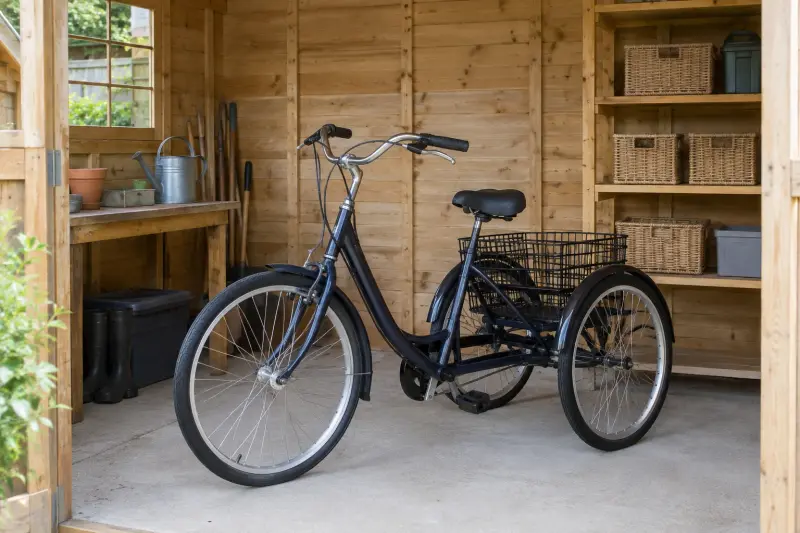
Before payment, repeat the exact configuration to the seller and retain a matching order record. At handover, check the identifiers and documentation, and ask about discrepancies before normal use. Seek local advice where a classification or rights question is material and unresolved. This article is a dated explanation of primary guidance and buying questions. It does not provide a legal certificate, establish medical suitability or promise that a linked overseas product can be used in the UK. A good choice has the necessary evidence, supported routine and room for the reader to decline.
MAKE THE SPEND MEANINGFUL
Before adding to the basket.
- Compare a locally documented configuration before importing an uncertain one.
- Resolve classification before buying riding accessories for an unconfirmed vehicle.
How this guide was prepared
AI-assisted editorial research, checked against the linked primary sources. Product testing and a credentialed individual review are not claimed.
source-checked editorial; no hands-on testing or expert suitability assessment claimed
How we use sources and AI assistance ↗Sources & fact checks
The guide separates sourced facts from editorial questions and examples. We have not claimed hands-on product testing. How we use sources and AI assistance.
- GOV.UK: electrically assisted pedal cycle rules ↗
- US Code: federal low-speed electric bicycle definition, 15 USC 2085 ↗
- nidirect: Northern Ireland EAPC guidance and type-approval information ↗
- Department for Transport: EAPC consultation outcome and its status ↗
Found an error or an outdated detail? Contact the editorial team.