
Bathroom details
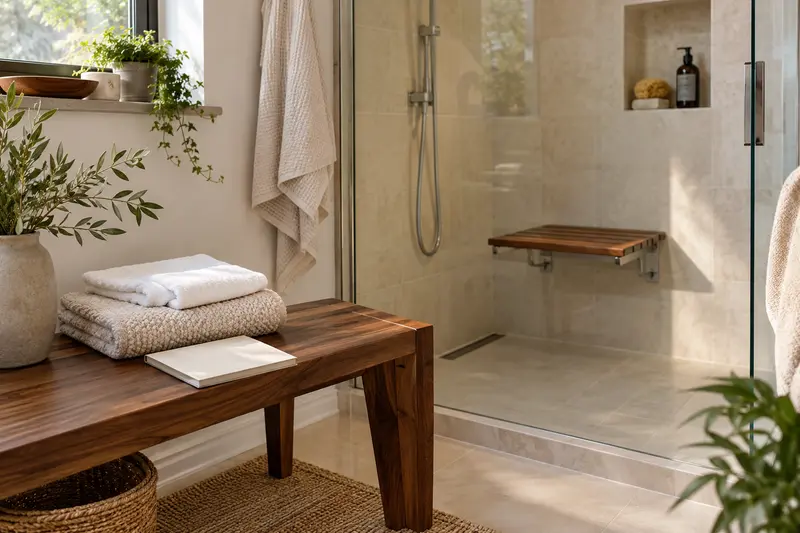
Choosing shower seating: fit the enclosure and the routine
A practical shower-seat comparison covering footprint, access, instructions and a useful preparation checklist.
Read the guideEveryday bathroom details
Practical guides to finding and organizing everyday bathroom items. Compare reach, mounting surfaces, cleaning and existing storage before adding an accessory.
Start with the buying details ↓ Continue with a useful guide
Bathroom details
A practical shower-seat comparison covering footprint, access, instructions and a useful preparation checklist.
Read the guide
Bathroom details
A reach-and-storage guide to useful shower caddies, surface fit and a restrained shopping list.
Read the guide
Bathroom details
Compare the seating format with the task: back and arm support, space, adjustment, storage and any wall fixing. A stool is not simply a cheaper chair, and a fitted seat is not automatically suitable because it frees floor space. Have personal support and transfer needs assessed before choosing.
Read the guide
Bathroom details
Measure the space the whole seat uses, including legs, supports and adjustment. Compare it with the enclosure, door movement, controls and approach. A dimensional match is an initial check, not approval of floor stability, transfer or personal suitability.
Read the guide
Bathroom details
A grab-rail decision needs both a personal placement assessment and an installation plan. Ask about the wall, approved fixing, exact product instructions and handover checks. A rail’s appearance or headline load figure does not establish the capacity of the completed installation.
Read the guide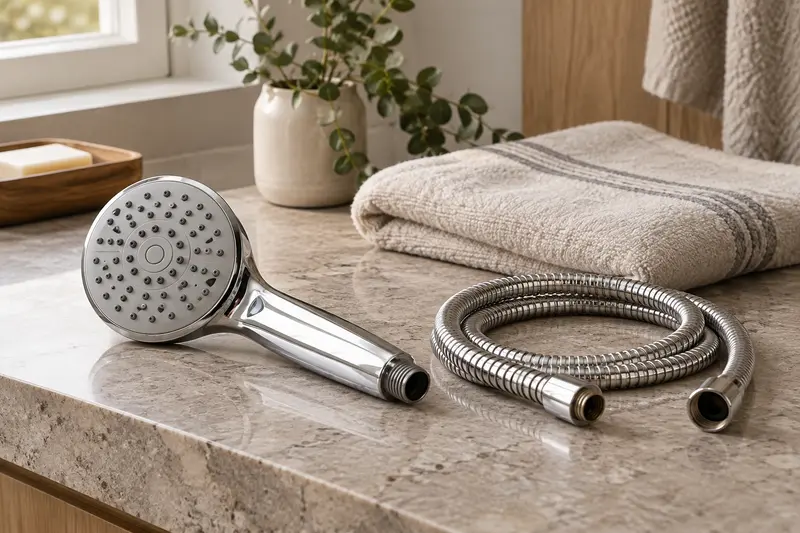
Bathroom details
Check the exact connection, compatible handset and bracket, required hose route and cleaning instructions. A longer hose may improve a particular reach task but can add a loop or obstruction. A slide bar or handset holder should not be assumed to function as a support rail.
Read the guide
Bathroom details
A mat inside the bath or shower has a different job from a floor mat outside it. Check intended use, permitted surface, dimensions, cleaning and how it stays in place. The phrase “non-slip” is not a guarantee for every floor or bathing surface.
Read the guide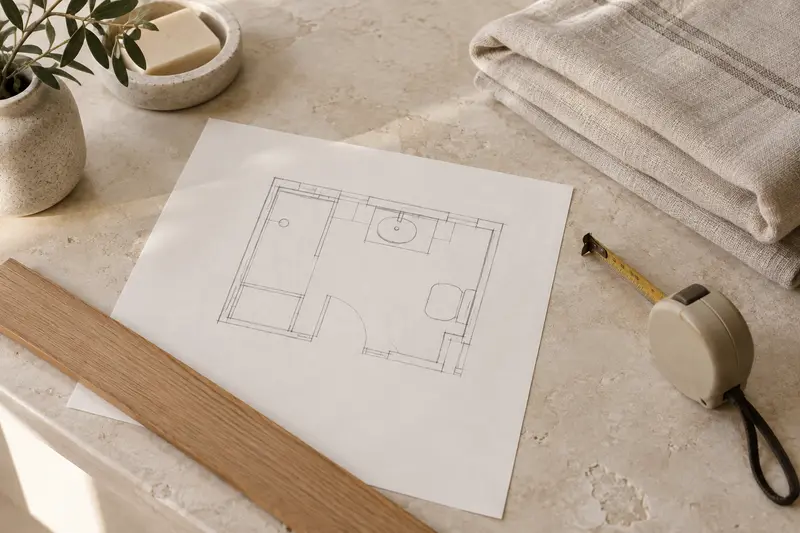
Bathroom details
Identify the exact toilet, fixing arrangement and personal support task before choosing a raised seat. Check the manufacturer’s compatibility limits and instructions. Added height is not automatically the right height, and arm supports or enclosed fittings can change the comparison.
Read the guide
Bathroom details
A bath board and a bath seat place the person differently and have different compatibility requirements. Start with the washing and transfer task, then check the bath edge, fixing, support and instructions. An online format comparison cannot select a safe transfer method for you.
Read the guide
Bathroom details
Plan the lighting around bathroom tasks and the route. Separate mirror work, washing, room access and nighttime use. Electrical suitability depends on location and local rules; ask a qualified electrician about the installation rather than bringing an ordinary lamp or extension lead into a wet area.
Read the guide
Bathroom details
Find the exact seat’s current care instructions and keep an inspection and parts record. Do not copy another model’s cleaning recipe or replace a foot with a similar-looking component. If damage or instability is suspected, stop using the questionable setup and ask the manufacturer or responsible provider for guidance.
Read the guide
Bathroom details
Start with the walking and washing route, then decide what needs storage. Use wall or cupboard space only where mounting, reach and care are suitable. Removing unused items can create more useful space than buying a taller organizer.
Read the guide
Bathroom details
Read the exact suction product’s permitted use before considering it. Some are balance aids that explicitly must not bear body weight. A suction attachment or green indicator should not be treated as equivalent to an assessed, properly installed fixed rail.
Read the guide
Bathroom details
Prepare a private task brief: what is difficult, when it happens, who helps and what you want to keep doing. Ask the service what the assessment covers and how equipment, installation and funding are handled. You do not need to publish medical details to use a planning worksheet.
Read the guide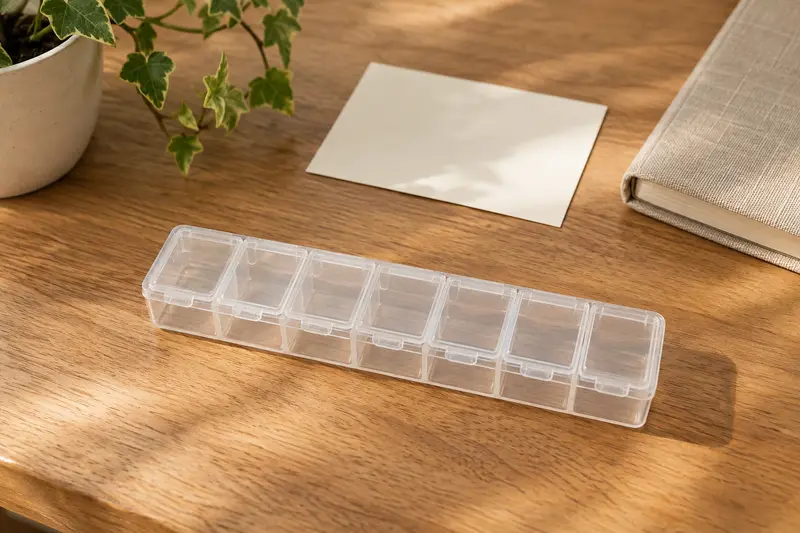
Bathroom details
Ask your pharmacist whether the exact medicines can be placed in an organizer before moving them from their original packaging. Then compare labels, compartments and opening with the intended user. An organizer is a storage aid, not a reason to change doses, schedules or prescribed instructions.
Read the guideExplore another topic
All guides ↗