
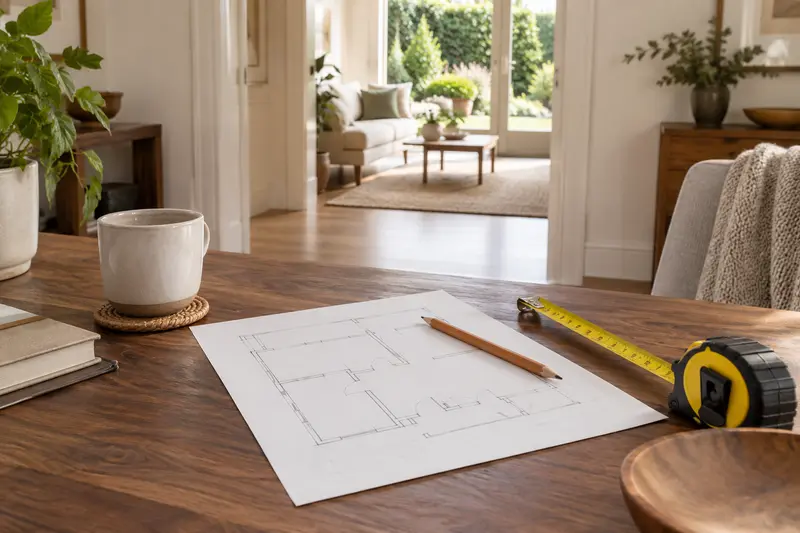
In brief
For an initial home-equipment enquiry, use an existing readable tape, paper and a simple route sketch if those serve the task. Name the endpoints and units for every observation. Separate a clear opening from the nominal door size, packed delivery dimensions from operating space, and household notes from the provider's final survey. A laser is optional and must be used under its own instructions; extra display digits do not establish fit or structural capacity.
Documented options
A clearer comparison.
Research options based on manufacturer documentation. These are not results of hands-on testing. Manufacturer links are informational; no commission relationship is currently active.
IN THIS GUIDE
Choose the question before measuring the room
Start with the provider's question. An initial enquiry might need the room containing the proposed equipment, the floors to be connected or a description of the delivery route. Ask which information it needs to arrange the right visit, and label your page initial household observations. The goal is to describe the request accurately. It is not to prepare construction drawings, approve a lift opening or establish that a product suits a person's movements.
Divide the request into arrival, position and use. Arrival concerns getting the supplied equipment to the room. Position concerns the proposed location among doors, walls and furniture. Use concerns the space required when equipment moves or people approach it. A compact item might raise a delivery question, while a larger room can still have an awkward approach. Keep these three questions separate so a generous wall length does not answer an unrelated narrow turn.
For a hypothetical recliner enquiry, a household can identify the intended position and describe the route from the entrance. It then asks the seller for the actual supplied delivery form and the manufacturer's operating-space information. A shipping carton, an assembled chair and a reclined chair are different states. Do not compare a carton dimension with a seating photograph and call the project settled. Record which state each quoted measurement describes before asking the provider about the route.
For a home-lift enquiry, show the rooms on both levels and where the household wants to approach the entrances. Use a simple paired-floor sketch rather than a polished single-room drawing. The provider needs to consider the offered configuration and building work. A household can identify visible furniture and a desired journey; it cannot identify hidden structural support by reading a tape. Leave opening design and construction responsibility with the relevant qualified people.
For a stairlift enquiry, describe whether the staircase is straight, changes direction or has an intermediate landing. Note doors and visible obstructions for the survey conversation. Stannah's US dimensions page separates nominal model/configuration dimensions and professional stair-survey work. Its information is not a reason to climb or take a critical measurement yourself. A reader who cannot obtain an ordinary observation comfortably can give the provider a description and request the relevant survey instead.
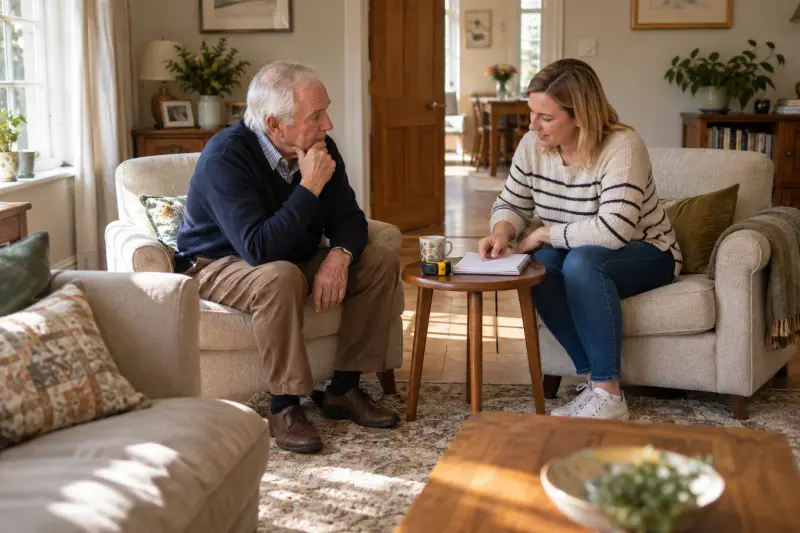
Write what you will not measure in this initial exercise. Concealed construction, electrical provisions, overhead spaces and equipment-specific technical clearances need the responsible professional's interpretation. Do not remove a panel, dismantle fixtures, climb or stretch into an uncertain position to make the page appear complete. An unknown can have a useful next action, such as provider to assess on visit. A guessed value without context is much harder for someone else to interpret.
Finish the brief with the exact requested outcome: information for an enquiry, a delivery discussion or booking a survey. Tell the provider if a photograph or simple sketch is easier for the household than more measurements. Agree its sharing route before sending private home material. A useful first enquiry can be short and incomplete in clearly identified places. Buying specialist tools should not become a prerequisite for asking a professional the question that actually matters.
Compare tools by markings, handling and the actual task
Compare units and readable markings before advertised length. Your provider might request millimetres while an existing tape shows centimetres and a seller's drawing uses inches. Check the actual selected variant rather than the general product photograph. A clearly read shorter tape may serve the ordinary observation better than a larger one with unfamiliar graduations. Ask the seller for the marking system if the listing is ambiguous, and follow the provider's requested reporting units without silently changing the original note.
Compare the mechanism separately from the scale. A retractable steel tape, flexible household measure and electronic distance tool can involve different handling. For a retractable candidate, check its documented lock, case and retraction arrangement; do not assume an automatic lock operates like the tool already at home. STANLEY's range contains different designs, including Control-lock and PowerLock names. Those names identify alternatives to investigate, not a result of this publisher testing grip, accuracy or ease for older adults.
Ask whether the ordinary task needs another person and whether that assistance is practical. Someone can help read or record a dimension without changing the work into a structural survey. Keep a readable pad nearby and agree the measurement name before obtaining it. If handling is difficult, stop and choose measuring help or the provider's visit rather than forcing the tool to justify a purchase. A large maximum reach claim does not prescribe a safe unsupported measurement in the household's room.
Inspect the available tool under its instructions before relying on it. If markings are unreadable, the mechanism is damaged or the end arrangement is unclear, ask the maker or choose an appropriate alternative. Do not repair or alter it for an equipment-order decision. The relevant question is whether the tool can produce an understandable initial observation, not whether it looks professional. Retain the exact model and instructions when buying, especially where similar listings have different scales or packages.
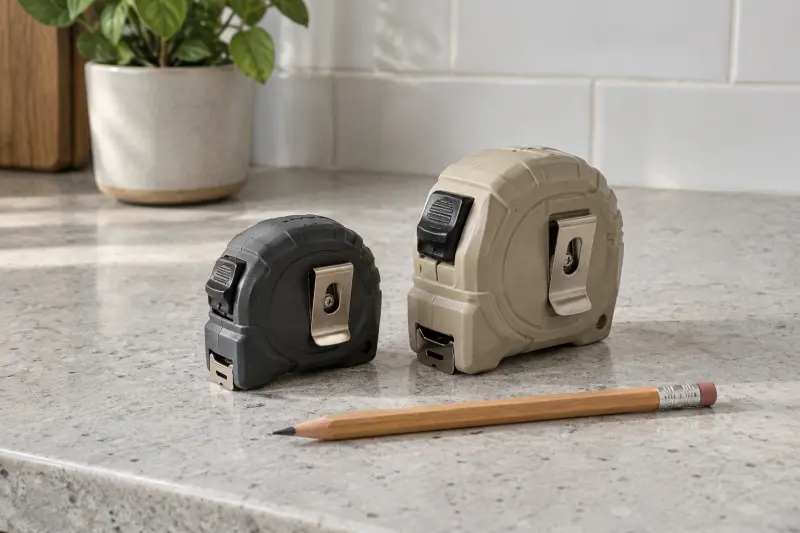
A laser measure has its own reference point, target requirements and warnings. The cited Bosch GLM 20 manual uses the tool's rear edge as its measuring reference and separately describes present and previous displayed readings. That model-specific example explains why a screen number needs context. Do not assume another electronic tool uses the same starting point. Read the applicable manual, identify which reading is being recorded and follow all supplied laser precautions before any use.
Electronic resolution and measurement reliability are different claims. Bosch's cited manual distinguishes the smallest displayed unit from qualified accuracy and describes conditions that affect results. Do not infer survey-grade certainty from extra digits, or treat a reading to glass or an unclear target as verified. It also warns against directing the beam at people or animals or viewing it directly or in reflection. An unfamiliar device should not be bought merely to reach a surface that remains inaccessible or uncertain.
Compare the complete accessory need only after these questions. An existing tape, borrowed suitable tool or arranged survey can be the better option. A laser introduces instructions, power and handling considerations; a larger kit introduces items the task may never use. If a modest tool purchase is justified, choose the documented variant with the needed units and readable operation. No live price, measured accuracy, stock promise or verified affiliate destination is supplied by the manufacturer reference here.
Record endpoints, units and the equipment state
Give every observation a name and two reference points. Opening between visible edges, external frame width and wall length between corners are different statements, even when all three are called width in a conversation. Put the start and finish on the sketch with matching labels. Note visible trim, handles or furniture rather than silently ignoring them. Ask the provider which clear dimension it needs; a household should not select the most favourable-looking endpoints to make a candidate fit.
Distinguish nominal door size from the observed clear opening with the door in the relevant position. The door leaf, frame and visible fittings can affect the passage being discussed. Record the condition of the observation, such as door open as shown in sketch A, without claiming that this establishes delivery access. A turn, handling method and packed equipment may introduce separate questions. Do not remove hinges, handrails or fittings to achieve a number before the responsible provider explains the supported project scope.
Keep units beside each value and retain the original observation. In a hypothetical conversion example, eighty-six centimetres is eight hundred and sixty millimetres. That is arithmetic, not a conclusion about what can pass through the opening. If a provider needs another unit, show the converted value on a separate labelled line and identify which is original. Do not mix a foot-and-inch notation with a decimal-foot reading, or round a close comparison silently to make it appear resolved.
When a value seems inconsistent, first check whether the observations describe the same endpoints, units and equipment state. A room observation taken before a cabinet is moved can differ from a later one without either person changing the product size. Retain both labelled records and ask which is relevant. Repeating a reading may reveal a discrepancy, but repeated household agreement does not establish technical tolerance or certify the instrument. Give the provider the uncertainty instead of reporting unsupported precision.
Keep catalogue dimensions attached to the exact item and state. Exterior equipment width, usable interior space, a packed carton and space during movement should occupy separate rows where relevant. For a hypothetical delivery enquiry, a seller supplies carton dimensions while the household has only checked the finished furniture position. The missing route question remains open. Ask whether the stated delivery form is actually the one supplied, and who assesses handling through the home's turns and entrances.
Use photographs to explain context, not to replace a critical measurement. Mark doorway A and turn B on the sketch, then use the same labels on relevant photographs. A picture can show an obstruction or unclear surface while leaving its dimension unanswered. Do not infer scale from the image or label it a professional survey. Avoid identifiable people, personal papers and unnecessary areas of the home; send only the material relevant to the agreed enquiry through the provider's verified channel.
Add the date and current room condition. Note an existing cabinet, door position or proposed furniture change if it explains the observation, and label a planned change as planned. The provider should not have to guess whether it already happened. If the route changes before delivery or survey, send the revised note and ask which answers need review. Keeping conditions visible is more useful than collecting a large number of unlabelled dimensions that nobody can relate to the actual request.
Match each unresolved dimension to the right survey
Use a confirmation column to identify the next responsible source. A seller can explain its supplied package; an installer can assess its equipment configuration; a relevant building professional can address construction; an appropriate assessor can address individual access tasks. These answers do not replace each other. A carton that fits an opening on paper does not establish supported handling, structural approval or the person's ability to use the equipment. Leave each unresolved question with its own evidence requirement.
For a home lift, keep the manufacturer's planning material and project-specific drawings distinct. Savaria's Vuelift planning guide is a product-specific reference, not a household permission to define an opening or modify the building. Ask the provider which current version and configuration apply and which professional produces the final installation information. Where a public document is unavailable or unclear, request it directly rather than borrowing a similar system's number. Record that dependency without inventing missing technical instructions.
For a stairlift, distinguish parked, folded and travelling arrangements. Stannah's US page labels its published dimensions nominal and explains that model and rail configuration affect the figures. A folded chair dimension does not represent every stage of travel or the space needed at a landing. The professional survey considers the relevant route and obstructions. Ask the provider to identify the states and drawings it uses for the offered configuration, rather than building a fit calculation from unrelated model rows.
Turning and approach questions need a route, not just one minimum width. A hypothetical room has a broad entrance followed by a tight change in direction near fixed furniture. The household sketches both and asks the provider how its proposed delivery or access arrangement is assessed. It does not invent a diagonal rule or conclude that moving one item solves every constraint. A straight opening observation and the full path answer different questions, so both remain visible in the enquiry.
Construction changes need their own status. If someone proposes altering a doorway, threshold or fixed fitting, mark it as a proposal until the relevant provider and professional review the work. Do not record the anticipated opening as existing space or shop for a wedge to compensate for an unresolved equipment requirement. Permission, structural work and individual access can involve separate decisions. The tape supports describing the present visible room, while the responsible people determine the actual design and approved scope.
If a professional measurement differs from an initial note, ask what reference point or condition explains the difference. Preserve the initial observation as a labelled earlier record and attach the provider's current answer separately. For a hypothetical doorway, one number describes the frame and another the usable passage in a specified state. Those are not competing accuracy claims until their meanings match. Obtain clarification before revising an order, and retain the drawing version the provider identifies as applicable.
Ask what happens when the model, route or installation scope changes. A different door orientation or delivery form may reopen a previously answered question. Obtain the updated relevant specification and drawing rather than treating confirmation for one version as permission for every alternative. Keep order acceptance and final professional evidence separate from the household's early observations. None of this guide's examples establishes building capacity, legal approval or suitable equipment for an individual reader.
Turn paper observations into a clear provider enquiry
A simple paper worksheet can have five fields for each dimension: purpose, observed value and units, endpoints, sketch or photo reference, and who confirms it. Mark uncertainty within the observation and date the page. Put the provider's final answer and applicable document version in a separate column. This ordinary note format requires no download, account or interactive tool. Its value is making the next question understandable while preserving the distinction between preparation and the order specification.
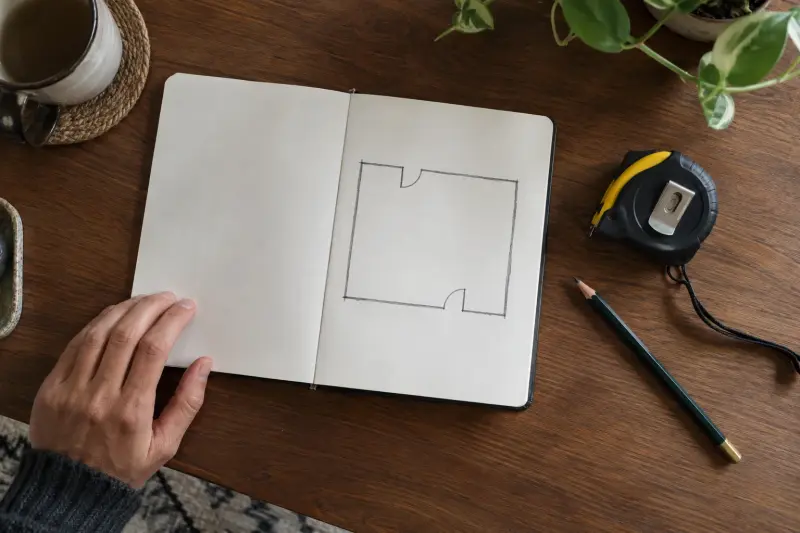
For a hypothetical enquiry, start with three rows: room position, entrance opening and the unclear turn before the room. The first two have labelled observations; the third says needs provider assessment. The household sends its simple sketch through the agreed channel and asks whether that is enough to book the visit. It does not delay contacting the provider while purchasing a laser or collecting unrelated heights. A clear unanswered row can be the most useful part of the first page.
Include a document question beside any equipment dimension. Which model and variant does it describe, which state is shown, and is it a general specification or this project's drawing? Ask the provider to identify the applicable answer. Keep a brochure, seller's packed-size response and approved installation drawing labelled separately rather than selecting the newest file without understanding its role. This prevents a later household helper from treating a convenient preliminary sketch as the final construction or delivery plan.
Close a discrepancy with a written clarification rather than an averaged number. If the seller's packaging information changes or two drawings show different arrangements, ask which applies to the actual order. State the unresolved row and the versions being compared. Do not choose the smaller figure because it suits the room or invent a tolerance. Retain the response beside the source documents so the corrected information remains understandable when someone returns to the decision later.
Before buying a measuring tool, match the exact item to the remaining task. Check units, markings, supplied instructions and the retailer's current terms. If an existing tool works, the no-purchase option remains preferable to an unnecessary bundle. If the observation cannot be obtained appropriately, measuring help or the provider's survey is a useful next step. Neither more equipment nor a completed-looking worksheet can replace the professional evidence the actual order requires.
Keep approved records after the conversation. File the accepted configuration, current provider drawing and relevant written clarifications separately from the initial household sheet. Update the private index when an agreed change affects the route or equipment state. A helper should be able to find the applicable answer without searching unrelated home photographs or personal correspondence. Do not publish equipment identifiers, layouts or private order details in comments merely to ask whether a generic product appears suitable.
The useful outcome is a proportionate preparation routine: identify the question, use an appropriate existing or modest tool, record context, and route unresolved matters to the right provider. A borrowed tape, assistance, a professional visit or no purchase can each serve that purpose. Stop the household exercise where safe ordinary observation ends. A buying guide should reduce confused enquiries and unnecessary accessories, while keeping every final installation and personal-suitability decision with its appropriate evidence and responsibility.
MAKE THE SPEND MEANINGFUL
Before adding to the basket.
- Reuse a suitable existing tape measure, paper and pencil.
- Borrow an appropriate tool or obtain measuring help instead of buying a large tool bundle for a single project.
How this guide was prepared
AI-assisted editorial research, checked against the linked primary sources. Product testing and a credentialed individual review are not claimed.
AI-assisted, source-checked editorial; no hands-on test, human expert review or personal suitability assessment claimed
How we use sources and AI assistance ↗Sources & fact checks
The guide separates sourced facts from editorial questions and examples. We have not claimed hands-on product testing. How we use sources and AI assistance.
- Stannah: model-specific stairlift dimensions ↗
- STANLEY: tape-measure models ↗
- Bosch: GLM 20 manual, reference point, display, accuracy conditions and laser precautions ↗
- Savaria: Vuelift planning guide ↗
Found an error or an outdated detail? Contact the editorial team.