
In brief
Ask for the packaged dimensions and delivery handling requirements, then review the entire route from vehicle access to the bedroom. An assembled bed measurement does not establish that the package can negotiate stairs or turns. Confirm room placement, assembly and access-failure terms in writing before payment.
IN THIS GUIDE
Draw the delivery route as a sequence
Ask who reviews the access information and how the response becomes part of the booking. Sending a sketch to a salesperson is not the same as receiving the delivery provider's route answer. Identify the party responsible for checking the specified packages and ask what remains unresolved. A household record should distinguish information supplied, review requested and an actual response, so a booked date is not mistaken for route approval.
Compare dimensions for the exact delivery format rather than selecting the smallest numbers from several listings. A product page may show assembled width while a retailer quotes a different packed component. Ask which unit, packaging and handling stage the delivery team will use. If the quote changes from one piece to another configuration, request the new specification before treating the earlier route review as applicable. Geometry alone cannot settle lifting responsibility.
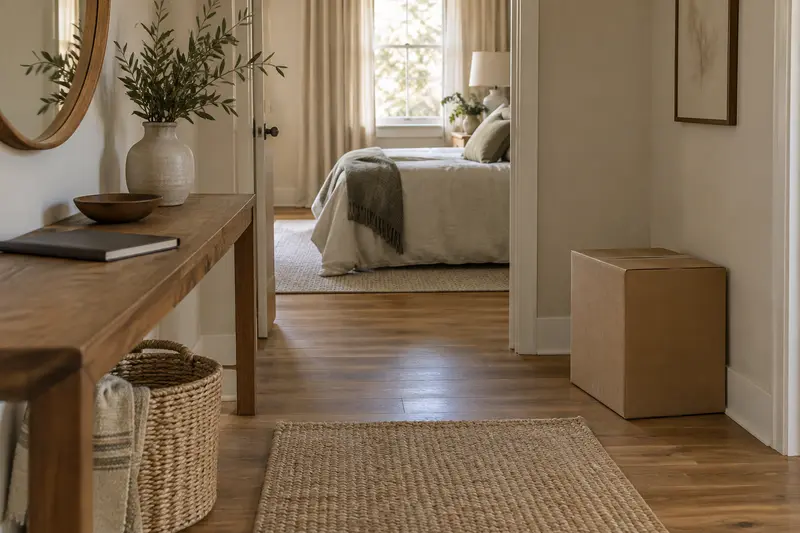
Treat the route as a chain of spaces rather than one front-door measurement. A package may fit through the entrance but still meet a stair turn, ceiling projection or bedroom approach the team must assess. Write the route in sequence and number any private photographs consistently. State which measurements are household observations and which dimensions come from the supplier. The delivery team needs to review the real handling question; this guide does not calculate a universal passable doorway from carton width.
Ask for the exact packed specification before providing the route. The ordered base may arrive as one assembly, several components or a permitted split arrangement. Name each component rather than assuming that a split sleeping surface means every delivered part is small. Request handling orientation and whether any unboxing stage is supported by the team. A product's assembled sleeping dimensions are not a substitute for packaging dimensions, weight or safe handling requirements.
For a hypothetical home, the hallway permits a straight approach but a fixed handrail reduces the next turn. A household note that the door is wide enough leaves that issue unanswered. The buyer supplies the team's requested route information and marks the turn for review. They do not remove a rail, arrange unapproved lifting or ask family members to carry a powered component to make the booking work. A confirmed alternative belongs in the supplier's actual access plan and any necessary property permissions.
Include relevant fixed features without assuming they can be changed: doors, stair furniture, ceiling slopes and built-in storage. If an obstruction can lawfully and appropriately be moved, ask who is responsible and when. The article does not instruct structural alteration or property disassembly. Tenants and shared-building residents may need the proper permission for access arrangements; a sales quote does not replace that. Keep private route images and property details out of public comparison tools.

The first useful outcome is a documented route enquiry with the packed specification attached. If essential information is unavailable, leave access unresolved rather than converting an optimistic estimate into delivery approval.
Define what room delivery actually includes
Separate a dispatch estimate, an arrival appointment and the point at which the agreed setup is complete. They answer different scheduling questions. In a fictional order, the cartons are available before the installer appointment; the household asks what is included and which existing arrangement remains available meanwhile. A ready-to-ship label should not be treated as confirmation that the completed bed can serve an essential routine on that same date.
If the household owns a mattress supplied by another seller, ask whether the delivery team will handle it as part of the agreed setup and what confirmation it needs first. A service description for a mattress and base bought together may not answer that case. Keep ownership, compatibility and handling scope distinct. Do not assume a family member must move a heavy item to complete a base-only offer whose responsibilities were never explained.
Break the delivery phrase into actual services. Room placement, unpacking, assembly, permitted setting, demonstration and waste removal are distinct tasks. Ask which are included for the precise order and address and which have separate conditions. A premium-sounding service name is not a complete scope. Where several firms are involved, record the responsible party for each step so a missing component or disputed task has an identified contact.
Saatva's cited help page describes its own base and mattress being delivered and set up together when ordered together. Its older update date makes current order confirmation especially useful. A second retailer's white-glove label does not inherit that same arrangement. Confirm the actual booking process, included setup and relevant address restrictions. If the mattress and base come from separate sellers, ask how their arrival and installation will be coordinated without leaving the household's essential sleeping arrangement dependent on an unconfirmed promise.
A hypothetical purchase includes base delivery and assembly but the buyer assumes old furniture collection is also included. At booking, the team identifies a separate service with its own limitations. Writing it down before arrival lets the household plan appropriately. Another quote includes packaging removal but not disposal of an old mattress from a different retailer. The issue is scope, not whether the overall delivery service is good. Ask about the actual items and conditions instead of relying on a broad premium label.
Record the installation setting, compatible mattress and approved accessories in the same scope. Ask who explains the controls, where the correct manual is supplied and what happens if a needed part is absent. A setup appointment should have a clear handover responsibility; merely placing cartons in the room does not establish that the agreed configuration is complete. Do not encourage the household to finish unfamiliar technical assembly because an appointment ran short.
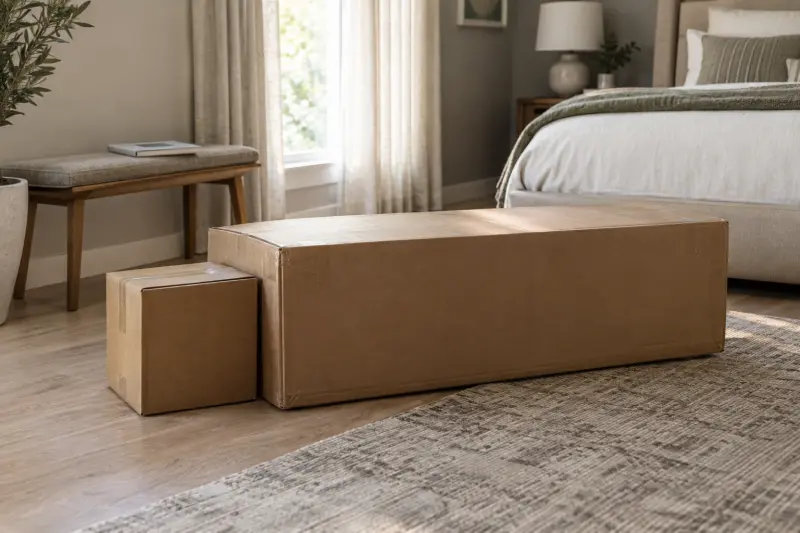
Editorial illustration Keep optional conveniences separate from essential delivery work. Packaging removal may be useful, but it cannot settle an uncertain stair turn. Extra furniture services should be chosen for an actual need and confirmed scope, rather than bundled to make an unresolved route look complete.
Use an access example to find missing information
For a fictional route comparison, Offer A's packed format has been reviewed for the property, while Offer B names only assembled sleeping dimensions. B is not established as equally deliverable even if the base looks narrower online. Request its actual carton and handling information rather than ranking the offers from one door measurement. The useful comparison is between provider-reviewed formats, with unknown access still visible in the quote.
Ask whether a proposed alternative requires another service or permission before treating it as an available option. A delivery company might need its own assessment of a different entrance or appointment arrangement. Record who accepts the route and what remains the property's responsibility. The buyer should not turn a tentative suggestion into instructions for removing a rail or staging a hoist. A new route is a changed scope that needs its own answer.
The route example is valuable because it reveals missing evidence. An entrance-width subtraction addresses one straight dimension, while a turn involves package length, depth, orientation and surrounding space. The team also needs a suitable handling plan. An online drawing cannot determine every physical or occupational requirement. Ask the supplier which route details and review process it needs, and identify the unresolved point clearly rather than offering your own geometric approval.
For another hypothetical route, two separate base components may pass the entrance individually but their assembled configuration still needs space in the room. The buyer asks about assembly and installation conditions, not simply delivery into the doorway. A component's permitted handling orientation may affect the plan. Do not assume that rotating or unboxing it at an arbitrary stage is acceptable. The supplier's supported approach should be written into the appointment record.
Discuss alternatives as enquiries, not rescue instructions. A different delivery route, maker-supported component arrangement or another suitable configuration might change access. Each needs assessment and any required property permissions. A window, balcony or hoist is not automatically part of a standard room-delivery service. The household should not be pressured to authorize an improvised operation on the day because the order has arrived. An unresolved route can justify pausing the purchase or selecting another properly reviewed option.
Consider temporary arrangements without prematurely dismantling the old bed. Ask how the supplier manages scheduling, missing components and an access refusal. A household whose sleeping or care arrangement is essential may need appropriate professional input on contingency planning. This article cannot prescribe that plan. It can highlight the dependency: the old arrangement should not be removed merely because a sales estimate sounded certain when the actual delivery and setup sequence remains unconfirmed.
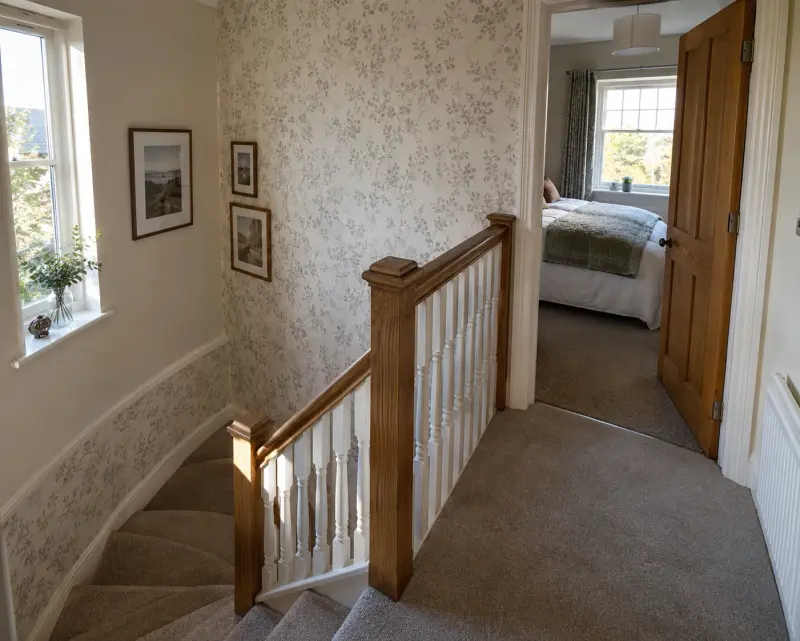
Save the route review and accepted assumptions with the order. If the access route changes, notify the team before the appointment. A new fixed obstruction or different package specification can invalidate an earlier review even when the bedroom destination is unchanged.
Resolve failed-access terms before checkout
Distinguish a route declined before dispatch from an unsuccessful attempt after arrival. Ask how the seller handles each event under the actual order, and whether the response changes when delivered packaging differs from the accepted specification. Do not presume a particular fee, refund or legal result. The factual timing and agreed assumptions make the enquiry clearer than a broad question about whether the store accepts returns.
Ask what evidence the seller wants if an access concern is disputed: the dated specification, route response, appointment record or another appropriate item. Preserve the original messages privately rather than reconstructing them from memory after delivery. A photograph can show an observation but cannot decide contractual responsibility. Seek relevant consumer advice for a disputed transaction, with actual charges and rights assessed separately from the team's handling decision.
Ask about failed access as its own circumstance. It differs from changing your mind after successful setup, returning a preferred mattress under a voluntary trial, or reporting a fault. The seller should explain what happens when its team declines the reviewed route, including the order status, collection responsibility and any applicable charges. Do not borrow a return policy from another component or assume that an older help page overrides current transaction terms.
The cited Saatva pages illustrate this distinction: one older page addresses a base that cannot fit, while newer exchange guidance treats adjustable bases differently from mattresses. The article does not turn the older access response into a general return guarantee or quote an old fee as current. Ask the retailer how these circumstances are handled for the actual order and retain the answer. If terms appear inconsistent, obtain clarification before checkout and appropriate consumer advice where rights are disputed.
For a hypothetical order, the seller approves a route based on specified cartons, but the delivered packaging differs. The buyer records the discrepancy and asks the responsible team to explain how access and the order are handled. Another order has never received a route review. Those histories may matter to the enquiry, but this guide does not determine the legal result. Keep factual documentation rather than promising that every unsuccessful attempt automatically produces the same refund.
Record how a cancellation or support request must be made, who receives it and what confirmation is provided. Save the offer terms, package specification, route correspondence and booking privately. A receipt or address should not be uploaded to a public website comment. Check the local consumer-rights guidance for the actual jurisdiction; a US retailer example is not a worldwide rule. Where the transaction is significant and a material question remains unanswered, pause rather than relying on a verbal reassurance.

A useful comparison places confirmed access and scope ahead of optional installation extras. The right next step may be another reviewed configuration or retaining the existing bed while an essential question is resolved. Buying additional accessories does not compensate for a delivery route that has not been accepted.
Plan the appointment without creating unnecessary dependencies
Build a short sequence around confirmed responsibilities: booking, route review, arrival, agreed setup, explanation and any specified removal. Add the contact for a delayed component or changed appointment. This is an order-management record, not an instruction to carry or assemble a bed. The team should identify which preparatory tasks are appropriate for the household and which remain its own responsibility.
A hypothetical mattress and base order has one supplier but two uncertain dispatch estimates. Before arranging old-bed disposal, the buyer asks whether the setup appointment is coordinated and what happens if one component is missing. Another purchase has two sellers, making the dependency explicit. A written sequence helps avoid a room full of cartons with no confirmed installation responsibility. It also makes it easier to postpone optional decorative deliveries until the essential configuration is actually understood.
Ask about the booking window and communication route without publishing private telephone numbers or account references. Clarify what the supplier needs to know about the property and who can explain a relevant access issue at arrival. A family member helping with administration can keep notes, but their presence does not substitute for the delivery team's route assessment or an installer’s technical responsibility. Avoid asking them to undertake unfamiliar lifting to preserve a schedule.
Keep the room plan limited to confirmed tasks. If ordinary movable furniture must be cleared under the supplier's instructions, arrange appropriate help rather than turning the guide into a physical preparation test. Fixed features and any property changes need the responsible permissions and professional approach. Ask the installer about the agreed location, supported setting and demonstration before the old arrangement is removed. Personal access or care needs may require separate advice.
The sequence is complete when the reader knows what is supposed to happen, who answers a change and which essential dependencies remain open. There is no need to buy a delivery-upgrade bundle unless its actual included services address one of those needs. A premium purchase experience comes from clear responsibility and respectful communication, not a label alone.
Keep a delivery record that helps with later support
At handover, compare the supplied model, mattress and agreed setup with the order documentation through the installer’s appropriate process. Ask for the correct owner instructions and an explanation of ordinary controls and supported emergency information. If something differs, record the factual discrepancy privately and ask the responsible contact to resolve it. The article has not inspected the equipment and does not certify an installation from a completed checklist.

A hypothetical buyer ordered a particular leg setting and compatible mattress depth, but the paperwork does not identify the delivered setting. They ask the installer for the actual configuration and retain that response. Another buyer sees a missing accessory on the packing record. Neither problem should be hidden beneath a general delivery completed statement. Exact details help a later service enquiry and avoid confusing an order discrepancy with a preference return.
Keep the booking, route review, receipt, model-specific manual and setup explanation together. Add any unresolved issue and its case reference. A private file can preserve identifying details without putting them in public images or web content. If the model changes during an agreed substitution, obtain the new documentation and revisit affected compatibility, control and access questions. A similar name does not guarantee that every earlier answer remains applicable.
Later furniture changes should refer back to the exact installed arrangement and maker's movement precautions. Delivery success alone does not approve every nearby organizer or new mattress. Ask about proposed changes through the relevant supplier or maker. If the current documented equipment serves the task, optional additions can wait until there is a clear purpose. The most useful sale is a properly defined order, not an inflated accessory list used to make the installation feel finished.
This guide supports planning and evidence gathering. It offers no lifting procedure, structural approval or personal access assessment. An accepted route, explicit service scope, clear failure terms and useful handover record give the reader a more reliable basis for the purchase while leaving room to pause when one of those essentials is unresolved.
MAKE THE SPEND MEANINGFUL
Before adding to the basket.
- Use the existing room arrangement when access is confirmed.
- Compare a compatible configuration with a simpler documented delivery route.
How this guide was prepared
AI-assisted editorial research, checked against the linked primary sources. Product testing and a credentialed individual review are not claimed.
source-checked editorial; no hands-on testing or expert suitability assessment claimed
How we use sources and AI assistance ↗Sources & fact checks
The guide separates sourced facts from editorial questions and examples. We have not claimed hands-on product testing. How we use sources and AI assistance.
- Saatva: delivery and setup when base and mattress are ordered together ↗
- Saatva: older failed-access delivery guidance, requiring order confirmation ↗
- Saatva: different exchange and trial terms by product category ↗
Found an error or an outdated detail? Contact the editorial team.