

In brief
Use the mattress and base model names, dimensions and instructions to request compatibility confirmation from both makers. A material label such as foam or hybrid is not enough. Clarify permitted movement, support and warranty requirements before deciding whether you can reuse a mattress or need a different complete arrangement.
IN THIS GUIDE
Identify the mattress you actually own
Separate three kinds of evidence: a receipt can show what was ordered, a maker's label can identify what is present, and a compatibility document can state permitted use. None automatically substitutes for the others. If the receipt names one version and the mattress label another, ask the seller or maker to resolve the mismatch before requesting approval. A website photograph of the nearest current model cannot close that identity gap.
Use supplied measurements with their meaning intact. A nominal mattress depth in a model specification, a household edge measurement and the top of an installed bed are different records. Ask which is needed to identify the variant and which describes the complete setup. Do not press or bend a mattress to manufacture a compatibility answer. If dimensions or model information conflict, send the documented discrepancy to the maker rather than choosing the number that suits the planned base.
Look for the exact item in the purchase record, sewn-in label or maker's documentation using an appropriate method. Record the model, version, dimensions and stated height. A familiar brand can sell several constructions and versions under similar names. Keep the size name beside the actual measurements, especially when the mattress or base is from another market. A US and UK label need not mean the same dimensions. The enquiry should describe the mattress that will be used, not the nearest current product in a search result.
Include the layers the household intends to keep. A topper, protector or separate support arrangement can introduce another question for the relevant maker. Do not assume a top layer can be ignored because the mattress beneath it appears on a compatibility list. Ask which complete arrangement is permitted and what the instructions require. Keep personal comfort preferences in a separate note. Liking the feel of the present mattress is relevant to reuse, but it does not establish how that exact mattress may be supported or moved.
For a hypothetical existing mattress, the buyer has a receipt naming the family but not the height version. A product page lists two heights, and only one is mentioned in the adjustable-base guidance. The next step is identifying the actual item with the maker's help. Do not select the favourable version by appearance or bend the mattress to see whether it seems flexible. A visual impression is not the missing documentary answer. If identification cannot be resolved, keep the reuse decision open and discuss a documented alternative.
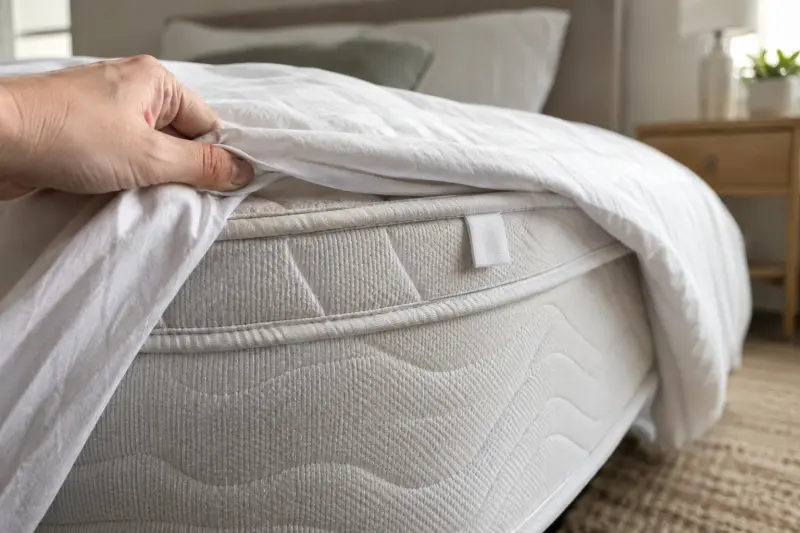
Ask whether a changed or older model needs a different reference from the current website. Save the relevant dated answer privately with the receipt. This record is particularly useful when a retailer's page has changed since purchase. Avoid publishing personal order identifiers in a public comment or planning form. The article can explain what to ask, but it cannot identify every undocumented mattress or certify its current condition. Exact identity is the starting point for a useful compatibility conversation, not a guarantee that reuse will be approved.
Make the first enquiry concise: identify the owned mattress, identify the proposed base and describe the complete arrangement. Attach the relevant dimensions and permitted layers, then ask which document supports the answer. This is more effective than sending a long list of unrelated product links. If the response answers only the brand or general material, repeat the exact model question and leave the unresolved row visible until a useful clarification arrives.
Request confirmation in both directions
Check a compatibility list for its scope as well as the product name. Does it identify the mattress version, the intended base or merely adjustable use in general? Saatva's February 2025 list is a useful named example, while its separate Classic page explains the height limitation. An older document can remain relevant, but ask which applies to the actual item. Do not assume a newly updated retail listing expands an earlier approval.
Ask the base provider to define the support arrangement it is quoting before sending it to the mattress maker. Platform support, a base on its own legs and any specified retainer are distinct parts of the enquiry. The relevant maker decides what is permitted. If the response covers flexibility but not the proposed support, retain that narrower answer and request the missing confirmation; do not describe a partial response as whole-bed approval.
Send the mattress details to the base maker and the proposed base details to the mattress maker. The two questions concern a complete combination, not merely whether both products are advertised as adjustable. Ask about dimensions, permitted support, movement, retainers and any relevant restrictions. Keep each response beside its source and date. If one provider gives a generic answer, request clarification for the actual model and height. An unresolved response remains visible rather than becoming an assumed yes.
Saatva's list restricts its Classic example to the 11.5-inch version. Its Classic help page says the 14.5-inch version lacks the flexibility required for adjustable bases. That difference concerns two versions of one named mattress, so a general innerspring label cannot decide compatibility. The list also directs non-Saatva owners to their own maker. Use the relevant exact-item response without turning this example into a universal construction chart or a reason to replace an approved mattress.

For a hypothetical mixed-brand order, the base seller says the size should fit while the mattress maker has not addressed moving support. The footprint answer is useful but incomplete. Ask the base provider to identify the exact support arrangement and send it to the mattress maker. If the two providers refer the question to each other, request a coordinated clarification or compare a documented complete system. Do not resolve the gap by relying on a retailer's general statement that most mattresses work.
Written confirmation should describe the intended setup clearly enough to recognize it at handover. A mattress-size name alone may omit the version, height or split pattern. Ask the supplier to list the components and permitted arrangement on the proposal. Keep a showroom comfort demonstration separate from these equipment answers. This publisher has not tested mattress bending, base movement or support. The evidence record helps the household obtain the correct documents and recognize when a purchase still contains a question nobody has answered.
Separate fit from the complete arrangement
Keep original units beside conversions when comparing footprints. In a fictional enquiry, one maker supplies centimetres and the other inches; the buyer converts consistently and retains both source figures. A rounded online size name is not the missing equipment approval. Ask about any stated dimensional tolerance or variant difference rather than forcing two unlike records to match. Arithmetic can reveal a discrepancy, but it cannot establish the permitted mattress movement or support.
Ask what the quoted retaining arrangement includes. Is a required component supplied with the base, separately ordered, or handled during the provider's setup? Ask whether it applies to the actual mattress dimensions and split pattern. A part appearing in another size's illustration is not evidence it is included in yours. Keep its identity and fitting responsibility on the offer; do not improvise straps or remove instructed parts to compensate for an unanswered supply question.
Break the complete-bed comparison into independent rows. Footprint, mattress identity, support arrangement, movement, layer configuration and retaining components answer different questions. A numerical size match may settle the first while leaving the others open. The same approach applies to a decorative frame around the base: its fit is not mattress approval. Avoid treating a photograph of a mattress on a raised bed as evidence that a different combination will work under the exact instructions.
A hypothetical mattress and base both have a stated footprint of one hundred and fifty by two hundred centimetres. The buyer can record that match without making a flexibility claim. They then ask the relevant makers about support and permitted movement for the exact items. If a topper is proposed, it receives its own question. If a retainer is required, its identity and use should come from the base instructions. There is no reason to improvise a strap or remove an instructed component merely because the rectangle appears to fit.
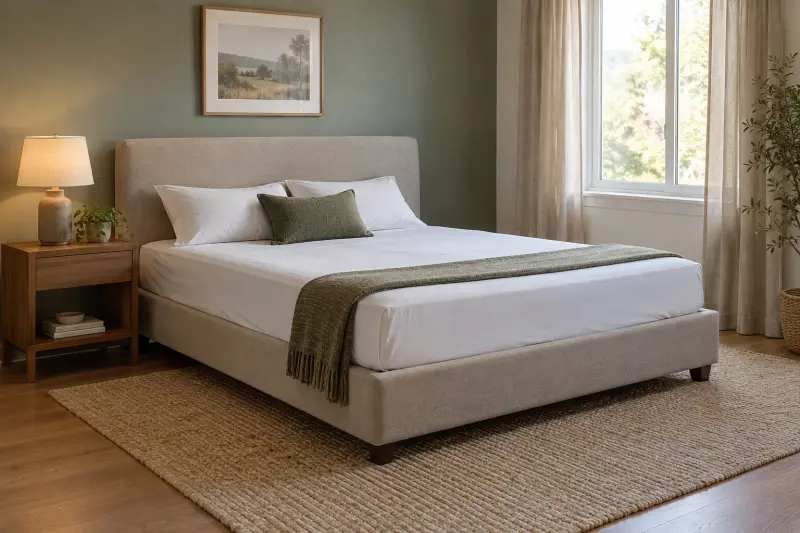
Height deserves another row. The finished bed includes the approved base arrangement, mattress and any permitted layer. A new mattress of different height changes the complete setup and may affect bedding or other ordinary tasks. This guide does not prescribe a clinical bed height or determine transfer suitability. Ask the installer about the actual installed dimensions and seek appropriate professional advice where access or care needs are involved. A thicker mattress is a different configuration, not automatically a more premium or more suitable one.
Check split patterns precisely. One full-width mattress, two separate mattresses and a partially split design can require different base and bedding arrangements. Ask which moving surfaces the chosen mattress is intended to serve. A split label should not be inferred from a stock image or a bundle title. Keep the component list explicit and use the exact instructions for any synchronization or control arrangement. Do not connect or alter powered components from a generic comparison article to make an uncertain mattress combination move as desired.
Use a two-manufacturer compatibility card
Reconcile responses by question rather than by the number of favourable replies. For a fictional mixed-brand enquiry, the mattress maker confirms a named support while the base seller quotes another arrangement. Both messages can sound positive but do not describe the same proposal. Send the difference back for clarification. Keep each original response alongside the corrected scope so a later substitution does not accidentally inherit an answer for the discarded configuration.
If a used mattress is being considered, equipment approval and current condition need separate enquiries. A historic compatible-model listing cannot inspect wear, damage or undocumented changes. Ask the relevant maker or appropriate provider how the actual item should be assessed and which purchase terms apply. This guide supplies no lifespan, inspection certificate or universal replacement interval. A low acquisition price does not make an unidentified item equivalent to a documented alternative.
The compatibility card should have two identity fields and two confirmation fields, followed by the exact permitted configuration. Add dimensions, height, intended layers and any restrictions. Include links or offline copies of the relevant instructions and note who will install the setup. Use statuses such as identified, confirmed by the relevant maker, awaiting clarification and unresolved. The card is a record for a buying decision, not a certification issued by this website or a score that determines personal suitability.
Ask for order-specific clarity before deciding whether a mattress needs replacement. If the existing item is confirmed for the proposed arrangement, reuse may avoid unnecessary spending. If it is not confirmed, compare documented alternatives rather than buying an entire premium bundle automatically. A seller may package a mattress and base with several accessories; each accessory should have a purpose and the applicable instructions. More pieces do not make the compatibility question disappear.

For a hypothetical final shortlist, option A reuses an identified mattress on a maker-confirmed base arrangement. Option B includes a new mattress and an explained complete system. The buyer compares the intended feel, total delivered scope and separate terms once both equipment questions are resolved. If option A remains undocumented, it should not be described as the cheap equivalent of B. If the existing mattress is approved and meets the household's preference, buying a replacement is not a requirement simply because the base is new.
At handover, check the delivered base, mattress and components against the card and written order. Ask the installer about discrepancies before relying on the earlier answer. Keep the record private and review it after any relevant replacement. This guide organizes equipment and purchasing questions; it does not promise better sleep, pain relief or a medical outcome. A considered choice can retain an approved existing mattress, choose a documented replacement or postpone a base order while the important combination remains unresolved.
Separate the reason for replacement from compatibility
Ask why a new mattress is being considered. The answer might be an unresolved equipment combination, a changed personal preference or a condition question requiring appropriate advice. Keep those reasons distinct. A mattress can be documented for a base while the owner no longer likes its feel. Another can feel familiar but have no confirmed approval for the proposed movement. Neither observation should be used to answer the other question. This distinction helps prevent a technical uncertainty from becoming a general claim that every existing mattress must be replaced.
Do not use age alone to issue a universal replacement instruction. Ask the maker about the actual item and any applicable support or care guidance. This publisher has not inspected the mattress or assessed the person. If health, posture or care needs are part of the decision, seek the relevant professional advice instead of interpreting a comfort preference as a treatment recommendation. Keep personal information within that discussion and out of a public comparison tool.
For a fictional replacement comparison, Mattress A is confirmed for the base but has a different nominal depth from the existing item. Mattress B has the preferred feel in a supported demonstration but no exact-base answer yet. The shopper requests the height and bedding implications for A and the missing equipment confirmation for B. Neither one positive field settles the whole choice. This keeps a technical replacement reason separate from a preference upgrade and its actual complete cost.
Once the technical question is answered, compare any replacement's permitted inspection, return and warranty terms independently. A comfort trial for a mattress should not be assumed to cover its adjustable base or every accessory. Ask what the exact order includes and which terms apply to each part. Keep the written answers before payment. A useful guide leaves room to retain, replace or wait, with the reason for each decision explained rather than treating a new base as an automatic trigger for a full bedroom purchase.
Preserve the complete combination through delivery and later changes
A compatibility answer needs to survive the ordering process. Put the exact mattress, base, size, height and required components on the written offer. If the seller changes a version, accessory or configuration for delivery, ask whether the earlier confirmation still applies. A shared family name or similar fabric cover does not erase the change. Keep the updated answer with the order rather than relying on an explanation that was given for a different arrangement.
Ask who checks and explains the installed setup. Delivery, assembly and operating handover are different services. Clarify what the provider will do and what preparation the household must make. Do not move an undocumented existing mattress onto the powered base as a trial to see whether it bends. The exact instructions and confirmed combination should precede normal use. Any individual access or care question needs its appropriate assessment in addition to equipment documentation.
For a hypothetical later change, a household adds a thicker permitted topper after the original mattress-base confirmation. It returns to the relevant makers with the new layer information and reviews bedding, retainers and finished height as needed. It does not assume the original answer covered every future accessory. Similarly, replacing one mattress in a split system deserves confirmation for the actual complete arrangement. A good record makes these change questions easier to identify without supplying an improvised solution.
Keep manuals, receipts and dated confirmations accessible privately for future support. Seek the maker or installer when operation, fit or an obstruction is uncertain; do not modify parts to protect a purchase already made. This article has not tested a combination or determined its suitability for a particular sleeper. Its value is helping the reader obtain a coherent complete answer, compare a proportionate purchase and recognize when another question or another arrangement is needed before spending.
MAKE THE SPEND MEANINGFUL
Before adding to the basket.
- Reuse an existing mattress only when the actual combination is approved.
- Compare a compatible base without adding an unnecessary mattress bundle.
How this guide was prepared
AI-assisted editorial research, checked against the linked primary sources. Product testing and a credentialed individual review are not claimed.
source-checked editorial; no hands-on testing or expert suitability assessment claimed
How we use sources and AI assistance ↗Sources & fact checks
The guide separates sourced facts from editorial questions and examples. We have not claimed hands-on product testing. How we use sources and AI assistance.
- Saatva: exact mattress compatibility with adjustable bases ↗
- Saatva Classic: 11.5-inch compatibility and explicit 14.5-inch flexibility exclusion ↗
Found an error or an outdated detail? Contact the editorial team.