

In brief
Choose the arrangement around the positions each person wants, the compatible mattress configuration and the household routine. Independent movement is only useful when the complete setup supports it. Compare bedding, controls, final height and delivery as well as the base label; do not infer a health or relationship benefit.
IN THIS GUIDE
Give each person a simple preference column
Separate the reason for independent positions from the reason for a large bed. A household can want more sleeping width while expecting shared movement, or want different raised positions without treating width as the main issue. Those are different shopping questions. Ask each person which task is required and which is a preference; do not let a retailer's premium split label decide the order before the actual arrangement is described.
Consider which ordinary routine would change if the bed moved together. In a fictional pair, both read raised in the evening but one later wants flat while the other continues reading. The important comparison is that later difference, not a photograph of two people in the same position. Ask the provider how the documented mattress and base configuration serves it, without treating the observation as a relationship or health assessment.
Describe positions as ordinary preferences before choosing a hardware format. Each person can write what they want to do in bed, such as read with the head raised, rest flat or use a familiar control arrangement. Record when those preferences overlap and when they differ. Do not turn the discussion into a relationship profile or ask a public tool to collect medical details. If care or access needs are involved, keep the relevant assessment with the appropriate professional rather than interpreting a preference canvas as a diagnosis.
Ask which differences actually require independent movement. A wish to read on some evenings may have a different priority from a regular required position, and the household can discuss that distinction without declaring one person's preference more important. Keep a shared row for tasks such as changing bedding or arranging delivery. A bed is a complete household purchase, so the useful choice considers both individual use and the practical routine. One useful preparation is to give each task a simple priority: required, useful or optional. Agree the meaning of those categories before looking at prices. A function that is merely interesting can remain optional even when a retailer includes it in a premium package. A required task should stay visible even if a simpler arrangement is more attractive. This method does not produce a mathematical winner; it makes the reason for a configuration clearer and gives both people a way to explain which compromise they are prepared to consider during the demonstration. An expensive split format should have an explained purpose rather than be presented as the premium answer for every couple.

For a hypothetical pair, one person prefers to read raised while the other wants to remain flat. That creates a specific question for a documented independently moving setup. Another pair expects the same position most of the time and wants simple shared operation. They can compare an approved shared arrangement without assuming that two separate moving sides are necessary. These examples do not establish a health or relationship benefit. They show how different task descriptions can produce different equipment questions.
Agree what remains open before the showroom visit. Each person should have room to try the proposed arrangement under the instructions and give their own comments. A relative or salesperson can explain features without deciding the preference for them. If the first demonstration does not answer the required use, arrange another or investigate a different setup. More motors or a more elaborate mattress bundle should not be used to settle a discussion whose main requirements have not yet been written down.
Distinguish split hardware from independent use
Read a split quotation as a bill of components. Ask whether it supplies two bases, two mattresses, two handsets and any required approved connection or retaining parts. A shared total can conceal different baskets. If the seller quotes a single mattress over two base pieces, ask which operation is permitted before assuming independence. These are supply questions for the exact model, not instructions for connecting electrical systems yourself.
Check whether one side could be replaced under the makers' documented arrangements later. Ask what identity, size or generation would need matching, and who confirms the complete system after a replacement. Do not assume that any new Twin XL mattress or same-brand base can replace half an existing setup. This is a support enquiry, not a prediction of failure or a reason to purchase spare hardware with the initial bed.
Split can describe more than one feature. It may refer to separate physical base pieces, separate mattresses or a mattress with a particular divided section. Ask the supplier to describe the complete order in plain language and list each component. Then ask which parts move independently in the intended setup. A two-piece base can be operated together under a maker-specific arrangement, while a mattress configuration may limit the permitted movement. The label alone does not describe the whole system.
Saatva's Base Plus dimensions provide a concrete US example: its listed Split King is a two-piece configuration, and the California King information includes a synchronization note when that mattress is used. The maker also publishes its own syncing instructions. These documents concern those actual products and do not establish a universal electrical process. Ask the installer to explain the quoted arrangement with matching manuals. Do not connect a generic cable or transfer the procedure to another base because the sockets look familiar.

For a hypothetical quote, the headline says split king but the included mattress is a single full-width item. The buyer asks whether the planned independent positions are permitted for that combination. A second quote includes two mattresses but leaves the controls unspecified. That quote has a different unanswered row. Do not decide from the headline or stock photograph. Draw the moving surfaces and ask the supplier to confirm the exact mattress, base pieces, controls and intended operation on the written proposal.
Keep regional size names beside measurements. A US King or Twin XL reference should not be translated into another market's size by name alone. Record the actual width, length and height of every surface, including any permitted topper. Those details inform bedding, delivery and complete-room questions. A shared family name or matching overall footprint cannot replace the maker's answer for independent movement. The comparison is between documented systems, not between photographs that happen to show a large bed.
Try the shared everyday tasks
Ask the demonstrator to distinguish a configured shared operating mode from a position preference. Two sides reaching similar positions is not necessarily the same as an approved synchronized arrangement. A buyer may like the showroom result while the quoted setup uses another control configuration. Have the provider identify which components and mode produced the demonstration, so the order is compared with the system actually shown rather than an informal visual impression.
Request separate bedding lists for the actual moving surfaces and the shared top layer. Ask what is included in a bundle and whether pieces can be bought individually. For a fictional basket, the household already owns suitable pillowcases but needs different fitted pieces; buying an entire deluxe set may duplicate useful items. Confirm the intended arrangement and care requirements before comparing real totals, without claiming that one fabric improves sleep.
Plan the demonstration around both people using the arrangement, not a brief show of the maximum raised position. Ask the provider to explain the exact controls and permitted movements. Include finding the remote, using the preferred ordinary position and the shared routine of leaving the bed area. The website does not prescribe reach distances or assess transfers. Where those tasks involve individual care or mobility questions, appropriate professional advice remains necessary alongside the equipment explanation.
Bedding is another practical task to discuss before ordering. Two independently moving mattresses can require separate fitted pieces of the right dimensions, while top bedding and other layers need their own configuration guidance. Do not assume a single wide fitted sheet will serve independent movement, or buy two smaller pieces without matching their measurements. Ask the relevant makers about the complete arrangement and retainers. A product sold as a split set may include pieces that do not match the actual order or regional dimensions.
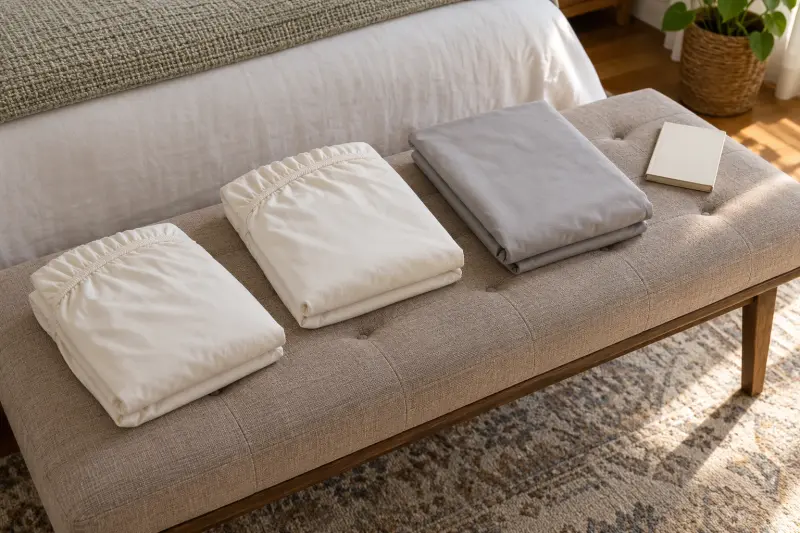
For a hypothetical household, independent reading positions are useful but one person usually changes the sheets. The bedding routine deserves the same attention as the controls. Ask which fitted sheets and protectors are required, how the exact arrangement is cared for and what the household can manage. This is a preference and practicality discussion, not a prediction that split beds are harder or easier for everyone. A choice that serves the positions but leaves laundry or access unresolved is still an incomplete purchase.
Include delivery and setup in the demonstration conversation. Ask whether the components are delivered together, who installs them and who explains any synchronization or independent operation. A two-piece format may have a different access question from a single item, but do not assume it automatically solves every stair or doorway. Confirm packaged dimensions and the provider's scope. Keep a bridge, connector or gap-filling accessory off the shopping list until the relevant makers have addressed the exact combination and intended movement.
Choose a documented compromise
Compare complete documented scopes before comparing price. A fictional Offer A lists a shared mattress and two base pieces, while Offer B lists two mattresses with independently supported operation. A lower total for A does not establish that it meets an independence requirement. Ask for a revised equivalent scope or leave the offers as different options. The comparison should explain the compromise rather than price an unanswered movement requirement at zero.
Treat a showroom preference as evidence of that visit, with the demonstrated configuration recorded. If one person was absent or only a different mattress pattern was available, note which questions remain untried. Ask whether another supported demonstration is possible before committing to an excluded-return component. A second visit has a clear purpose when it addresses the missing task; it should not simply repeat a general sales presentation or add more optional features.
The preference canvas should have columns for each sleeper and shared tasks, with rows for positions, moving surfaces, controls, bedding, finished height and delivery. Mark required answers separately from optional preferences. Add the exact model and date to supplier confirmations. Avoid a single score that pretends to measure the couple's satisfaction or predicts the best compromise. The canvas is useful because it preserves distinct needs and unanswered equipment questions without ranking one person's preference above another's.
For a hypothetical final shortlist, arrangement A gives the intended independent movement with documented mattresses and controls, while arrangement B moves together and meets the pair's shared preferences with a simpler routine. Which deserves priority depends on the agreed task list, not a universal split-versus-single verdict. If independence is required, B's simplicity does not answer it. If it is not required, A's additional capability need not become a compulsory upgrade. Complete evidence lets the household make the preference decision honestly.

Compare terms by component after the configuration is settled. A mattress trial, a base warranty and a bedding return policy can describe different scopes. Ask what the written offer says for each piece, including delivery, assembly and any selected fabric or configuration. Do not infer that buying a bundle makes every component returnable under the mattress's terms. Current order-specific answers matter more than a broad trial headline or a review written for another market.
At handover, check the actual components and have the provider explain the agreed operating arrangement. Keep the exact manuals and private order record together. Review the canvas if a mattress, control or household need changes. This article has not tested split systems or established improved sleep, medical outcomes or relationship benefits. Its purpose is a more useful buying discussion and a proportionate purchase, including a simpler arrangement or another demonstration when the important preference and compatibility questions remain open.
Draw the bedding basket before buying a split set
List the exact mattress surfaces first, with their dimensions and permitted layers. Then write the fitted sheet, protector and any top bedding being considered beside each surface. Keep a shared layer separate from independently fitted pieces. Ask the makers which arrangement is intended for the actual movement pattern and follow the instructions. A bedding bundle title may simplify the shopping label without specifying every component the household needs. The list prevents both missing pieces and unnecessary duplicates.
A hypothetical US-style example uses two mattresses whose individual dimensions are thirty-eight by eighty inches. Their combined width is seventy-six inches, but that arithmetic does not make one seventy-six-inch fitted sheet suitable for independent movement. Ask for the correct pieces for each mattress and the intended configuration. Another market or split design can have different measurements, so do not treat those teaching dimensions as a universal specification. Exact fit remains the relevant purchasing question.
Compare care instructions and the household laundry routine before ordering several sets. Separate fitted pieces may be bought individually, while a bundle may include pillowcases or top sheets the household does not need. Ask about permitted inspection and what washing or use does to the actual return process. No current price or stock is assumed here. The useful comparison is between complete baskets that serve the documented arrangement, with subjective fabric preferences kept separate from unsupported cooling or sleep claims.
If correctly sized existing bedding is approved for the final setup and serves the task, reuse can be considered. If replacements are needed, verify one complete arrangement before duplicating it for spare sets. A drawer full of unmatched split-bed pieces is not better value than a focused purchase. Keep labels and dimensions privately with the bed record so that a future replacement can be identified without relying on the word king. This modest shopping task should follow the confirmed bed, rather than drive its configuration.
Choose a configuration that can be explained at handover
The final order should be specific enough for the installer and household to recognize the agreed arrangement. Name the base pieces, mattresses, sizes, heights, controls and any approved components. Describe whether the intended operation is independent or together. Ask who confirms the installed setup and explains the exact manual. A family name plus split king leaves too much room for assumptions if the buyer's main requirement concerns independent movement.
For a hypothetical delivery, the supplier offers a different mattress version because the selected one is unavailable. Ask whether the earlier configuration answer still applies and how the bedding or control arrangement changes. Compare the substitute as a changed order, rather than accepting it because the overall size appears similar. The same principle applies if one side is replaced later. A confirmed complete system should be reviewed for the actual replacement, not treated as blanket approval for any mattress that fills the space.
Preserve the preference record without making it a permanent diagnosis of the household. People may change how they use the bed, and relevant care or access needs can require another assessment. A different preference should prompt a new conversation about permitted use, not an improvised powered-component change. Keep the appropriate support route and current owner instructions available offline. Ask the makers or installer about technical uncertainty and the relevant professional about individual needs.
A good split-versus-single decision can be explained through ordinary tasks and documented equipment. It does not need a claim that independent bases improve relationships, eliminate disturbance or guarantee better sleep. Choose the arrangement that answers the agreed requirements with its practical compromises understood. If the questions remain open, another demonstration, another complete configuration or postponing the purchase can be the useful result. The reader should leave with a clearer decision, rather than pressure to buy the most elaborate bed format.
MAKE THE SPEND MEANINGFUL
Before adding to the basket.
- Consider a simpler shared arrangement when both want the same positions.
- Keep compatible existing bedding until the final configuration is confirmed.
How this guide was prepared
AI-assisted editorial research, checked against the linked primary sources. Product testing and a credentialed individual review are not claimed.
source-checked editorial; no hands-on testing or expert suitability assessment claimed
How we use sources and AI assistance ↗Sources & fact checks
The guide separates sourced facts from editorial questions and examples. We have not claimed hands-on product testing. How we use sources and AI assistance.
- Saatva: Adjustable Base Plus dimensions and split configurations ↗
- Saatva: exact-base syncing instructions ↗
Found an error or an outdated detail? Contact the editorial team.