
In brief
A mat inside the bath or shower has a different job from a floor mat outside it. Check intended use, permitted surface, dimensions, cleaning and how it stays in place. The phrase “non-slip” is not a guarantee for every floor or bathing surface.
IN THIS GUIDE
Choose the location before the mat
'Bath mat' can describe a textile placed on the room floor or an item intended for the inside of a bath or shower. These are different jobs. Write the intended location before browsing: outside the enclosure, inside the bath, or on a particular shower surface. A matching colour or familiar product name does not make one category interchangeable with another.
Describe what you want the item to do. You may want a more comfortable surface after washing, a textile that is easy to launder, or a documented product for an identified wet surface. Keep comfort preferences separate from support or personal-mobility questions. A mat is not a replacement for an assessed seat, rail or other necessary arrangement.
Sketch the bathroom area, showing doors, screens and the usual route. For an inside-enclosure item, identify the relevant surface and drain location. For a room-floor textile, describe where it would sit and how it affects the normal routine. The sketch helps reveal practical questions without placing untested objects in a wet bathroom.
If the problem is recurring instability or difficulty using the bathroom, seek suitable personal and home-environment advice. Do not assume that buying something labelled 'non-slip' solves the whole issue. This article organizes product, surface and care questions; it does not assess a person's fall risk or certify a bathroom.
Compare product categories by their intended job
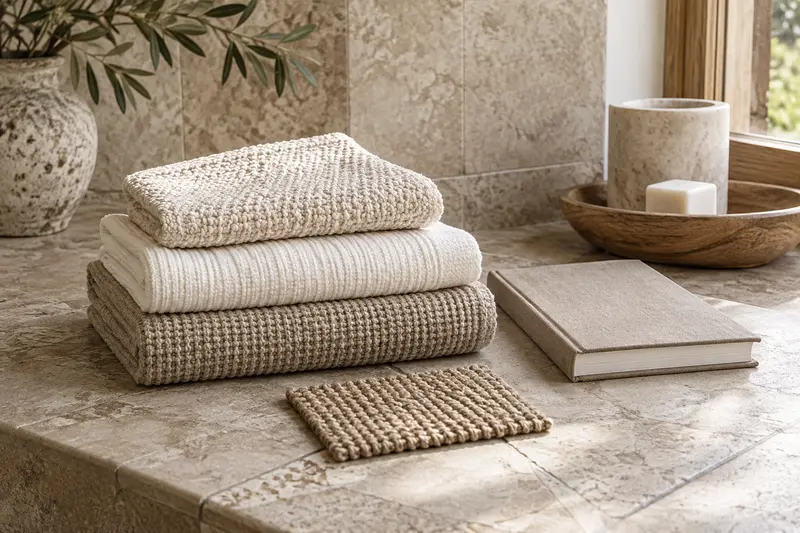
A textile bath mat can be chosen for feel, size and laundry practicality. An in-bath or shower mat has its own surface and use instructions, often involving a particular attachment design. An underlay is another product with its own limits. Ask what the manufacturer actually permits rather than treating all three as ways to achieve the same result.
IKEA's US TOFTBO page is a textile example with specified fabric, backing and machine-wash instructions. Those facts help frame a laundry comparison. They are not evidence that the item belongs inside a bath or that its material alone guarantees grip on every room floor. Keep the actual intended location and current regional product information connected.
For an inside-enclosure example, IKEA's UK TÅNGEFLO page describes a shower mat with separate care instructions. Its product record is different from a textile listing. A photograph of someone else's bathroom does not establish whether your particular surface or arrangement falls within the permitted use.
Build separate shortlists for separate locations. If you need an outside textile and an inside product, evaluate each against its own requirements. You may ultimately need one, both or neither. Buying a coordinated set first can obscure a mismatch, whereas a location-based comparison directs spending to the item that addresses a real task.
Check the exact surface restriction
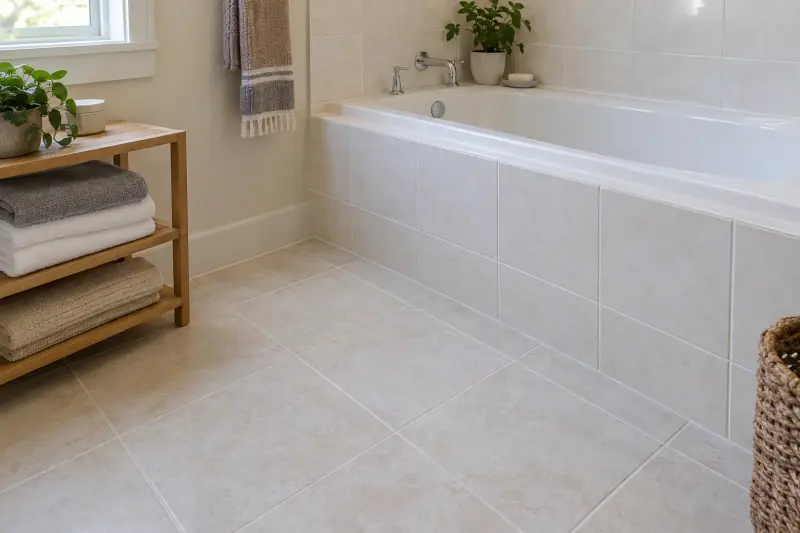
Before considering colours or size, identify the surface where an inside mat would be used. If the product's instructions exclude that surface, remove it from the shortlist. A surface question is not answered by a retailer's broad 'for bathrooms' category or a customer review saying the item worked in a different home.
The TÅNGEFLO instructions explicitly exclude textured surfaces. That is a product-specific limit to carry into the buying decision. Do not assume another mat shares the same limit or that the absence of a prominent warning on a retail page means compatibility has been established. Obtain the exact instructions.
An illustrative buyer has a textured shower tray and finds a suction mat with attractive dimensions. The relevant exclusion means the apparent size match is not enough. Buying a larger version or more of the same design does not resolve that mismatch. The buyer should ask about an appropriate alternative or relevant professional review of the original problem.
If you do not know how the surface should be classified, send clear photographs and ask the manufacturer or supplier what information is required. Keep the reply with the model record. Do not apply an improvised adhesive, trim attachment parts or add another mat underneath to compensate for an unanswered compatibility question.
Use dimensions to organize fit questions
Record the useful area and the product's actual dimensions. Check whether the quoted size describes the mat itself, a package or a set. Also note the drain and fixed boundaries relevant to the intended location. A product smaller than the area may still leave practical questions about placement, routine and permitted use.
For a paper-only illustration, imagine a 90-centimetre-wide area and a fictional 50-centimetre-wide mat. Subtraction gives a 40-centimetre remainder. That arithmetic does not tell you where the mat should go, whether the remaining area is appropriate for a movement or whether two mats can be combined. Those are separate questions.
Do not automatically choose the largest item or combine several small ones to cover the whole area. Ask whether the exact product instructions allow the arrangement you have in mind. Overlapping, cutting or combining products can change their use. A layout that needs such changes deserves clarification rather than a confident 'fits' label on the shopping sheet.
For a textile on the room floor, consider the door's ordinary movement and the planned position. If a listing omits thickness or another relevant dimension, ask for the missing information. Use the drawing to identify possible interference without turning a home measurement into an approval. Retain the numbers and their labels for the final order comparison.
Read restrictions before accepting a marketing promise
Words such as 'non-slip', 'secure' or 'won't move' can dominate a product description. Read the manufacturer's actual use restrictions and care information as well. The buying decision should preserve those conditions instead of repeating the strongest sentence in the advertisement as a universal guarantee.
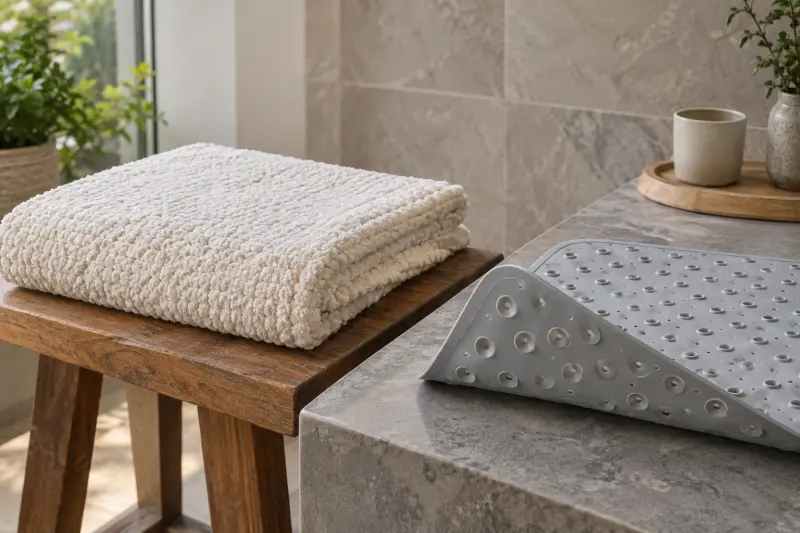
For TÅNGEFLO, the instructions include limits related to textured surfaces and products containing added oils, as well as directions about initial unpacking, condition and care. These are concrete reasons to obtain the current manual before purchase. This guide does not reproduce a generic installation procedure for every mat or promise that following a checklist removes all risk.
Write the relevant restrictions on your comparison card. If your normal routine conflicts with one, ask whether an appropriate product or different arrangement is available. Do not hide the conflict under a good score for softness or colour. A product that does not match the intended use is not made appropriate by a low price.
Keep personal support questions separate. If another device is used in the enclosure, ask the responsible professional or manufacturer how the proposed arrangement should be reviewed. Do not assume a mat belongs under chair feet or other equipment merely because it fits there. Equipment instructions and the whole routine matter together.
Plan removing, hanging and restoring the item
An inside mat may have to be handled between uses under its own care instructions. Ask who will do that and where the item can dry. The product's weight on a listing is only part of the task. Shape, available grip and the location of storage can influence whether the routine is practical for the actual household.
Do not buy a mat on the assumption that it will permanently stay where the photograph shows it. Read the care requirements first. The TÅNGEFLO manual calls for rinsing and hanging after use. Treat that as an ownership task for that example, not as an optional decorative detail. Other products need their own instructions.
Look at existing suitable storage before buying another accessory. A drying destination should be considered alongside the route and other household needs. An unrelated suction hook or organizer is not automatically intended to hold the item. Ask about an appropriate arrangement if no practical place is available.
An illustrative user likes a mat's feel but cannot conveniently remove and restore it as instructed. The product might require reliable help, a different appropriate option or reconsideration of the task. Selecting the same item because it is inexpensive does not resolve that daily handling issue. Include the actual person who will maintain it in the buying conversation.
Compare care requirements with your real washing routine
A mat that is easy to buy can still be awkward to care for. For a textile, check the label's washing and drying requirements, the available appliance and how you will handle the item. Do not assume all textile bath mats tolerate the same wash cycle or dryer setting because they look similar.
The US TOFTBO page includes machine-wash and low-heat drying instructions for that identified product. TÅNGEFLO's product page instead describes handwashing and line drying. These examples show why 'easy clean' should be translated into actual tasks. Keep the current local item's label and instructions rather than borrowing a routine from another material or model.
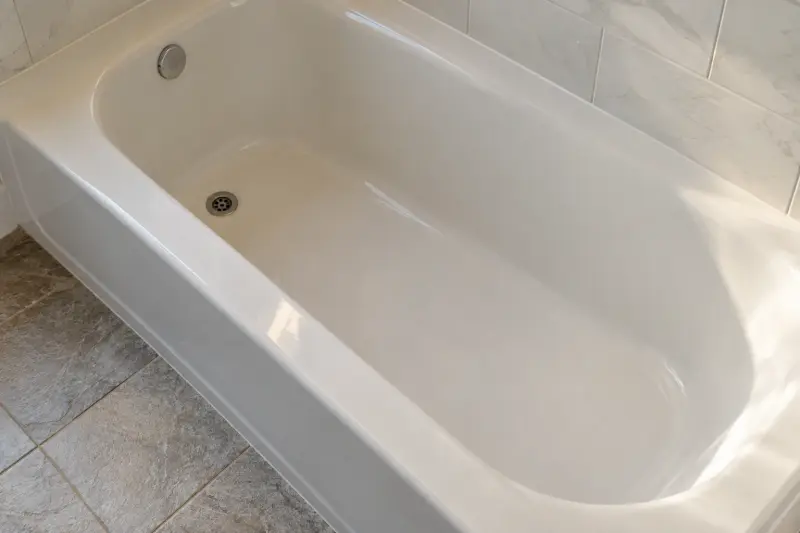
Write a simple care record: permitted method, person responsible, drying destination and the information to retain for later questions. No invented cleaning interval is needed. Follow the instructions and clarify anything missing with the supplier. This article does not offer a bleach, descaling or disinfectant recipe for a product whose compatibility has not been established.
A spare can be useful if an appropriate textile is unavailable during laundering, but it is an optional purchase to evaluate after the first item meets the task. It should not be a reason to retain an unsuitable product or ignore care requirements. Decide whether the household actually needs a spare rather than accepting a multi-pack as inherently better value.
Keep product identification and condition questions visible
Retain the model, item identifier and applicable instructions. If you notice damage or a change in the material, use the product's guidance and contact the responsible supplier. Do not invent a fixed lifetime from an article or assume that an older item remains appropriate because it has been in the bathroom for years.
The TÅNGEFLO manual tells users not to use an item with the described material defects or impacts. That belongs to its exact instructions. A care comparison should help you find the relevant wording for your own product, not diagnose damage from a photograph or prescribe a repair with household glue.
Where relevant, check the manufacturer and your region's official recall information using the exact identity. The US CPSC maintains an official recall and warning search. Finding no result during a search is not a safety certification, and a warning for one named product should not be attributed to every mat in the category.
If a product is recalled, follow the actual notice for that model and market. If identity is uncertain, ask the manufacturer to help resolve it. Keep the purchasing receipt and instructions together so that a future question is easier to answer. This is more useful than relying on a retailer listing that may disappear or redirect after a product changes.
Use reviews for questions, not permission to ignore the manual
Reviews can reveal concerns worth asking about: size, cleaning effort or how an item looks after storage. They cannot authorize a use excluded by the manufacturer. A reviewer may have a different surface, version or routine, and an apparently positive experience does not establish that your intended arrangement is covered.
The UK TRAMPSJÖN page gives a particularly clear buying lesson: its product details specify bathtub-only use. A buyer should retain that restriction even if a review or photograph suggests another location. The product name and its current instructions take priority over a convenient example supplied by another customer.
Keep a 'question prompted by reviews' column separate from verified specifications. For example, a comment about an awkward size can prompt you to check dimensions; it should not become our claim that a named model fits a particular enclosure. This guide has not performed hands-on testing, and it does not convert customer ratings into an independent ranking.
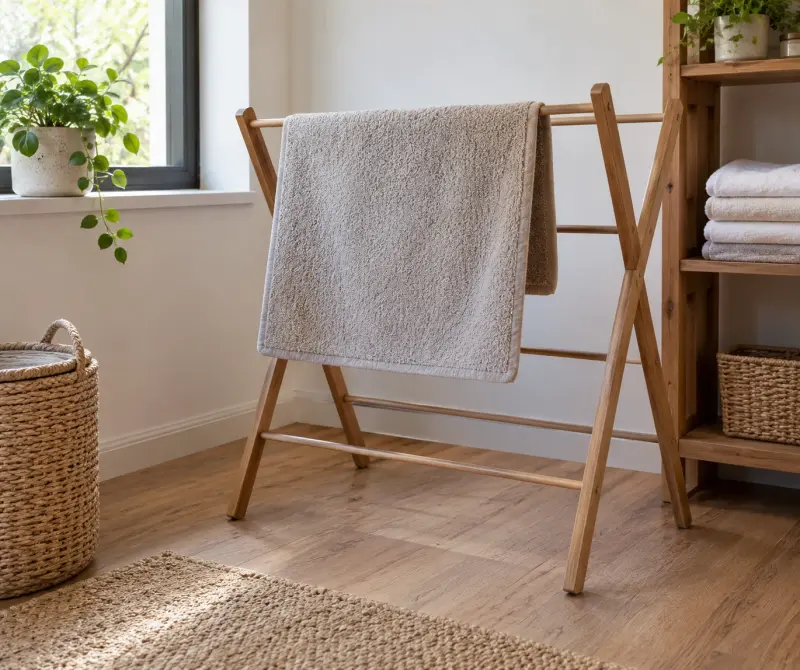
Editorial illustration Ask how the seller handles a mismatch between an advertised description and the supplied instructions. Save relevant product information and correspondence before ordering. If the practical answer depends on a claim the supplier cannot support, leave it unresolved. You do not need a star score to decide that a missing permitted-use answer should be clarified.
Consider the whole bathroom routine
A new mat becomes another item to place, clean, move or store. Discuss how those tasks fit a shared bathroom. If different people use different equipment or arrangements, include that context before selecting a product. A purchase meant to improve comfort for one person should be reviewed alongside the ordinary route and routine of the household.
Record where footwear, towels and other loose items normally go. A clear storage plan may address part of the inconvenience before any new item is bought. The aim is not to cover every visible floor area with matching textiles. Each item should have a purpose and an understandable place in the routine.
Colour and texture can be legitimate preferences, but avoid unsupported claims about a particular colour preventing falls or a particular material being best for every older adult. If visibility or personal mobility needs require advice, discuss them with the appropriate professional. A design preference and an assessed requirement should remain separately labelled.
Use a brief household note: location, intended use, who maintains the item and what instructions must be followed. A helper should not have to guess whether a mat stays in the enclosure, moves for care or belongs only on the room floor. Consistent understanding is a practical benefit that does not require buying another decorative set.
A modest purchase still deserves a complete-cost comparison
Compare the appropriate product with delivery, any separate compatible component and the actual care task. A small advertised price can be outweighed by repeated mismatched purchases or an unneeded bundle. Leave current prices blank until you have checked relevant offers; this guide does not quote a market price or promise a particular saving.
Ask whether the package contains one item or several and whether every item is relevant. A multi-pack can be sensible for a known task, but buying extra pieces before confirming surface compatibility simply multiplies the uncertainty. The same applies to an additional underlay or holder: each has its own intended-use and compatibility questions.
For online purchases, review the seller's return conditions and retain the item identity and correspondence. Different markets and circumstances have different rights and policies, so do not assume a universal free trial. Clarify what happens if the supplied version differs from the one described or the instructions reveal a restriction that was missing from the listing.
A no-purchase alternative may be to improve the existing care or storage arrangement, provided it follows the applicable instructions, or to seek assessment of the original bathroom difficulty. It may also be reasonable to retain an appropriate existing item. The comparison should direct spending toward a useful documented choice, rather than make purchase itself the measure of success.
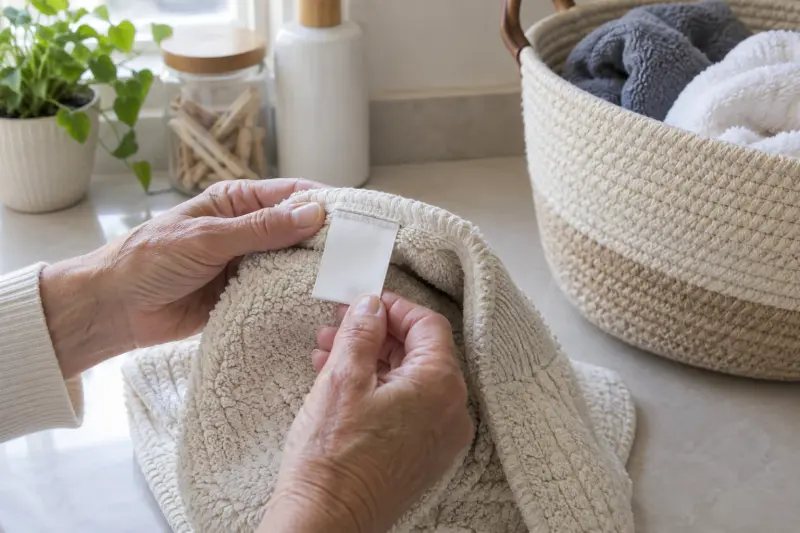
Use a location, surface and care selector
Build a six-field card: location, intended job, surface, relevant dimensions, use restrictions and care. Add the exact product identifier and current regional source beside it. If any essential field is unresolved, write the next question rather than generate an automatic recommendation. This selector is a purchasing worksheet, not a grip or personal-safety test.
For a textile candidate, the card may focus on room-floor placement and laundering. For an inside-enclosure candidate, the surface and permitted-use restrictions become central. Keep those cards separate so that softness, a matching colour or a sale price does not outweigh a category mismatch.
Use the card when comparing a manufacturer document with a retailer listing. If the manufacturer's page has changed or an older link redirects to a general catalogue, find the current specific product or ask support for its documentation. An old product name should not silently stand in for a new variant with different instructions.
The final decision should explain why the item matches the identified task, what was confirmed and which questions remain. It may lead to an appropriate mat, a simpler relevant item or no purchase. A careful low-cost decision can add comfort and convenience without making exaggerated claims or replacing the personal and environmental assessment needed for a more complex bathroom problem.
MAKE THE SPEND MEANINGFUL
Before adding to the basket.
- Organize existing towel and care storage before buying a coordinated bathroom set.
- Retain an appropriate existing item when it still meets its instructions and task.
- Request relevant advice about the original bathroom difficulty instead of assuming another mat will solve it.
How this guide was prepared
AI-assisted editorial research, checked against the linked primary sources. Product testing and a credentialed individual review are not claimed.
AI-assisted, source-checked editorial; no hands-on test, human expert review or personal suitability assessment claimed
How we use sources and AI assistance ↗Sources & fact checks
The guide separates sourced facts from editorial questions and examples. We have not claimed hands-on product testing. How we use sources and AI assistance.
- IKEA US TOFTBO: textile bath-mat material and laundry instructions ↗
- IKEA UK TÅNGEFLO: shower-mat dimensions and care; stock not verified ↗
- IKEA TÅNGEFLO AA-2708505-1: surface exclusions, use limits and care ↗
- US CPSC: official recall and product-warning search ↗
- IKEA UK TRAMPSJÖN: bathtub-only permitted use and product instructions ↗
Found an error or an outdated detail? Contact the editorial team.