

In brief
Confirm how a lift recliner will travel from the delivery vehicle to its final position, who assembles it and what happens if it cannot be installed. A front-door width alone is not a delivery plan.
IN THIS GUIDE
Make the final room part of the delivery enquiry
A lift recliner delivery plan should begin with the final room, not end at the front door. Identify the exact chair and configuration, then describe the complete route from the vehicle to its intended position. A doorway width is useful information, but it does not describe turns, stairs, lifts, packaging or the service being purchased.
Ask the retailer what its delivery option includes. A standard delivery, room delivery and service with assembly can be different offers. Do not assume the phrase premium delivery has a universal meaning. Golden's FAQ says white-glove delivery through selected retailers can include in-home setup and packaging removal, while services vary by retailer.
Keep device requirements visible alongside logistics. The cited US-published Pride manual carries a prescription-use sale caution and describes provider involvement. For other markets, obtain the local device documentation rather than infer the requirements from this US reference. Personal seating and operation questions still need the relevant advice. This guide is a route and service enquiry, not a lifting procedure or installation certificate.
Write the intended location in the order notes and ask how the provider will assess access. The strongest answer identifies the actual chair and agreed service, rather than assuring the reader that most chairs fit most homes. If an essential route question remains unresolved, discover it before payment rather than depending on a crew improvising on arrival.
Trace every segment between vehicle and room
Walk the route without carrying equipment. Record external access, gates, paths, entry steps, the entrance, internal doors, turns and the final room. Ask the delivery provider what information it needs and which conditions affect its service. Do not remove doors or alter a building merely because an online measurement seems tight.
Separate the available opening from a nominal door size. A door leaf, handle, frame or limited swing can affect the clear space. Record how the measurement was taken so the provider can interpret it. A number without a reference point is less helpful than a simple sketch and relevant photographs.
Include the approach to each opening. A chair or handled component may need room to turn before it passes through, and an apparently wide doorway can still present a route problem. The delivery provider should assess its own equipment, handling method and service limitations.
For a fictional house, the front entrance is generous but the hall turns immediately into the sitting room. The enquiry records both the opening and the approach. It does not conclude that delivery works because the published overall width is below the door measurement. The useful result is a specific turn to review with the people responsible for delivery.

Ask for packed and handled component dimensions
A manufacturer's overall chair dimensions are not necessarily the dimensions of the delivery package or each handled component. Ask the seller what arrives, whether packaging is removed before the route is attempted and who is authorised to prepare components for room placement. Keep those answers connected to the exact model.
Request packed dimensions and any relevant component dimensions used by the provider. If the back can be removed under the approved instructions, ask whether the quoted delivery service includes that handling and reassembly. Do not infer that a removable component makes every route possible or attempt the process from a generic video.
The Pride owner manual contains model-dependent assembly information. This is evidence that setup needs the correct instructions, not a reason for this article to reproduce an assembly procedure. A buyer should know who is responsible for it and whether that responsibility is included in the service.
For a fictional comparison, one seller supplies a clear packaged size and room-delivery plan, while another gives only the upright chair width. The second offer remains pending. An inexpensive order is not a complete delivery solution until the route and preparation are understood. Ask for the missing information rather than filling the gap with dimensions from another variant.
Treat corners and landings as separate access questions
Record narrow corners, short landings and turns where the provider may need extra handling space. A straight doorway comparison cannot establish how a bulky item changes direction. Ask the delivery provider whether a sketch and photographs are enough or whether it needs another form of access assessment.
Do not calculate a guaranteed turn from a simple diagonal formula. Real components, packaging, handles and the crew's methods can matter. A route worksheet can identify a possible conflict, but it cannot authorise an improvised lift or prove that rotating the chair vertically is appropriate.
Explain fixed features that limit the route, such as railings, a low ceiling or an inward-opening cupboard. Separate objects that can be moved safely beforehand from building elements requiring permission or specialist work. Do not make the owner's ability to alter those elements an assumed part of the purchase.
In a fictional flat, the lift opens onto a short corridor before a sharp turn. The seller needs the lift interior, door opening and landing information together. A chair fitting inside the lift does not settle the next segment. This helps the buyer compare actual delivery offers rather than treating one successful dimension as approval for the entire journey.
Describe stairs and building restrictions before booking
Ask explicitly whether the service covers stairs, how access is assessed and what charges or limitations apply. Give accurate information about the route and building. Do not assume the owner or a neighbour will help carry a heavy chair, or that a delivery crew will undertake a route outside its agreed service.
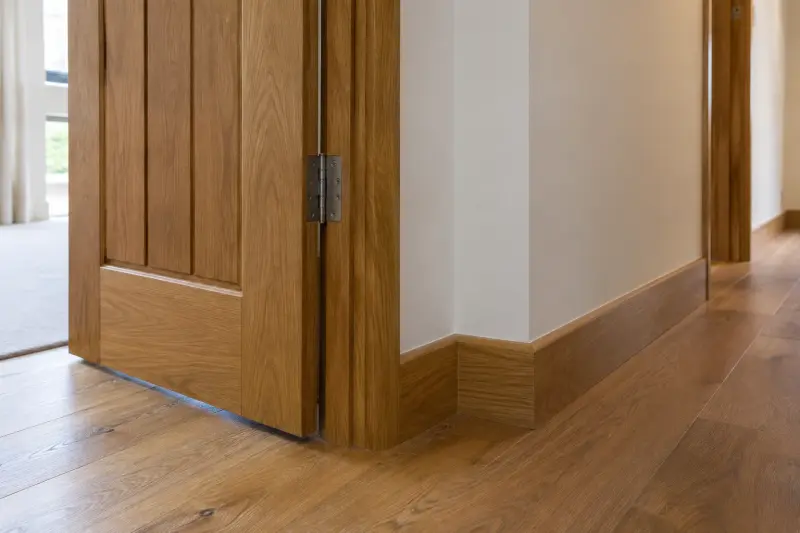
For a lift, record the usable interior and door opening as requested by the provider, plus the approach and exit. Check building booking or access rules with the responsible party. A lift's stated capacity and availability need proper consideration by those planning the delivery, not a casual comparison of one product weight.
If a building requires a booked delivery slot or a particular entrance, tell the seller before choosing a date. A vehicle arrival window may not match building access automatically. Keep the responsible contact and arrangement private with the booking rather than placing personal details in public reviews.
A fictional buyer on an upper floor finds that the base offer covers ground-floor delivery only. They request a written quote and route decision for the actual flat. That may change the budget or supplier choice. It is better evidence than assuming an inexpensive listed delivery fee includes every staircase or presenting all upper-floor homes as equally easy.
Define room placement, assembly and instruction separately
Use a service checklist with separate entries for carrying to the room, unpacking, approved assembly, positioning, setup checks, instruction and packaging removal. Ask the seller which are included and who performs them. A single white-glove label can conceal differences between retailers.
Golden's FAQ is useful because it directs the reader to the particular retailer for delivery details. It does not promise every retailer offers the same service. Obtain the actual scope in writing, including any geographic, access or appointment restrictions relevant to the order.
Instruction should relate to the exact chair and user needs. Ask whether the provider explains the current manual and relevant approved controls, and what happens if additional advice is needed. A crew placing furniture in the room is not necessarily providing a personal suitability assessment.
For a fictional order, room delivery includes assembly but not a separate instruction visit. The buyer asks who will provide the required setup explanation before relying on unfamiliar features. That question belongs in the purchase comparison. It is not solved by an internet tutorial or by assuming a family member can learn every procedure from an image of the remote.
Prepare the agreed route without unsafe improvisation
Ask the provider what the household should prepare before the appointment. Clear ordinary movable clutter where it is reasonable to do so, and ensure the agreed entrance and room are available. Do not attempt heavy lifting, electrical work or building alterations to satisfy an assumption not stated by the provider.
Confirm who deals with the existing chair. New-chair delivery may not include removal, disposal or relocation of old furniture. If that service is needed, obtain an actual arrangement and quote. A clear final space cannot be assumed when the old item remains in the proposed location.
Discuss the approved power location with the provider in advance. If qualified electrical work is needed, plan it through the appropriate person. Avoid treating delivery day as an opportunity for the crew or household to improvise a connection. Device instructions and local requirements still apply.

For a fictional reader, moving small belongings clears the route, but removing the existing bulky chair requires a separate service. The preparation sheet records that task and its confirmed date. This makes the delivery plan workable without buying another accessory or relying on an unplanned neighbour to do a physically demanding job.
Separate dispatch, arrival and usable setup dates
Ask when the chair is expected to dispatch, when delivery is expected and when any setup or instruction happens. Those dates can differ, particularly for a selected size, fabric or option. A stock label does not guarantee the exact configuration can be supplied and used by a particular deadline.
The FTC's US guidance addresses seller delivery promises and record keeping. Its legal rules are US-specific; readers elsewhere should consult the appropriate local consumer source. The practical step in any enquiry is to preserve the actual promise and understand how a delay is communicated.
If timing matters for a household need, explain that to the seller without assuming it guarantees expedited service. Ask what is confirmed, what remains an estimate and whether another appropriately suitable arrangement is available. Do not choose an untried chair solely because it is described as ready to ship.
For a fictional order, the chair can arrive on one date but the instruction appointment is later. The buyer discusses what the delivered equipment may be used for before that appointment through the appropriate provider. The schedule should not create pressure to operate unfamiliar features without the required support.
Agree the delivery record and concern-reporting process
Before arrival, ask how the retailer wants damage, missing items or a mismatched configuration reported. Find out what the crew records and what the buyer should keep. Do not invent a universal reporting deadline; the relevant seller terms, device literature and local consumer rules need to be checked.
At delivery, compare the model, size, fabric and ordered options with the paperwork. A collection name alone may not identify the exact variant. Record a concern accurately and seek the seller's instructions rather than accepting a substitute on the assumption that every chair in the family is equivalent.
Keep a reasonable record of visible condition and the supplied items without dismantling the chair. If something appears damaged or operation is in question, contact the appropriate provider before relying on it. A photograph can document an observation, but it does not diagnose the cause or establish that a chair is safe to use.
Ask for the completed delivery and setup record and keep it with the order. If the crew notes an unresolved issue, make sure the next action and contact route are clear. The useful outcome is a documented handover, not a hurried signature that the reader later interprets as confirmation of matters nobody checked.
Know what happens if the chair cannot reach the room
A failed delivery needs a plan before it happens. Ask who makes the route decision, where the equipment would remain and what collection or redelivery charges apply. Do not assume the crew can leave a heavy chair safely anywhere or that the owner can finish the route later.

Separate failed access from product fault and unwanted-item return. They may follow different seller processes and local rights. A product warranty does not necessarily answer a room-access problem, and a return window does not by itself explain who collects the equipment or pays transport.
For a fictional order, the retailer accepts the supplied route measurements but requests photographs of a landing before confirming. The buyer waits for that answer rather than treating a booked date as access approval. If the route is unsuitable, another appropriate chair or service can be compared before money is committed.
Keep special-order terms visible when the chair's size, fabric or options are selected. Ask how a route concern affects cancellation and refund arrangements. Do not presume a personalised order is excluded from every right, or that it is always returnable. Obtain the actual terms and relevant local advice where necessary.
Compare the complete delivery offer with the product
Put the chair quotation and delivery scope in the same comparison. Include only actual charges and mark unknown items pending. One seller's lower device price may come with a service that does not meet the required route or setup. Another may offer the needed service, but its exact scope and timing still need confirmation.
A useful comparison identifies the model, size, fabric, delivery location, assembly, instruction, old-chair handling and failed-route terms. It does not need a made-up average delivery fee. The reader's actual location and requirements should drive the enquiry.
Consider a no-purchase improvement first where appropriate. A clearer route record, moving small existing furniture or asking for the exact component information may resolve uncertainty without spending. Do not buy door-protection products, moving straps or tools as substitutes for the delivery provider's approved plan.
Choosing another size solely for easier delivery can undermine an established seating requirement. If the preferred configuration cannot be delivered through the proposed route, compare another appropriate model or location with relevant advice. The goal is a usable chair in the right place, not a successful front-door delivery of equipment the person cannot appropriately use.
Finish with a usable setup and a clear support route
A completed delivery should leave the reader knowing what was supplied, which agreed services were completed and whom to contact. Ask for the current manual and relevant provider explanation. Keep the order and setup record together so later service enquiries can identify the exact equipment.
If any assembly, personal instruction or technical question remains pending, write it down and obtain clear advice about the next step. Do not call the chair ready simply because it is physically in the room. This guide does not authorise unfamiliar operation or replace the provider's requirements.
Review the intended placement against the agreed full moving footprint, nearby furniture and approved power arrangement. If the delivered configuration differs, revisit those questions before assuming the earlier room plan applies. Delivery logistics and ongoing use need to meet at the handover.
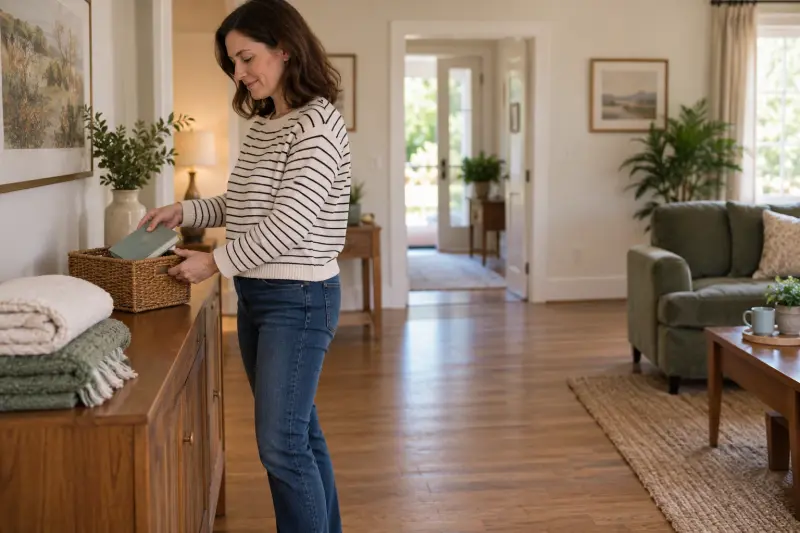
A good plan traces the chair from vehicle to final position, defines the paid service, prepares the actual route and explains the contingency if it cannot be completed. It helps readers spend on a practical arrangement and avoid paying for an attractive delivery label that never answered the home's most important access question.
MAKE THE SPEND MEANINGFUL
Before adding to the basket.
- Use a paper route record and accurate photographs rather than buying moving equipment for a provider-owned task.
- Move ordinary small belongings where appropriate before purchasing storage or access accessories.
- Compare actual complete delivery offers; the lowest advertised delivery fee may not include the required room or setup.
How this guide was prepared
AI-assisted editorial research, checked against the linked primary sources. Product testing and a credentialed individual review are not claimed.
AI-assisted, source-checked editorial; no hands-on test, human expert review or personal suitability assessment claimed
How we use sources and AI assistance ↗Sources & fact checks
The guide separates sourced facts from editorial questions and examples. We have not claimed hands-on product testing. How we use sources and AI assistance.
- Golden Technologies FAQ: delivery and setup services vary by retailer ↗
- Pride US-published lift-chair manual: model-specific assembly and provider requirements ↗
- FTC US online-shopping guidance: delivery promises, total costs and seller records ↗
Found an error or an outdated detail? Contact the editorial team.