
In brief
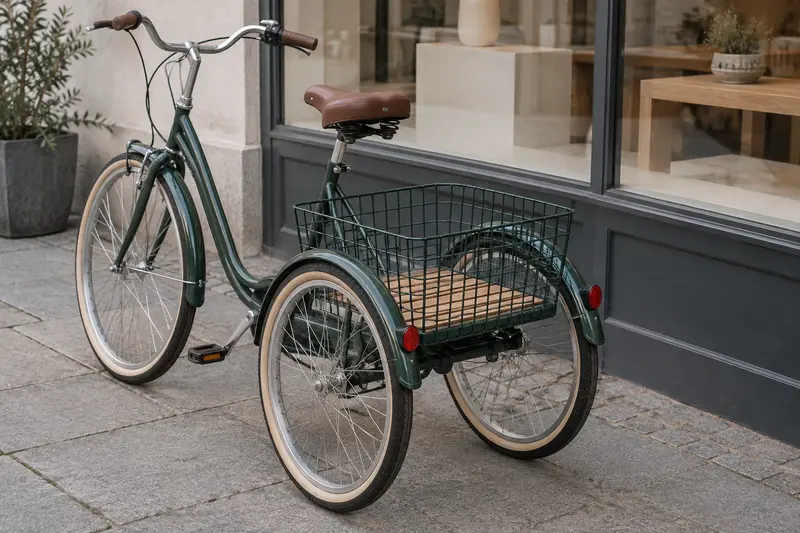
Check the total payload and every separate basket or rack limit for the exact configuration. Cargo shape, attachment and distribution also matter. Plan an ordinary load, ask the dealer how it should be carried under the manual, and do not assume spare capacity in one basket can be transferred to another.
IN THIS GUIDE
List what you actually carry
Make a cargo inventory from an ordinary outing: shopping bags, lock, waterproof clothing and other necessary items. Note which are heavy, bulky or awkwardly shaped. Weigh the items rather than estimating by bag size. A light but tall parcel may create a different practical problem from a compact bag of groceries.
Include the weight of fitted accessories where the manufacturer’s instructions require it. Record the rider requirement separately and ask how the published payload is defined. Do not choose a larger basket simply because an affiliate bundle contains it. First identify a load you expect to carry regularly and the mounting position it needs.
Make the inventory from a real planned errand rather than a picture of a full basket. Include shopping, a lock, permitted personal accessories and anything normally carried on the return. Record weight and shape separately. A folded coat may be light but occupy useful space; a small dense item may be easy to underestimate. Keep liquids, fragile items and awkward packages visible in the discussion with the dealer. The purpose is to describe ordinary cargo, not invent a universal safe loading arrangement.
Ask the maker how its published limits count the rider, fitted equipment and cargo. Some descriptions separate rider and basket limits while also stating a complete payload figure. Do not assume that every kilogram of spare total capacity can be placed anywhere. Record the exact definitions supplied for the configuration being quoted. A retailer's accessory bundle may add equipment whose own weight or loading instructions need attention. The complete order should be compared against the same inventory, with unclear definitions left as questions.
For a hypothetical shopping trip, the outward load consists of a lock, waterproof clothing and an empty bag. The return adds groceries. The return inventory is therefore the relevant cargo case even though the trike leaves home looking lightly loaded. Another outing may carry a bulky parcel with a modest measured weight. Ask about that shape and attachment rather than treating the weight alone as permission. Different errands can need different arrangements, and the vehicle should not be chosen around a single photograph of neatly packed shopping.
Avoid selecting extra basket capacity before identifying a need. An accessory package may look generous while duplicating a space the household already has. A smaller routine load, a separate delivery for occasional bulky items or another transport arrangement may be a better fit. Those alternatives do not remove the need to obey the trike's limits; they change the task being asked of it. Keep the inventory with the quote so that optional equipment has an explainable purpose instead of becoming an automatic addition to every order.

Use separate limits as separate checks
Lectric’s XP Trike2 listing publishes distinct rider, front-basket, rear-basket and total payload limits. That is a useful example of why one total number cannot answer every loading question. Match the figures to the precise variant and accessory instructions supplied with the order, especially if a retailer shows an optional cargo package.
Imagine a basket limit of 10kg in a hypothetical model. Putting 12kg there does not become acceptable because another rack is empty. Write each compartment’s proposed load beside its own limit, then check the complete load definition. Ask the manufacturer to resolve a missing limit or an unclear accessory arrangement before using it.
A complete loading comparison needs a row for each permitted location and a separate row for the whole system. Write the proposed weight beside the exact basket, rack or accessory limit. Ask how the manufacturer defines the overall figure and whether an optional carrier changes the arrangement. A single payload headline cannot authorize every distribution. If one compartment is over its own limit, an empty compartment elsewhere does not cancel that issue. Keep both checks visible rather than averaging them together.
Use the Lectric listing as an example of why separate categories matter, not as a universal trike specification. Its rider, basket and total limits belong to the current exact version and documented accessories. Ask the seller to confirm which equipment comes with the quote and which instructions apply. A basket sold separately with a similar shape may have different fittings or limits. Do not infer approval from the fact that it can physically sit on the rack. A compatible-looking photograph leaves the load and attachment questions unanswered.
For a hypothetical worksheet, the buyer has two bags with different measured weights and two proposed compartments. They first check each compartment's stated limit, then the complete definition supplied by the maker. If one bag exceeds its intended location's limit, they reduce or change the errand and discuss a permitted arrangement. They do not shift cargo on the basis of this website's advice, and they do not invent a new limit by adding the capacities of unrelated accessories. The worksheet exposes the question for the supplier; it is not a distribution recipe.
Keep units and versions consistent. A listing in pounds and a home measurement in kilograms need clearly labelled conversion or a supplier-confirmed comparison. Do not round a load downward to make it appear compliant. If the limit is missing or the definition is unclear, request it before buying or using the accessory. The correct conclusion may be that the intended cargo task remains unresolved. An attractive bundle price or a bigger basket does not establish permitted loading for the exact trike.
Ask about attachment and ordinary use
Have the dealer demonstrate loading, securing and removing the intended bags under the instructions. Check that straps and loose items do not reach wheels or moving components. Ask whether the proposed basket, carrier or trailer is approved for the exact trike rather than adapting a generic bicycle accessory from its dimensions alone.
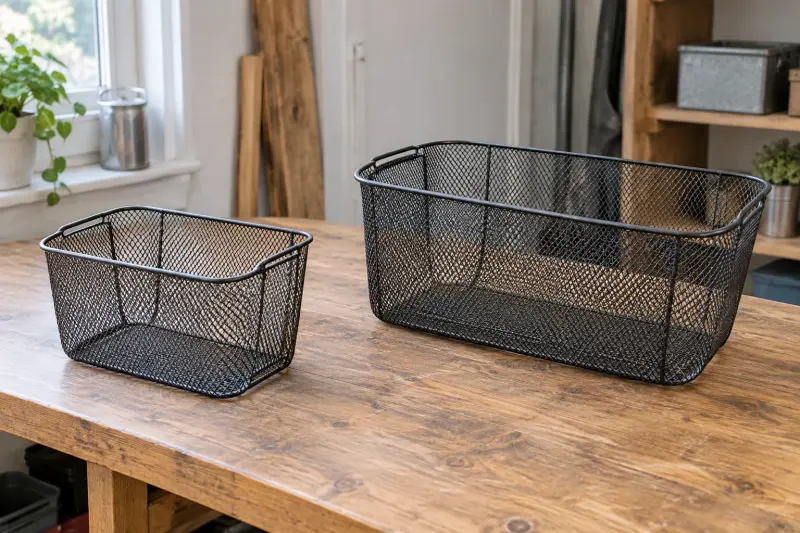
A practical load also needs to be accessible when the trike is parked. Consider how you lift a bag out and whether the storage route still fits with the basket installed. If you intend to carry an animal or a passenger, obtain explicit manufacturer guidance for that use; an ordinary cargo limit does not authorize it.
Ask the dealer to explain the complete carrying routine while the trike is stationary under the instructions. The relevant questions include placing the bag, using the approved securing method, accessing it at the destination and removing it. Keep straps, loose items and moving components in the maker's discussion. This article does not prescribe an attachment pattern or authorize improvising a carrier. A generic bicycle bag with hooks or straps should not be assumed appropriate for every three-wheel frame and rack arrangement.
Describe how the household will use the cargo at the destination. A bag that fits the basket may still be awkward to remove in the intended parking space. If the person needs help with handling, include that requirement in the ordinary journey rather than assuming help will appear. Ask the supplier what can be demonstrated and seek appropriate advice where personal capability is uncertain. The cargo decision belongs alongside entry, controls, storage and parking, because an accessory can change more than the amount of space available for shopping.
A hypothetical rear carrier extends beyond the standard frame outline. It serves a genuine cargo preference but changes the home storage route. Before adding it, repeat the relevant width and parking questions using the final configuration. A front accessory may introduce a different question around the intended control arrangement. The exact consequences need maker confirmation, not a rule that one mounting location is always preferable. A useful accessory record names the part and the task, with any configuration changes clearly documented.
Passengers and animals need explicit manufacturer guidance for that intended use. An ordinary cargo figure does not establish permission to carry either, and a basket photograph cannot settle the issue. Similarly, a trailer or specialized carrier has its own complete-system questions. Keep unsupported uses outside the purchase recommendation. If the maker does not approve the intended arrangement, choose another way to complete the task rather than adapting a cargo container because its dimensions or advertised maximum weight seem adequate.
Keep a cargo card with the order
A paper cargo note can record item, measured weight, intended position, local limit and attachment instruction. Add the exact basket or rack part number so the delivered accessory can be checked against the agreed plan. Do not convert the note into a handling or stability guarantee; use it to expose questions for the dealer.
Compare fewer accessories and smaller routine loads where they still meet your need. For occasional bulky shopping, a delivery service or another transport arrangement may answer the task without expanding the trike setup. Choose cargo equipment because it serves a documented journey, not because a photograph makes a full basket package look essential.
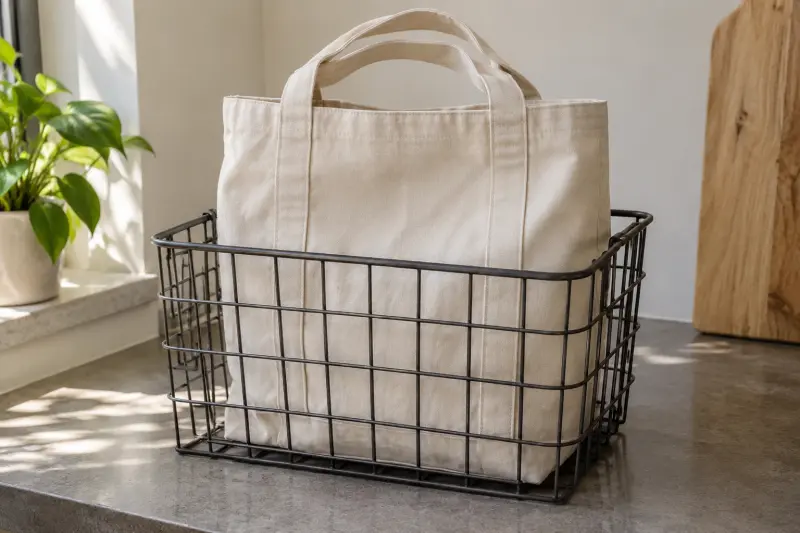
The cargo card should connect each item to a measured weight, intended location and the applicable manufacturer instruction. Add shape or handling notes when they matter. Include the exact accessory identifier and whether it is part of the order or an optional purchase. A card based on a generic rack image is incomplete. The final record should describe the delivered configuration, so that a different basket or mounting arrangement prompts clarification instead of passing unnoticed under the same vehicle family name.
Use the card to ask better questions, not to calculate a stability score. A set of weights below published limits is only one part of permitted loading and use. Attachment, configuration and the maker's operating instructions still matter. The supplier should explain the relevant arrangement, and any personal handling concern needs suitable assessment. This publisher has not tested loaded trikes, measured handling or certified a distribution method. Keep factual product information separate from any impression that a fully packed lifestyle image supplies performance evidence.
In a hypothetical final comparison, one buyer's routine requires a modest measured shopping load and a lock, while a large accessory package adds space that would rarely be used. They can compare a smaller confirmed arrangement without treating the bundle as essential value. Another buyer has an occasional bulky purchase that remains incompatible with the documented routine. They may use delivery for that item and keep the ordinary trike setup focused. Neither example changes the manufacturer's limits; it changes which tasks are assigned to the vehicle.
Before paying, confirm the exact equipment, documentation, assembly scope and local support. Ask what happens if a quoted accessory cannot be supplied or is substituted. Save the cargo card with the order and review it when fitted equipment or routine loads change. A considered purchase solves the ordinary carrying task with the requirements understood. It does not maximize the number of baskets, promise a handling benefit or turn every occasional errand into a reason to buy a more elaborate vehicle.
Work through a shopping basket before shopping for accessories
Write one frequent errand and one occasional errand as separate cases. For each, list what leaves home and what returns. Include the lock and other permitted items already on the vehicle. Measure the weights privately, identify awkward shapes and mark where the exact instructions or dealer explanation are needed. Avoid posting personal shopping or health information in a public tool. The worksheet should be a practical record for the supplier, not a source of unnecessary data collection.
A hypothetical frequent errand involves a few groceries that fit the confirmed configuration. The occasional errand involves a large household package whose dimensions and attachment are uncertain. The buyer should not assume a larger basket answers the second case. They ask the maker about the complete arrangement and consider delivery or another vehicle if it cannot be confirmed. That keeps the regular purchase focused while respecting the exceptional item's different requirements. It is not an instruction to improvise a load outside the ordinary basket.

Compare the accessory choices only after these cases are written. Ask which part adds a genuinely needed capability, which part duplicates existing storage and which part creates new installation or clearance questions. A lid, bag, additional carrier or decorative liner can each have a legitimate purpose, but none should be included solely because it appears in a promotional bundle. Ask about care, weather instructions and approved use for the exact item without inferring waterproofing or protection from its name.
Keep a simple no-purchase option in the comparison. If the current approved setup serves the regular errand and occasional bulky goods can arrive another way, an extra cargo accessory may not be needed. If a required task remains unresolved, do not let an inexpensive accessory distract from it. The useful outcome is a complete answer for the actual load and journey, including the option to reduce the routine, choose another configuration or wait for the maker's clarification before spending.
Confirm the delivered cargo system and future changes
At delivery or collection, compare the supplied basket, rack and fittings with the written order. Ask for the exact instructions and the agreed explanation of loading and securing. If a component differs, seek clarification before treating the earlier worksheet as valid. A similar-looking basket can have a different identifier or mounting arrangement. Keep the supplier's response with the owner documents and private order details. The buying record is only useful when it describes the actual equipment.
Ask where authorized support is obtained if a fitting, strap or component appears damaged or uncertain. Follow the maker's inspection and maintenance guidance rather than copying a generic repair video. Do not replace hardware, drill the frame or tie an accessory to another component as an improvised answer. A low-cost repair part may still need exact approval. The supplier should explain which ordinary checks the owner performs and which technical work belongs with a qualified provider. Ask how the relevant documents can be kept offline and which regional contact handles an accessory question, especially when the basket and vehicle were bought from different sellers.
Review the cargo plan when the routine changes. A new lock, different basket or new shopping task can alter the measured load and practical sequence. Repeat the affected checks against the exact instructions, and ask for help where needed. Do not treat a previously completed card as permanent approval for every load below a headline number. Shape, attachment and the complete arrangement remain relevant, and a change in personal handling needs may also deserve appropriate advice.
This guide helps the reader identify a sensible carrying purchase and question unsupported uses. It does not rate loaded stability, recommend passenger carriage or claim that a particular basket makes riding safer. Manufacturer limits and exact instructions are necessary evidence, while the ordinary journey supplies the buying context. A good accessory earns its place by serving a documented task without an unexplained workaround, and a decision to keep the setup simple is a valid outcome.
MAKE THE SPEND MEANINGFUL
Before adding to the basket.
- Use fewer compatible baskets when the routine load is small.
- Arrange delivery for occasional bulky items instead of enlarging every ride.
How this guide was prepared
AI-assisted editorial research, checked against the linked primary sources. Product testing and a credentialed individual review are not claimed.
source-checked editorial; no hands-on testing or expert suitability assessment claimed
How we use sources and AI assistance ↗Sources & fact checks
The guide separates sourced facts from editorial questions and examples. We have not claimed hands-on product testing. How we use sources and AI assistance.
Found an error or an outdated detail? Contact the editorial team.