
In brief
A folding hinge does not tell you whether a trike can be loaded into your vehicle. Compare the exact folded shape, lifting or ramp procedure, separate components and approved securing method. Rehearse the full journey from storage to loading to reassembly; do not judge transport by boot space alone.
IN THIS GUIDE
Measure the opening and the load space separately
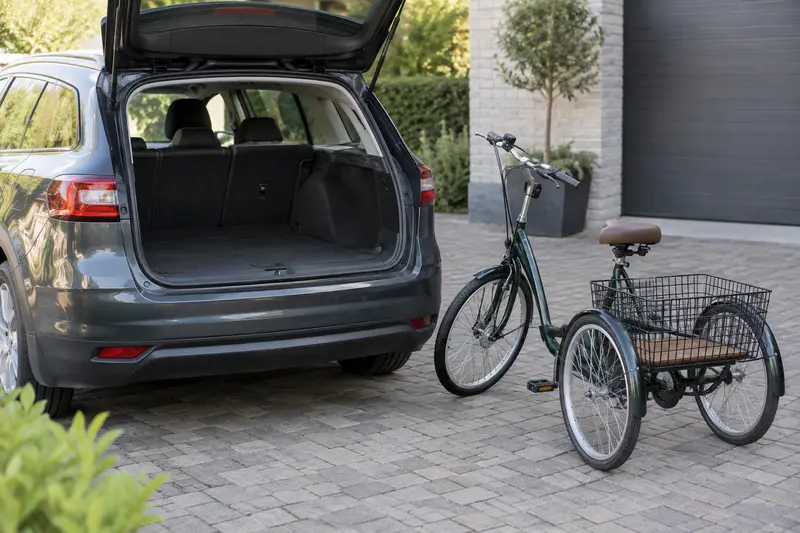
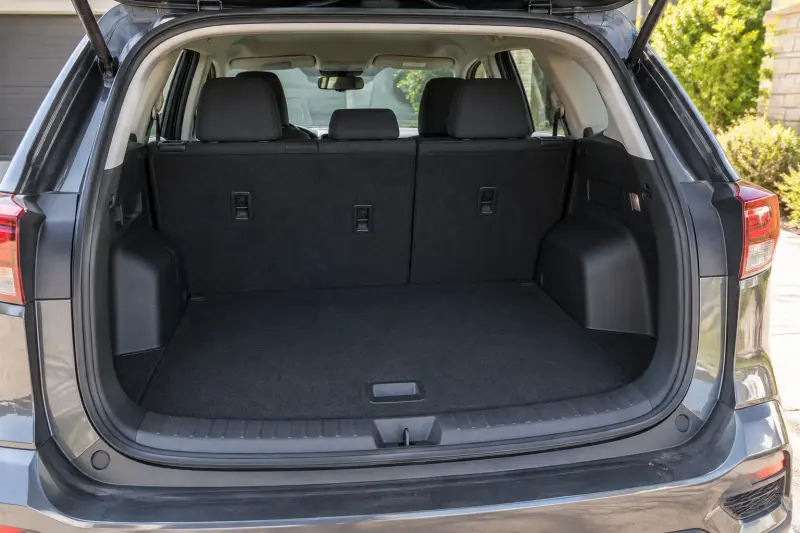
Record the vehicle’s loading opening, internal height, floor length and wheel-arch spacing. Add the space taken by seats, passengers and essential luggage. A folded trike may fit the widest part of the boot but fail at the opening. Draw the angle at which it would enter, without assuming you can tilt it safely to gain clearance.
Ask the vehicle and trike suppliers about the proposed loading and restraint arrangement. Do not use a standard two-wheel bicycle rack simply because a trike has familiar tyres. The combined rack rating, vehicle limits, wheel support and frame securing requirements need explicit confirmation for the particular setup.
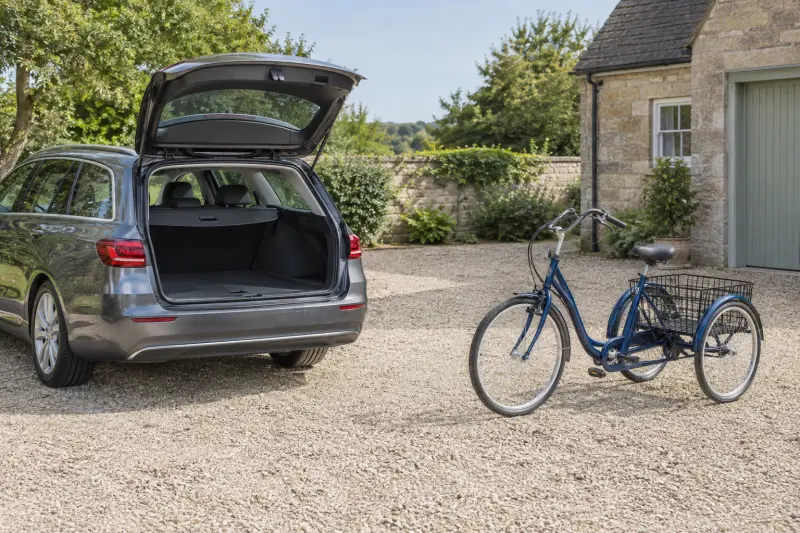
Begin with the vehicle that will actually be used for the outing. A published luggage volume is not the same as a usable loading shape. Note the opening, the internal floor, protrusions and the position of seats that must remain available. Record whether the trike will travel with a passenger, other luggage or equipment. Those ordinary conditions belong in the comparison from the start. An empty vehicle in a promotional photograph may represent a different journey from the one the household intends to make.
Keep opening measurements and internal measurements in separate rows. A folded object can fit a rectangular space once inside but still be difficult to pass through the entrance. Conversely, a generous opening does not establish enough floor space or suitable restraint points. Ask the vehicle and trike suppliers about the proposed arrangement rather than using tilt or rotation to turn a paper fit into an improvised loading technique. Draw the intended orientation and explain which dimensions are confirmed and which remain estimates.
For a hypothetical example, a household measures enough boot length with the rear seats folded. It then remembers that a passenger must use one of those seats during every planned outing. The relevant load space is now different. Another household has ample internal space but a narrower rear opening. Neither situation is resolved by citing the car's total cargo volume. Record the actual passenger arrangement and opening, then ask about an approved loading plan. The transport question is unfinished until handling and securing are addressed as well as dimensions.
A rack is a separate system with its own vehicle, load and attachment questions. Familiar-looking bicycle tyres do not make an adult trike compatible with a carrier intended for two-wheel cycles. Ask the rack maker about the exact trike shape, support, rating and mounting method, and the vehicle supplier about the proposed installation. Keep any required regional road-use requirements with that discussion. Do not modify a rack, invent a strap path or depend on a generic social-media demonstration as evidence that the combination is permitted.
Separate dimensions from handling
Lectric’s current XP Trike2 listing distinguishes bike weight without its battery and battery weight. That distinction is a prompt to request the actual transport configuration, not evidence that an individual can lift it. Ask what must be removed, what tools are needed and which approved handling points are used.
For an illustrative scenario, two people can fit the folded shape in a vehicle but neither can control the final lift comfortably. The transport plan is still unresolved. A suitable assisted loading method or a different vehicle may answer it; buying a smaller basket will not. Avoid trying an improvised lift to prove a purchase can work.
A folded vehicle may be compact without being easy for the household to handle. Ask for the mass of the complete riding arrangement, the proposed transport arrangement and any parts removed under the exact instructions. A published battery-free figure does not describe every configuration. The distinction is useful only when the buyer knows which item will be moved at each stage and how the maker permits it to be handled. A smaller folded rectangle does not answer who can control it during loading.
Describe the proposed assistance honestly. Will one person travel alone, will another person always be present, and is help available at the destination? A loading routine that depends on two people cannot be treated as a solo routine because it worked once with a dealer. Do not use a showroom demonstration to establish an individual's lifting ability. Where handling capability is uncertain, seek appropriate advice and a supplier-approved arrangement rather than choosing a vehicle weight based on a general online rule.
Imagine a hypothetical transport plan in which removing the battery reduces one handling item but introduces a separate component that needs appropriate storage and care. The next question is not simply how many kilograms have been removed. Ask whether removal is intended for this routine, where the component is placed, how connections are protected according to the instructions and how the vehicle is restored. If the buyer cannot complete the remaining handling task, the numerical reduction has not solved the plan. Record the whole sequence rather than celebrating a lighter headline.
A ramp or assisted loading system also needs exact compatibility, instructions and capacity confirmation. Do not treat it as a generic answer that eliminates all handling questions. The approach space, vehicle opening, support points and securing arrangement still matter. Ask who demonstrates the approved setup and who supplies or installs it. Compare that complete scope with another vehicle or delivery arrangement. Keep speculative accessories out of the order until there is a documented reason for them and a confirmed method for the combination being considered.
Include folding and restoration at both ends
A realistic rehearsal starts with the ready-to-ride trike and ends with it prepared for use again. Time is less important than understanding every operation: power handling, component removal, folding, lifting or ramping, restraint and the reverse process. Have a dealer explain the correct checks before riding after transport.
Lectric’s manual library identifies separate trike generations and regional manuals. Match the instructions to the actual vehicle rather than following a social video of a similar frame. Store removed parts so they cannot be lost or damaged during the journey. If the procedure requires help, confirm that help is available at the destination too.
Write the transport routine in both directions. The first list begins with the trike ready for an ordinary ride and ends with it secured for the journey. The second begins at the destination and ends with the trike restored and checked under its owner instructions. Include the storage of removed components, approved folding operations and the availability of any needed help. Do not reproduce electrical, hinge or restraint steps from another model. The worksheet should point to the exact manual and supplier explanation.
Ask what happens if the vehicle is unloaded somewhere different from the demonstration setting. A car parked on a slope, a crowded loading area or a destination without an appropriate place for the approved operation introduces a new question. Describe the expected location to the supplier rather than assuming the process transfers unchanged. The household may need a different destination arrangement or a different way to make the outing. Transport convenience is about completing the routine at both ends, not simply leaving home with the trike inside the vehicle.
For a hypothetical family, the outward journey appears straightforward because two people load the vehicle at home. At the destination, one person leaves in a different car, so the return plan lacks the same assistance. The transport worksheet reveals that gap before an outing is booked. It does not prescribe a replacement lifting method. Instead, the family can arrange the needed help, ask about an approved alternative or reconsider how the trike will travel. A feature that works only under unavailable conditions does not meet the ordinary use case.
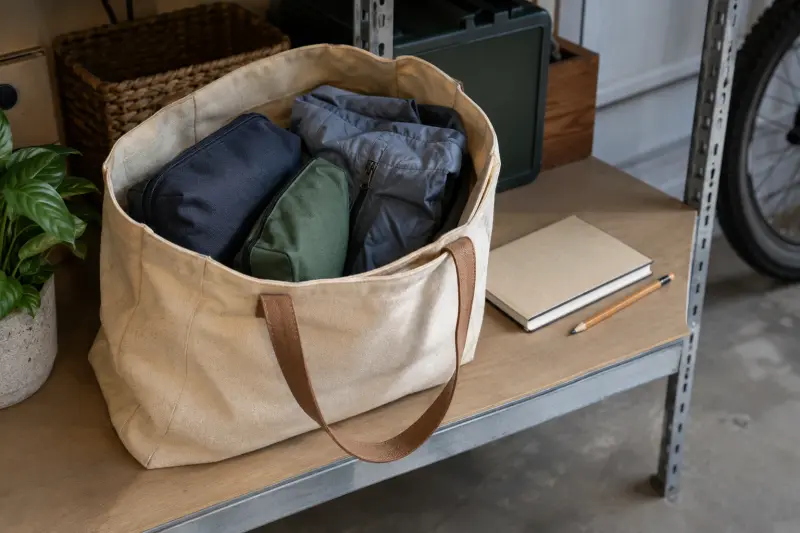
Keep loose parts, keys and required tools together in the arrangement the maker allows. Ask how to identify them and where the exact instructions should be kept for offline access. If a component is missing or the restored vehicle differs from the demonstrated setup, seek supplier guidance before riding. Do not improvise a hinge latch, substitute a fastener or assume that a nearly closed mechanism is ready for use. The buying decision should include a clear handover on restoration and checks, with unresolved technical questions left to the appropriate provider.
Build a transport task worksheet
Write four boxes: fits through the opening, can be handled as instructed, can be secured correctly, and can be restored to riding condition. Put an unresolved question in any box lacking a demonstration or supplier confirmation. A yes for folded dimensions cannot compensate for a no on restraint or handling.
Consider how often transport will happen. A complex folding routine might be acceptable for occasional planned trips but inconvenient for a weekly outing. Compare local riding, dealer-arranged delivery or another vehicle arrangement before buying transport accessories. Choose the solution around the journey you want, rather than expanding a purchase to justify a folding feature.
The four-box worksheet prevents dimensions from dominating the decision. Each box needs its own answer: passage through the opening, approved handling, correct securing and restoration to riding condition. Add who confirmed the answer and which vehicle, trike and accessory versions it applies to. A yes in three boxes does not cancel an unresolved securing arrangement. Likewise, a rack with a sufficient headline rating is not complete evidence if the maker has not confirmed how it supports the three-wheel configuration.
Use statuses that preserve uncertainty. Measured means the opening or space has been recorded; demonstrated means the relevant task was shown under the appropriate instructions; maker-confirmed means the proposed combination has supporting documentation. These are different from a salesperson's estimate. The worksheet is not a certification or a numerical safety score. Its purpose is to make the next evidence request clear and stop a favourable impression of one feature from concealing another important unanswered question.
A hypothetical buyer compares occasional holiday transport with a weekly local outing. The same folding routine might be acceptable for the first after all required arrangements are confirmed, yet inconvenient for the second because of repeated handling and preparation. Write the expected frequency beside the task list. Ask which operations will recur and whether help will be available each time. This is a preference and practicality comparison, not a claim that a particular number of folding steps is universally too many.
Before ordering accessories, compare the complete choices. These may include riding locally, an appropriately supported vehicle-loading plan, a maker-confirmed carrier or dealer-arranged delivery for a particular trip. Each has its own scope and limitations. Do not buy a rack or ramp merely to make the folding feature feel worthwhile. If transport is essential and any of the four boxes remains unresolved, leave the order open. A useful buying decision can select another arrangement or postpone the purchase when the necessary journey cannot yet be completed as instructed.
Compare transport quotes as complete systems
Obtain a written description of everything a proposed transport arrangement requires. Identify the exact rack, ramp or loading accessory, who supplies it, what installation is included and which vehicle and trike it is intended to serve. Ask whether any component has to be bought separately and what documentation confirms the combination. A low accessory price is not the complete cost of a setup if installation, additional equipment or a different vehicle arrangement is still unresolved. This guide does not estimate current prices or promise compatibility.

Separate purchase, installation and recurring tasks. A system might be supplied once, yet need approved assembly or removal at each outing. Another might remain attached to the vehicle but affect its use for other household journeys. Ask the makers about those practical consequences. Include storage for the transport equipment when it is not in use. A carrier that solves one outing but has no convenient storage place can create another ownership problem. Compare the arrangement as part of the household routine, not only as an object in a catalogue.
For a hypothetical quote comparison, offer A names an accessory and delivery but leaves fitting to the customer. Offer B includes an installation appointment and demonstration for a specified vehicle, subject to documented limits. Clarify both scopes before comparing totals. An installation label does not automatically include personal handling assessment or approval for every trike. Ask which questions the provider will answer and which require another source. Keep any legal road-use or vehicle requirements explicit for the relevant jurisdiction.
Read the applicable return and warranty terms before ordering a transport system. An installed item or a made-to-order fitting may have different terms from an unopened accessory, while statutory rights remain a separate local matter. Ask what happens if the supplier's confirmed combination cannot be fitted as described. Save the specification and written answers with the order. The aim is an explainable complete arrangement, rather than an accessory basket assembled from individually attractive products whose joint use nobody has confirmed.
Keep a transport record for the next outing
Store the relevant documents together: the exact trike manual, the vehicle or carrier documentation, the supplier's combination confirmation and the final transport worksheet. Note the identifiers and revisions where available. Keep this folder private and available offline. A retailer link or saved promotional image may change, and it rarely provides the full process. The record should let the household find the correct source without guessing which video or similar-looking model originally supplied the advice.
At handover, ask for the approved routine to be explained in the agreed conditions. Identify which assistance and equipment are needed at both ends. Ask what checks the maker requires after transport and whom to contact if a component, attachment or control is uncertain. Do not request an improvised shortcut to reduce the appointment time. A clear explanation of the actual arrangement is more useful than a demonstration that makes the folded trike look easy to carry for a few seconds.
Review the plan whenever a relevant element changes. A different vehicle, rack, battery, basket or destination can affect dimensions, mass, securing or restoration. Reuse the worksheet to identify the changed question and seek the appropriate confirmation. Do not carry forward approval for one complete system as though it applies to every later accessory. The same principle applies to a used purchase whose original transport equipment is no longer present or whose exact model is unclear.
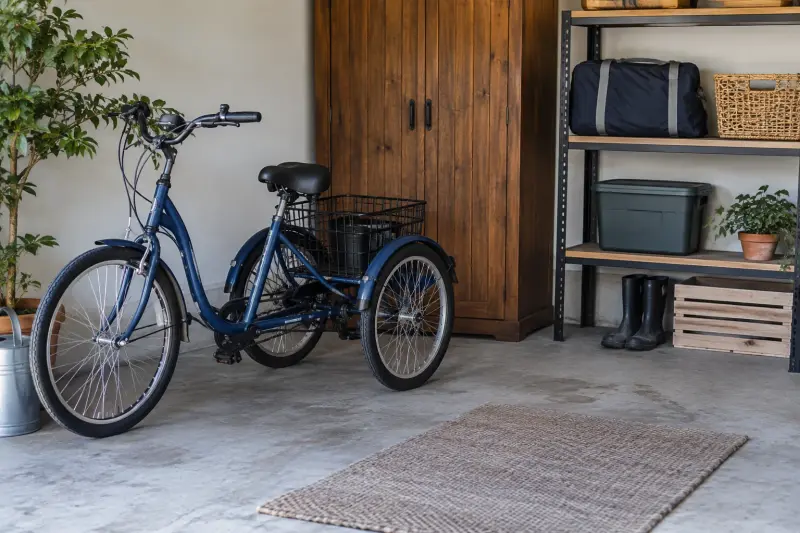
If the arrangement remains uncertain, choose a different plan for the outing while seeking advice. Folding is a useful feature only when the complete routine is understood and practical for the intended household. This guide provides buying questions and hypothetical examples; it does not establish lifting capability, certify a restraint system or authorize a rack modification. The considered purchase is one that supports the journey with documented instructions and available help, including the option to travel without transporting the trike.
MAKE THE SPEND MEANINGFUL
Before adding to the basket.
- Keep rides local if transport is only an occasional preference.
- Price an approved loading arrangement before buying a trike plus incompatible rack.
How this guide was prepared
AI-assisted editorial research, checked against the linked primary sources. Product testing and a credentialed individual review are not claimed.
source-checked editorial; no hands-on testing or expert suitability assessment claimed
How we use sources and AI assistance ↗Sources & fact checks
The guide separates sourced facts from editorial questions and examples. We have not claimed hands-on product testing. How we use sources and AI assistance.
Found an error or an outdated detail? Contact the editorial team.