

In brief
Compare evidence as carefully as the asking price. Identify the exact generation, ownership history, battery and charger, modifications, manuals and available support. Arrange an appropriate independent inspection where needed. A used trike with unresolved electrical or mechanical history is not automatically a useful saving.
IN THIS GUIDE
Establish what is being sold
Ask for the exact make, model generation and configuration, not simply the family name. Compare photographs and labels with official manufacturer information. Request the available purchase record and clarify whether the seller is a private owner or a business. Those details affect which questions you ask about condition and terms.
Lectric’s manual library lists XP Trike1 and XP Trike2 separately. That illustrates why a current new-model page should not be used to fill gaps in an older sale description. Record every nonstandard component or reported repair. A familiar paint colour does not establish the motor, control system or battery fitted to a used vehicle.
Begin the enquiry with the unit being offered. Record the make, model generation, regional version and actual fitted equipment. Ask for photographs of the relevant labels privately, without requesting unnecessary personal data. Compare those details with the manufacturer's documents. A seller may know the product only by its family name, so leave the identity question open until the appropriate source resolves it. A familiar frame shape or paint colour is not sufficient evidence of the battery, controls or configuration.
Ask what documentation exists: original purchase record, owner manual, maintenance information and records of reported repairs. Treat missing records as unknowns, not proof that nothing happened. A tidy appearance does not establish a complete history. Conversely, an older vehicle with clear documents still needs appropriate condition assessment and a support plan. The objective is to understand the actual offer before deciding whether its asking price represents a useful saving. Do not substitute the current new-model specification to fill gaps in an older sale. Ask whether any accessories shown are included or belong to the seller separately. An empty basket, different seat or missing key can change the actual scope, so list supplied items explicitly rather than relying on the advertisement photograph.
For a hypothetical advertisement, the title says XP Trike while the photographs show a unit whose generation is unclear. The seller supplies a link to the newest model page. The buyer asks for the actual model identifier and matching manual, because Lectric lists different trike generations separately. If the identification remains unclear, the buyer does not assume the latest functions or dimensions. They can seek a qualified provider's help or decline the offer. An incomplete identity record cannot support a reliable comparison of parts, controls or local service.
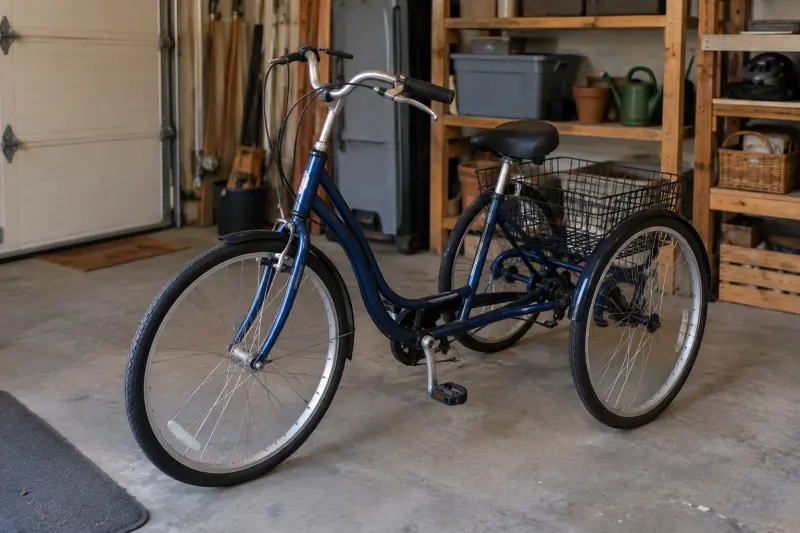
Keep the seller's status visible: private owner, retailer or another business arrangement. Ask who is responsible for the sale, which written terms apply and what support is included. The appropriate consumer-rights questions depend on the jurisdiction and transaction; do not import a retailer's voluntary trial into a private sale. Save the advertisement and written answers privately. If the description changes or a different vehicle is offered at collection, revisit the identity and scope rather than treating the original discussion as approval for the substitute.
Give electrical history its own decision
The UK government cautions that the history of used e-cycle batteries may be difficult to establish and advises authorized replacements. A seller’s statement that the battery charges is not a complete condition assessment. Ask about its origin, any damage, storage history and the actual supplied charger, then take unresolved questions to the maker.
For a hypothetical offer, the frame looks tidy but the charger has no identifiable model and the seller cannot explain its origin. Do not subtract an estimated charger price and declare the deal resolved. Establish the approved system and any needed assessment before deciding whether the purchase still makes sense.
Give the electrical combination a separate evidence row. Ask which battery and charger are supplied, whether they are original or replacements, and what manufacturer confirmation applies. The UK guidance warns that the history of a used battery can be difficult to establish even when damage is not visible. A seller's statement that it charges or still shows a high display level is not a full assessment. Seek the maker's or an appropriately qualified provider's guidance when origin, condition or compatibility is uncertain.
Avoid turning an unknown into a speculative small cost. A buyer might think that an unidentified charger can simply be replaced after purchase, but the rest of the combination and any consequences of previous use still need clarification. The correct task is establishing the approved system and the appropriate assessment, not subtracting an invented replacement price from a bargain. Do not open a battery, test an unsupported charger or accept a modified pack as a shortcut. A connector that fits does not establish approval.
For a hypothetical offer, the frame has clear identification and the seller has some maintenance records, but the battery label differs from the part described in the manual. Ask for exact-maker confirmation and appropriate advice before use or purchase. The difference may require a documented explanation; the website cannot resolve it from photographs. If the seller cannot provide information, keep the electrical condition and provenance unresolved. An attractive overall price should not cause that row to be folded into a general good-condition description.
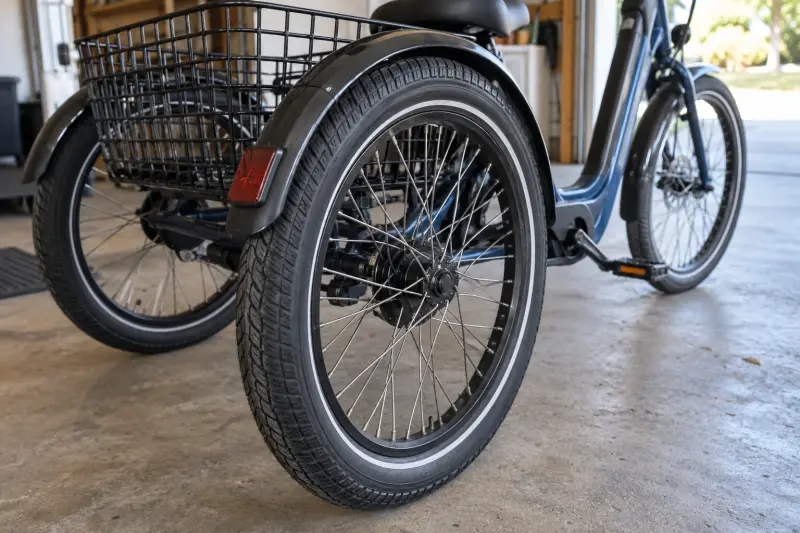
A new vehicle also deserves the complete-system check. Ask which battery and charger come with the order and which regional instructions apply. Newness is not permission to skip identification, charging-location planning or recall information. Compare the supplied system and handover against the used offer using the same questions. That makes the comparison fair without claiming that all new equipment is suitable or all used equipment is unsuitable. The decisive issue is the actual documented combination and the support available for it.
Arrange assessment without improvising a test
Ask a suitable dealer or technician whether they inspect the exact model and what their scope covers. Provide the sale description in advance. A mechanical inspection, battery advice and rider demonstration are different tasks; a brief ride by the seller cannot replace them. Confirm whether the proposed inspection is independent of the sale.
Search official recalls using the manufacturer and exact product identification. The US CPSC recall database is one relevant source for US products; use the corresponding authority in other markets. A recall search is part of the evidence record, not proof that an item with no search result is safe or that all past repairs were performed correctly.
Contact the proposed inspector before travelling to see the sale. Give the exact model, generation, known modifications and available documents. Ask whether the provider handles that unit and what the inspection covers. Mechanical condition, electrical advice, recall checks and a rider demonstration are different tasks. Do not assume that a quick bicycle service includes every one of them. Confirm independence from the sale where that matters, the appointment process and any transport arrangement required to get the trike to the provider.
Ask for the findings to distinguish observed condition from work still requiring investigation. A written record can identify a question or a necessary repair without promising that no future fault will occur. The guide does not prescribe a technical inspection checklist or certify a vehicle through a photo review. A seller's brief ride demonstrates neither a comprehensive condition assessment nor personal suitability for the buyer. Rider fit, controls and any required professional advice remain separate even when the vehicle has been appropriately inspected.
For a hypothetical purchase, the provider can examine ordinary mechanical components but cannot assess the particular electrical system. That is useful information: it tells the buyer which question needs another source. Do not interpret the limited inspection as a complete pass because the document is written on professional letterhead. Ask the maker about the remaining electrical issue or find an appropriate provider. If the required assessment cannot be arranged, the buyer can leave the offer open or decline rather than adopting the unknown as a risk hidden inside the price.

Use the relevant official recall authority for the market and exact product. CPSC's US database is one source, but a search result is not a safety certificate. A product without a result may still have unresolved condition or modification questions. If a recall applies, follow its actual instructions and confirm the appropriate next step with the responsible source. Keep the date, identifier and evidence privately with the inspection record. Do not assume the seller completed a past remedy merely because the vehicle looks unchanged.
Compare a ready-to-use scope
Make two columns, new and used, with rows for identity, inspection, approved electrical system, necessary repair, delivery, warranty position and local service. Mark unknowns rather than turning them into zero-cost assumptions. Ask whether any warranty transfers; do not assume the original owner’s cover follows a second-hand sale.
A used purchase can be worth investigating when the complete evidence and support are clear. A professionally documented older vehicle may be more useful than an unexplained bargain, while a new one may suit someone who needs a simpler handover. Take time to compare the whole scope and decline either option if important questions remain unanswered.
Compare a complete ownership scope rather than two asking prices. For the used option, list known purchase cost, appropriate inspection, documented required work, approved electrical equipment, delivery and the local support arrangement. Leave unknown costs unpriced until quoted. For the new option, use the same rows, including assembly and handover. A new price that excludes delivery or setup and a used price that excludes needed work are not yet comparable totals. This website does not estimate current repair or replacement prices.
Keep warranty and support in different rows. A warranty may have conditions about the purchaser, term and covered parts; ask whether any existing coverage transfers to this sale and obtain the exact document. Local service can still be needed where a warranty applies, and paid service availability does not create warranty coverage. Ask how a claim would begin and who handles any transport. A statement that the buyer is covered should be expanded into the applicable parts, process, costs and eligibility rather than accepted as a universal promise.
A hypothetical buyer finds a low-priced used trike whose identity and inspection are clear but whose electrical history and service route are not. They should not calculate a saving by assigning zero to both unknowns. Another offer may have a higher asking price with a more complete documented scope. Compare the evidence and obtain necessary quotes before deciding. A lower upfront payment can be useful when the complete arrangement is understood; it is not inherently better value when important responsibilities remain unanswered.

A new order can be worth considering for a clearer handover and documented support, while a properly evidenced used offer can deserve investigation. Neither category is the automatic winner. Keep the intended journey, rider demonstration, storage and regional rules alongside the condition comparison. If the required arrangement is not yet affordable, waiting or choosing another transport option is a valid decision. Do not allow the desire to buy today to turn missing evidence into an optimistic assumption about tomorrow's repairs.
Check the transaction, warranty and written description
Ask who is selling, what is included and which jurisdiction governs the purchase. A business offer, a private sale and a dealer-supplied used unit can raise different questions. Read the actual terms and seek local consumer advice if an important point is unclear. Keep statutory rights separate from a seller's voluntary warranty or return offer. This guide does not provide a universal legal rule for every used transaction, and a current new-product page cannot answer the terms of a different seller's offer.
For US purchases, the FTC's warranty guidance is useful for distinguishing a written warranty from a separately sold service contract and identifying coverage, labour or shipping questions. Ask whether the document applies to the present buyer and unit. For a UK purchase, use the relevant consumer guidance for the actual transaction rather than applying a US manufacturer's wording as a complete statement of legal rights. A seller's as-is phrase or a long warranty headline deserves appropriate local clarification where it affects the decision.
A hypothetical dealer offer includes a used trike, a stated inspection and a short support commitment. Ask what the inspection covered, what the support commitment includes, where problems are reported and what the buyer pays for transport or work outside that scope. Do not assume the commitment equals the original manufacturer's warranty. A private owner may have no comparable service arrangement, so compare that difference honestly. The written description should identify the actual unit, included components and any disclosed modifications or known issues.
Before payment, save the advertisement, terms, answers and agreed collection or delivery arrangement. Use appropriate payment practices for the actual seller and transaction without publishing private account details. If the seller declines reasonable identification or evidence questions, keep the purchase open rather than treating urgency as reassurance. A considered used purchase needs time for clarification. The goal is a transparent complete offer, with the relevant local rights understood and no invented promise of a risk-free bargain.
A final new-versus-used evidence review
Return to the intended journey after reviewing the sale evidence. Does the actual configuration answer the required storage, controls, rider demonstration and route questions? A well-documented older trike may still fail an essential practical requirement, just as a new one may. Keep condition evidence and personal suitability separate. Do not buy solely because the asking price is attractive or the inspection was thorough if the household cannot complete the ordinary ownership routine.

Use a final worksheet with a status beside each important row: identity, approved electrical combination, appropriate assessment, recall response, required work, warranty position, support and transport. Mark confirmed information with its source and date. Unknown is a useful status, not an embarrassment to remove. If a required row remains unresolved, identify the next action and the person or organization able to answer it. Avoid an overall score that allows several convenient extras to outweigh one important missing answer.
In a hypothetical comparison, the used offer has complete records but the workshop cannot currently support that exact model. The new offer has a confirmed service route but still needs a rider demonstration. The buyer can seek the missing answers on both rather than choosing a winner immediately. If support for the older unit cannot be arranged, the apparent saving needs reconsideration. If the new unit does not meet the person's required tasks, its support advantage does not establish suitability. Evidence is useful precisely because it can change the shortlist.
At handover, verify the unit and supplied components against the order or agreed description and obtain the exact instructions. Keep the records privately for future support. Follow the approved routine and seek guidance when a fault or uncertainty appears. This guide has not inspected the offered vehicle, checked a private seller or tested a battery. Its purpose is to help the reader compare documented complete arrangements and remain free to wait, decline or choose another way to make the intended journey.
MAKE THE SPEND MEANINGFUL
Before adding to the basket.
- Consider a documented dealer-supplied used vehicle with a clear scope.
- Keep saving instead of accepting unknown repair or battery costs.
How this guide was prepared
AI-assisted editorial research, checked against the linked primary sources. Product testing and a credentialed individual review are not claimed.
source-checked editorial; no hands-on testing or expert suitability assessment claimed
How we use sources and AI assistance ↗Sources & fact checks
The guide separates sourced facts from editorial questions and examples. We have not claimed hands-on product testing. How we use sources and AI assistance.
- Lectric: exact-model owner manuals ↗
- UK government: e-cycle battery safety ↗
- CPSC: exact-product recall search ↗
- US FTC: written warranties and separately sold service contracts ↗
Found an error or an outdated detail? Contact the editorial team.