

In brief
Build an ownership budget around your actual journeys and support needs. Separate essential compatible equipment from preferences, one-time setup from ongoing costs, and verified quotes from unknowns. A promotional package or a large headline range cannot tell you the complete cost of keeping a trike usable.
IN THIS GUIDE
Write the complete starting scope
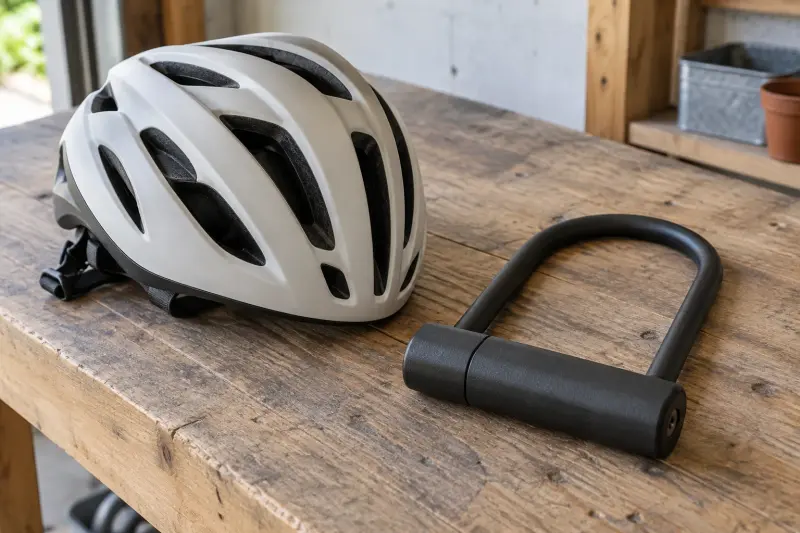
Start with the exact vehicle configuration and what the order includes. Then list any necessary helmet, approved locking arrangement, storage changes, delivery or assembly. Keep optional seats, baskets and appearance upgrades in a separate column. An item offered in a promotion should still serve an actual need before it enters the essential budget.
Ask for dated local offers and the delivered total, including applicable tax and charges. This guide deliberately provides no assumed price or universal affordable threshold. Keep your available budget private; you can ask providers for a clear scope without revealing personal financial information to an online tool.
Define the purchase before comparing totals. Record the exact regional vehicle, battery, fitted cargo equipment and included components. Ask whether assembly, delivery and an operating explanation are part of the offer or separate services. A family-name price can hide a different configuration from the one discussed. Keep the written scope with the quote date and ask the seller to clarify a substitution before assuming the advertised total still buys the intended arrangement.
Split the starting list into necessary for the documented routine, optional preference and unresolved. A correctly selected helmet, appropriate locking arrangement or required delivery service may belong in the first column once its exact requirements are known. A second basket, appearance upgrade or spare battery may belong in another. Do not make an item essential simply because it is bundled or discounted. Conversely, a required compatible component should not be omitted to make the initial total look more affordable. The categories should reflect the actual journey and instructions.
For a hypothetical budget, a buyer initially lists only the vehicle payment. The room and route review then reveals that storage, assembly and workshop transport still need clarification. The buyer requests separate local scopes rather than estimating each at zero. Another household already has suitable storage and a confirmed delivery arrangement, so its starting list is different. This is why a universal ownership budget can be misleading. The guide does not publish an average price or tell every reader to buy the same accessories.

Keep private financial information out of a public planning form. You can ask a provider for a clear delivered scope without publishing an account balance, income or health details. Label each amount as confirmed quote, estimate or unknown, and use the purchasing currency consistently. Tax, charges and applicable order terms need to come from the actual offer. Keep quote dates and the purchasing market visible. An overseas amount in another currency may exclude services and obligations included in a local offer. Do not compare it as an equivalent delivered total without asking the actual providers for the relevant scope. If an offer expires before the outstanding questions are answered, request an updated quotation rather than keep an obsolete amount in the confirmed column. The budget should reflect the order that can actually be placed, with its terms understood. A useful starting budget explains what the payment covers and which essential questions remain. It is not a forecast of affordability for an individual household.
Map ongoing ownership tasks
List routine maintenance, replacement consumables, transport to a workshop, any relevant insurance and eventual approved battery replacement. Ask the manufacturer what maintenance is required and which costs are covered by a particular service agreement. Treat electrical replacement compatibility as a separate check, not an invitation to choose the cheapest advertised battery.
Lectric’s service-network page describes its support-first process for problems. A local owner budget therefore needs to consider both manufacturer contact and workshop transport where required. Confirm current local service charges rather than assuming a network listing means every visit is free or every part is immediately available.
Ongoing tasks need a separate list from the initial equipment. Ask the maker about the exact maintenance requirements and authorized support route, then obtain appropriate local scopes where a provider is needed. Record ordinary consumables, technical work and workshop transport as different questions. Do not invent how frequently a component will fail or require replacement. An ownership budget is more honest when it distinguishes a known commitment from a future possibility that has not been assessed or quoted.
A service directory does not establish that every job is available or free. Lectric's network page illustrates a support-first process for its customers; the household still needs to clarify the actual local work and transport arrangement. Ask who handles a warranty enquiry and which parts, labour or travel responsibilities apply. Keep a paid service plan separate from included warranty cover. Compare the exact additional task it addresses instead of treating a longer marketing term as proof that the entire ownership cost is settled.
For a hypothetical owner, the workshop is nearby but the trike cannot be ridden when a particular issue arises and cannot be loaded into the household car under an approved arrangement. A collection question belongs in the budget even if no fault is currently present. Obtain the relevant provider's scope rather than predict a breakdown. Another owner may have an appropriate transport arrangement already confirmed. The costs and practical assumptions differ, so the guide should not assign both an identical monthly maintenance figure.
Include approved replacement support without turning it into a shopping recommendation. A future battery or charger requires exact manufacturer authorization; the cheapest marketplace offer is not a reliable budget substitute. Ask where current approved parts are identified and how the maker supports the model. Keep prices unverified until an actual quote is obtained. A clearly supported simpler configuration can deserve consideration over a feature-rich one with unanswered ownership tasks, provided the necessary rider, route and storage requirements are also resolved.
Use an estimate only for the question it answers
If you estimate charging electricity, identify the approved battery, a documented energy figure and your own tariff. Keep the calculation labeled as an estimate; battery capacity alone does not include every charging loss or establish how often you will recharge. Ask the supplier about the information needed rather than inventing a monthly consumption figure.
For a hypothetical comparison, option A includes required assembly while option B leaves it unquoted. Put assembly in B’s unknown column rather than entering zero and declaring B cheaper. Apply the same approach to collection for repairs. An unknown can change the decision even when the equipment prices look similar.
An electricity estimate answers a limited arithmetic question. It does not establish personal range, charging frequency or total ownership cost. Identify what the maker's documented energy figure represents and which additional information would be needed for an actual charging estimate. Use the household's own tariff privately and label assumptions clearly. Battery capacity by itself does not describe every charging loss or how often the planned journey will need charging. Avoid a precise-looking monthly figure built from unsupported usage assumptions.
If the household wants a worked calculation, use stated hypothetical inputs without presenting them as product measurements. For example, an assumed energy amount in kilowatt-hours multiplied by an assumed tariff gives an illustrative charge-cost calculation. It does not prove that an exact battery draws that amount from the socket or that a rider will recharge on a fixed schedule. Ask the supplier which information is available for the actual system. Keep this small estimate separate from required setup, service and transport, which can change the decision for different reasons.
A separate arithmetic check prevents counting the same service twice. In a hypothetical offer, the delivered total already includes assembly, while a separate quotation shows what assembly would cost on its own. The buyer asks which scope was actually accepted before adding both figures to the budget. Similarly, a deposit credited toward the final equipment price is not an extra price added on top, although its payment date matters. Obtain the actual terms; do not assume every upfront payment is credited or refundable.

Do not derive a savings promise from replacing other transport. The household may still use a car, public transport or delivery for some journeys, and the trike's actual role needs to be understood. This guide provides no payback forecast or claim that ownership will save a certain monthly amount. Keep calculations tied to their stated assumptions and intended question. A modest, transparent estimate is more useful than a precise-looking financial story built to make the purchase appear inevitable.
Use three totals and an uncertainty list
Calculate confirmed startup cost, quoted recurring commitments and optional extras separately. Add a list of unresolved costs with the person who can answer each. Revisit it before ordering, after delivery and when your route or storage changes. The purpose is understanding commitment, not predicting earnings or promising a particular lifespan.
Choose a configuration that answers the intended journey within an understood scope. A smaller accessory list, suitable existing storage or local riding may reduce unnecessary spending. If essential support or compatibility is uncertain, pause the purchase rather than using finance to conceal a gap in the budget. A clear no-purchase decision can be the useful outcome.
Use three subtotals: confirmed starting scope, known recurring commitments and optional extras. Do not collapse uncertain future work into a guaranteed monthly average. Add an uncertainty list with the task, provider and next action. An item can move into a confirmed subtotal after the exact scope and cost are supplied. This keeps the budget adaptable without pretending that all future ownership expenses can be forecast before purchase. It also makes the reason for an optional accessory visible.
For a hypothetical shortlist, one vehicle offer is lower initially but requires unquoted assembly and an unclear support route. Another has a higher equipment total with an explained delivery and handover scope. The buyer asks for the missing answers before comparing complete starting costs. They then check recurring commitments and the practical service arrangement separately. The guide does not choose either offer from the limited information. It shows why an incomplete scope should not be declared better value simply because its first number is smaller.
If payment options are offered, request their complete written terms and total commitment instead of judging only a monthly payment. Keep the finance decision separate from product suitability and seek appropriate financial or consumer advice if a material question is unclear. A payment arrangement cannot resolve an incompatible battery, missing storage plan or unavailable local support. This article does not recommend borrowing, calculate personal affordability or provide a universal threshold for what the reader should spend.
Before ordering, compare the final configuration and written scope with the budget record. If an accessory or service is substituted, revisit the relevant subtotal and practical question. Keep receipts and instructions privately after handover. Review the record when journeys or storage change. The useful outcome may be a smaller purchase, a simpler accessory list, another arrangement or waiting until essential commitments are understood. A deliberate no-purchase decision is valid when unresolved ownership questions would otherwise be hidden beneath a persuasive payment offer.

Audit a promotional bundle by task
List every included item in a promotion and give it a purpose beside its name. Does it serve a confirmed ordinary task, duplicate existing equipment or introduce a new compatibility question? An included basket may be useful only after its exact loading and storage implications are understood. A spare battery requires approval and another handling and charging arrangement. A decorative item can remain a preference. The bundle's advertised value does not establish that each part is necessary for this household.
Compare the complete quoted configuration with an option that includes only the required equipment. Ask whether accessories can be omitted or chosen separately and what changes in the written scope. Do not assign a resale value to unwanted items unless there is actual evidence relevant to the transaction. Likewise, an included service needs a defined scope before it can be treated as a saving. Assembly, handover and routine maintenance are different tasks even when all appear under a broad support label.
For a hypothetical promotion, a buyer is attracted by several cargo accessories but normally carries a modest load and has tight storage. The extra equipment changes the parked shape and raises questions about the approved arrangement. The buyer compares a smaller documented setup before ordering. Another buyer has a specific confirmed carrying task that one included item serves. The same promotion can have different practical value for them. Neither case justifies a universal declaration that a bundle is a bargain or that buying separately is always cheaper.
Keep the expiry or promotional language from deciding unresolved technical and personal questions. Obtain the required evidence first and use current checkout terms for the actual purchase. This guide does not report live discounts, inventory or commission relationships. Its role is to help the reader distinguish a useful included item from an unnecessary commitment. A focused order can feel complete because the ordinary tasks are answered, even when it contains fewer accessories than the photograph on the sales page.
Build a transparent comparison using hypothetical totals
Use an example with openly hypothetical currency units to practise the comparison. Suppose offer A includes the required vehicle, assembly and agreed delivery for a total of fourteen hundred units. Offer B lists the vehicle at thirteen hundred and fifty units, while the needed assembly and delivery are later quoted at one hundred and twenty units. B's confirmed starting total becomes fourteen hundred and seventy units. These are invented teaching inputs, not observed prices, offers or an estimate for a particular model or country.
The arithmetic does not decide which arrangement should be purchased. Ask whether both offers describe the same required configuration and whether rider, route, storage, battery and support questions are resolved. A lower complete total can be relevant only after the scopes are understood. If a necessary component or service remains unknown, the comparison is still unfinished. Keep that question separate from the calculation rather than adding a guessed number merely to produce a winner.

Next list recurring commitments that are actually quoted, such as a chosen service arrangement, and keep unquoted future possibilities in the uncertainty record. Do not turn a possible replacement into a guaranteed annual cost or assume warranty work is always free. The relevant document and provider must explain the scope. Optional extras receive their own subtotal so that removing an unnecessary accessory does not conceal a missing essential item. This makes the record useful without forecasting reliability or personal finances.
Finally, ask what would change the decision. A clarified delivery route, approved replacement system or confirmed local service can matter more than a small initial difference. If essential evidence is unavailable, the buyer can wait or choose another transport arrangement. The budget is a tool for understanding commitment, not a mechanism to pressure a purchase. Keep the exact quotes, terms and source dates privately, and revise the record when the configuration or household routine changes rather than treating this hypothetical example as a market price guide.
MAKE THE SPEND MEANINGFUL
Before adding to the basket.
- Avoid bundles with accessories that do not serve the intended route.
- Use suitable existing storage and local rides where they meet your needs.
How this guide was prepared
AI-assisted editorial research, checked against the linked primary sources. Product testing and a credentialed individual review are not claimed.
source-checked editorial; no hands-on testing or expert suitability assessment claimed
How we use sources and AI assistance ↗Sources & fact checks
The guide separates sourced facts from editorial questions and examples. We have not claimed hands-on product testing. How we use sources and AI assistance.
Found an error or an outdated detail? Contact the editorial team.