

In brief
Find out who will diagnose, repair and supply parts for the exact model near your home. A map pin or brand logo does not establish appointment availability or warranty authorization. Confirm the service process, transport arrangement and responsibility for costs before treating local support as part of a purchase.
IN THIS GUIDE
Name the support you expect to need
Separate initial assembly, routine maintenance, electrical diagnosis, replacement parts and warranty work. A shop may perform one task but decline another. Write the exact model and generation at the top of your enquiry so a generic reply about bicycles does not become an assumed promise about a particular powered trike.
Consider how the vehicle will get to the workshop. If you cannot load it into your car, ask whether collection exists and how it is priced. Home service, collection and phone advice are distinct offers. An apparently nearby dealer is not a complete support plan when the trike cannot be transported there.
Write a support brief before comparing models. It should describe the intended vehicle, where the household is based and which tasks it expects a provider to handle. Initial assembly, ordinary maintenance, mechanical repairs, electrical diagnosis and warranty work belong on different lines. Ask each prospective provider which lines they accept for the exact model and generation. A shop that is happy to service ordinary bicycles may have a narrower scope for a powered three-wheel vehicle. Keep that limitation explicit rather than treating any local workshop as complete support.
Transport is part of the support brief. Describe whether the trike can be loaded under an approved arrangement or whether collection is needed. Ask where a non-ridable vehicle would be taken and which provider organizes the journey. A home visit, a collection service and telephone advice are different services. If someone in the household usually helps, consider whether that help would be available when the vehicle needs attention. The plan should not depend on assistance or a suitable car that exists only for the initial purchase.
A hypothetical buyer lives near several cycle shops and assumes service will be straightforward. On enquiry, one accepts mechanical work but not the electrical system, another does not handle that trike generation and a third needs manufacturer authorization before booking warranty work. That information is useful before purchase. The buyer can build a complete route using the appropriate sources or reconsider the model. A nearby address by itself is not proof of a workable ownership arrangement.
Keep the required tasks ahead of optional features in the shortlist. A display upgrade, larger battery or decorative accessory may be appealing, but none answers who supports the actual equipment. Ask the seller to explain the proposed support arrangement in writing, including which tasks sit with the manufacturer and which with a local provider. A useful answer names the responsible party and the process, without pretending that all future work will be free or immediately available.
Verify the process behind the directory
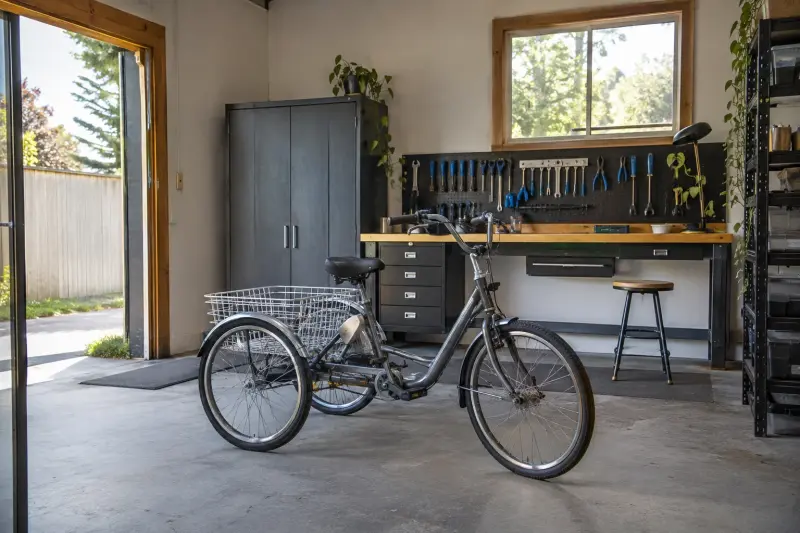
Lectric’s US service-network page directs customers with problems to contact its support team before approaching partner shops. It also says partner shops are not authorized to receive a customer’s product as a delivery address. Those are brand-specific instructions, not conditions to assume for another manufacturer.
Use a directory to find a possible contact, then ask the listed shop whether it handles your exact trike and what current booking conditions apply. Record the person or department that answered, the date and any manufacturer approval needed. Do not present the mere existence of a listing as evidence of immediate repair availability.
Treat a directory as a starting point for contact. A listed business can move, change its accepted work or have booking restrictions. Ask about the exact vehicle and current service scope rather than assuming the directory proves an available appointment. Record the response date and the department or role that answered. There is no need to publish a private staff name or personal contact. The point is a reliable record for the household, not a public endorsement of a workshop this publisher has not assessed.
Lectric's service-network instructions provide a brand-specific example of a process behind the map. The customer is directed to support first for a problem, and partner shops are not authorized as delivery addresses for an order. These details mean the buyer should understand the sequence before arranging work or changing a shipping destination. Another manufacturer may use a different system, so do not transfer Lectric's instructions into a universal rule. Ask the actual maker and provider how their arrangement works.
For a hypothetical enquiry, a partner shop confirms it accepts the model but requires a case to be opened with the manufacturer before particular work is booked. The buyer adds that step to the support map. They also ask which work the shop can quote directly and whether collection is available. A logo on a directory does not answer those questions. If the shop's response and the seller's promise conflict, seek written clarification from the responsible parties before treating support as a settled advantage of the purchase.
Keep directory information separate from verified scope. One column can show a possible contact; another can show the current confirmation. Add any authorization, appointment or transport question that remains. This distinction prevents an attractive local map from becoming a claim that every visitor has access to immediate repairs. Regional versions and purchase routes may also matter. Ask which support arrangements apply to the actual order, especially when a vehicle is imported or purchased second-hand.
Rehearse a realistic service problem
Imagine a future fault prevents riding but leaves the vehicle too large for your car. Ask the supplier how diagnosis begins, how an authorized part reaches the technician and who arranges transport. A clear answer identifies each party rather than saying you are covered. You can use this scenario before purchase without inventing a failure rate.
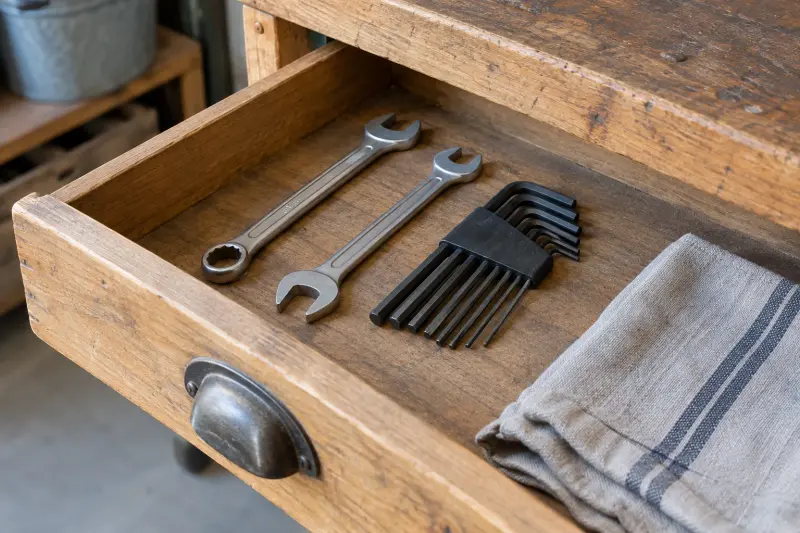
Also ask about consumable parts and the process when a model is no longer current. Request the correct warranty document and distinguish a manufacturer defect claim from ordinary maintenance. Keep quotes for any proposed service plan separate from equipment cost; compare the tasks you need rather than the length of the plan’s marketing description.
Use a service scenario to make a vague promise concrete. Describe a future issue without claiming it is likely: the trike cannot be ridden, the household cannot load it into the available vehicle, and a provider needs to identify the cause. Ask how the first contact works, who advises on the next step, who arranges transport and who authorizes work. The scenario is a question exercise, not a forecast of failure or a diagnosis. Its value is identifying responsibility before the household needs to rely on it.
Keep parts supply and workshop work separate. A provider may accept a job but need an authorized component from the manufacturer, while the manufacturer may supply a part without arranging fitting. Ask how those steps are connected and who communicates with the customer. Do not assume a spare part in an online catalogue establishes local fitting availability. If a model is no longer current, ask about the present support route and component questions rather than inventing a promised number of years of parts availability.
For a hypothetical warranty scenario, the buyer asks whether diagnosis, transport, a replacement part and labour are all covered. The answer may depend on the exact document and approval process. Record each item separately. A written warranty headline is not the same as a complete in-home service plan. For an ordinary maintenance scenario, ask for a scope and quote appropriate to the intended task rather than assuming it follows the warranty route. These distinctions make future conversations clearer without predicting costs.
If a provider offers a paid service plan, compare its actual tasks, exclusions, term and cancellation conditions with the arrangements already available. A checkout offer does not become useful because it is presented as protection. Ask which specific responsibility or cost it changes for this household and model. Keep unresolved availability questions visible. A plan that names service but leaves transport or local authorization unclear may not answer the main practical problem the buyer is trying to solve.
Keep a small support map
Your map needs three entries: manufacturer support, a confirmed local workshop and a permitted transport option. Add opening hours, the booking process and questions still unresolved. Recheck it when a business moves or the equipment changes. A printed copy can be useful when a phone is unavailable, without storing private account details in public materials.
A simpler model supported nearby may answer your needs better than an elaborate one with unclear repair arrangements. Ask for the final configuration and support scope in writing before ordering. Do not buy an extended plan merely because the retailer presents it at checkout; determine what extra work and exclusions it actually covers.
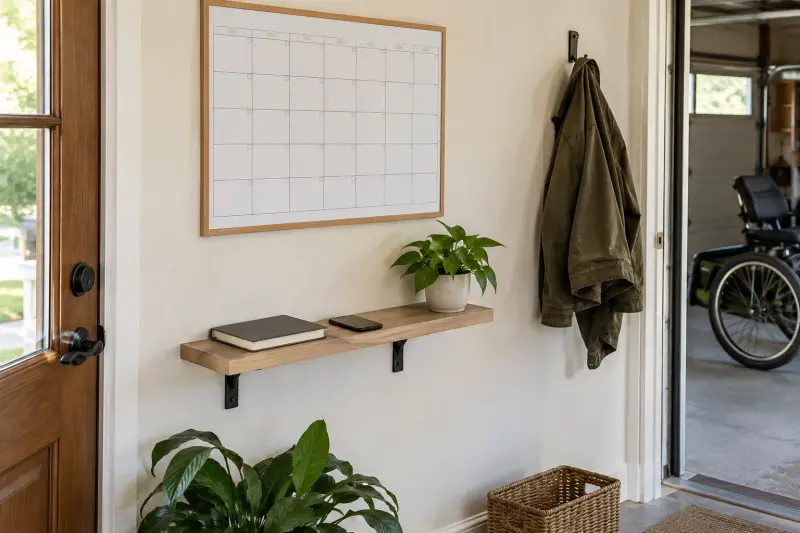
The support map needs enough information to act on, without becoming a directory of unverified businesses. Start with the manufacturer support route, one currently confirmed local provider and a permitted transport option. Add the exact model, the accepted tasks, the booking process and any authorization requirement. Record when the information was checked. Keep account numbers, purchase records and serial identifiers in a private folder instead of embedding them in a public planning tool or image.
Mark each entry as possible contact, currently confirmed or unresolved. A potential workshop can remain on the map while the buyer waits for an answer, but it should not be counted as established support. Add an alternative route if the ordinary provider cannot take the task, with its scope clarified separately. Do not describe an alternative as guaranteed emergency coverage unless that actual service is documented. This publisher has not verified appointment availability for a particular reader or contracted a repair service on their behalf.
A hypothetical shortlist has one model with several premium functions and an unclear repair route, and another that meets the required journey with a confirmed local process. The buyer can ask whether the second deserves priority, even if its feature list is shorter. That is a practical preference based on the ownership arrangement, not a universal brand ranking. If the simpler model fails a necessary fit or route question, its local support does not establish suitability. Keep all essential requirements visible together.
Recheck the map when a business changes or equipment is replaced. Follow the exact owner instructions and contact the appropriate support source when a fault or uncertainty appears. Do not open electrical components, modify controls or attempt unsupported repair to avoid a transport problem. The value of the pre-purchase map is having a documented next contact and process. It does not predict reliability, eliminate all costs or guarantee that every repair will be completed within a particular time.
Ask the workshop and manufacturer different questions
Ask the manufacturer which support route applies to the exact vehicle and purchase market. Clarify how a case is opened, when authorization is needed and what information the customer should provide privately. Ask where the current warranty and owner documentation can be obtained. If the vehicle is used or imported, identify any eligibility and regional support questions rather than assuming the original owner's arrangement transfers unchanged. The manufacturer is the appropriate source for its own procedures and approved parts.
Ask how follow-up communication works if the household prefers telephone or written information. A support page may begin with an online form, while a workshop may use an appointment system. Knowing that process in advance can make a future enquiry less confusing. Keep the relevant opening hours and regional contact route in the private map, and note that they can change. Do not promise round-the-clock assistance from a general customer-service address. The communication arrangement is another concrete part of support to verify, rather than a quality score inferred from the brand's advertising.

Editorial illustration Ask the workshop what tasks it accepts, how booking works and whether it can handle the physical vehicle on its premises. Clarify diagnosis, ordinary maintenance, authorized fitting and transport separately. A provider can answer within its own scope without making a promise on behalf of the manufacturer. If the response is generic, repeat the exact model and generation. Do not interpret an answer about ordinary bicycles as approval for a particular powered trike and electrical system.
For a hypothetical handover enquiry, the seller recommends a shop for assembly, but the shop confirms it has not agreed to receive the customer's delivery. The buyer should resolve that scope before changing the shipping address. A recommendation is not a booking, and a directory entry is not a contract. Ask who receives the item, who checks the delivered configuration, who assembles under the instructions and who explains ordinary use. Save the final arrangement with the order.
When answers conflict, identify the disputed task and ask the responsible parties for clarification. Avoid filling gaps yourself with an assumption that a helpful local business will sort everything out after purchase. A complete support route can involve more than one provider, but each responsibility needs to be understood. The buying decision is clearer when the household knows whom to contact for a specific task and what still requires confirmation, rather than holding a reassuring but undefined service promise.
Compare service cover without assuming free repairs
Read the applicable warranty before adding paid cover. The US FTC distinguishes included written warranties from separately sold service contracts and advises checking what parts, labour and shipping are covered. That is useful for a US purchase, while other jurisdictions have their own consumer-rights rules. A manufacturer document is not the entire legal position everywhere. Ask for appropriate local advice if an exclusion or dispute materially affects the purchase.
Create separate rows for diagnosis, parts, labour, travel or transport, routine maintenance and work outside the warranty scope. Put the actual document or quote beside each answer. A long term can apply only to particular components or responsibilities; it should not be summarized as years of free service. Likewise, a paid plan may duplicate some included cover while adding another service. The useful question is what extra task or cost is addressed, for the exact model and household arrangement.
A hypothetical buyer compares a plan advertised for several years with an ordinary local-service arrangement. They discover that the plan requires transport to a provider, which remains unresolved, while the ordinary arrangement includes a separately quoted collection option. The comparison now has a practical question that the plan headline did not reveal. They ask for clarification and compare complete scopes rather than choosing solely on the duration. No invented failure rate or repair price is needed to make that exercise useful.

Before ordering, keep the support confirmation, warranty and any plan terms in one private folder. At handover, verify the model and regional documentation match the record. Review the map when circumstances change. This article does not recommend a particular paid plan or promise that a service network improves reliability. It helps the reader make a supported ownership choice, including choosing fewer optional features, obtaining another quote or leaving the purchase open until the essential service and transport questions have clear answers.
MAKE THE SPEND MEANINGFUL
Before adding to the basket.
- Choose documented local support before optional premium features.
- Compare ordinary service arrangements with a paid plan’s actual extra scope.
How this guide was prepared
AI-assisted editorial research, checked against the linked primary sources. Product testing and a credentialed individual review are not claimed.
source-checked editorial; no hands-on testing or expert suitability assessment claimed
How we use sources and AI assistance ↗Sources & fact checks
The guide separates sourced facts from editorial questions and examples. We have not claimed hands-on product testing. How we use sources and AI assistance.
- Lectric: service partner network and support process ↗
- US FTC: warranty scope and separately sold service contracts ↗
Found an error or an outdated detail? Contact the editorial team.