

In brief
Ask for a supervised demonstration of entry, seating, control reach, parking and departure with the actual user. Step-through is a frame description, not a guarantee of balance or suitability. Choose a configuration only after the practical sequence and any needed professional assessment are understood.
IN THIS GUIDE
Describe how you would approach the seat
Think about where you stand when the trike is parked at home and at your destination. Write down whether you approach from the left or right, what footwear you normally wear and which items you carry. A low opening can be helpful yet still leave a pedal, basket or saddle in the way of your preferred movement.
Give those observations to the dealer before the demonstration. Ask for the trike to be adjusted within the manufacturer’s instructions, then examine the complete task. If balance, strength, coordination or transfer ability is uncertain, seek an appropriate professional assessment; an online comparison cannot establish whether riding will suit an individual.
The phrase step-through usually draws attention to the open part of the frame. A buying decision needs to include what happens before and after crossing it. Where is the vehicle parked, which direction does the person approach, and how do they reach the final seated position? What happens at a destination with a different space around the trike? Discuss the ordinary sequence with the dealer rather than deciding from a frame photograph. A low opening does not remove every obstacle or establish an individual's ability to ride.
Write a short journey description in the user's own words. Include leaving home, parking at the destination and returning, as well as whether a bag or other item is ordinarily carried. Keep sensitive health details for the appropriate professional discussion. The purpose of a public buying guide is to organize questions, not collect medical information. If a relative is helping, ask them to record the user's preferences without replacing them with what looks convenient to the relative. The intended rider is the central participant in the demonstration.
In a hypothetical comparison, one person approaches a parked trike from its left side at home but expects to park with only the right side accessible at a shop. A demonstration that checks only the home approach leaves the destination question open. Ask the dealer which stationary arrangement and entry sequence are appropriate under the exact manual. A different parking choice may answer the question, or further assessment may be needed. Do not assume that successfully crossing the frame from one direction means the entire journey is resolved.
Separate normal clothing and footwear preferences from a staged showroom arrangement. Explain them before the demonstration so that the dealer can discuss the intended use appropriately. Avoid adding a basket, backrest or bag solely because it makes the trike look complete. An accessory can change the space around the frame or the approach to the saddle. First establish what needs evaluation in the standard configuration, then repeat the relevant questions for any proposed addition. Keep the purchase open if an important entry or departure question remains unanswered.
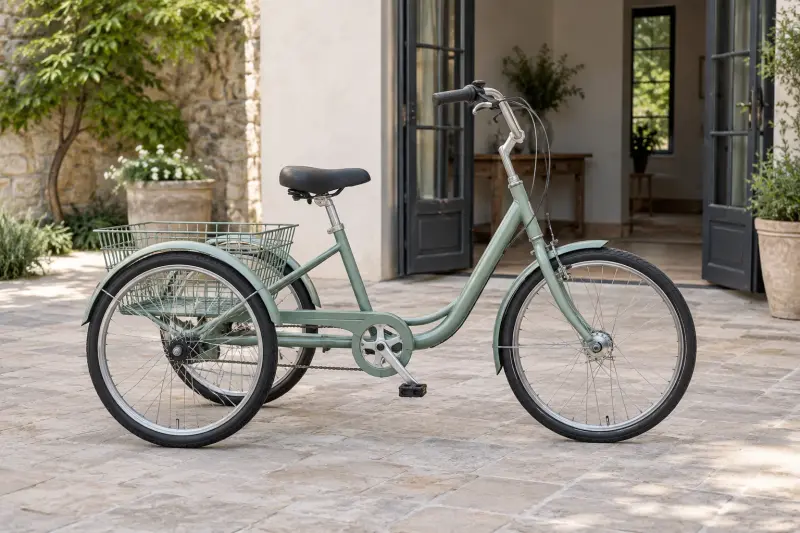
Rehearse the stopped sequence first
Before a ride, have the dealer explain the parking arrangement, power state and steps for getting on and off. Ask how accidental assistance is avoided during entry and how the vehicle is secured while stationary. Lectric supplies model-specific owner manuals through its official manual library; use the instructions matching the vehicle being demonstrated.
In a hypothetical trial, the rider can cross the low frame but finds the final turn onto the saddle difficult. Record that specific difficulty rather than treating a successful first step as a complete result. Ask whether an approved adjustment changes the task, then repeat the whole sequence with appropriate supervision. Stop the trial if unresolved concerns remain.
The first demonstration should explain what the trike does while stationary. Ask how the exact model is parked, which power state is appropriate during entry and how the supplier prevents accidental propulsion under its instructions. These are model-specific matters. A parking feature on one trike may differ from a similarly named feature on another. Have the dealer identify the relevant manual pages before treating a familiar-looking lever or button as understood. Do not invent your own sequence from an online video of a different vehicle.
Break the stopped routine into observation points: approaching, entering, reaching the saddle, settling into the intended position, accessing controls and leaving again. The list is an agenda for an appropriately supervised demonstration, not a set of operating instructions. Ask where the demonstrator will assist and when further professional advice is appropriate. A successful first movement should not cause the rest of the sequence to be rushed. If the final departure is difficult, record it as an unresolved task rather than a minor inconvenience outweighed by the low frame.
For a hypothetical example, the user can step across the opening but finds that a pedal occupies the area where they expected to place a foot. The dealer may need to explain the manufacturer's correct stationary setup or an approved adjustment. The answer must come from the exact instructions and the demonstration; the website cannot prescribe a pedal position or a transfer technique. If an adjustment is proposed, repeat the complete routine with appropriate support. Do not conclude that it worked because one isolated part of the task improved.
Leave time for questions after the demonstration. Ask the user which part felt understandable and which part needs another explanation. A family member can help keep notes, but their confidence should not replace the user's experience or an assessment where needed. If the dealer cannot resolve an important task, another demonstration, a different configuration or a different transport option may be the appropriate next step. A sales appointment is not an obligation to complete a purchase. The record should preserve what remains open.
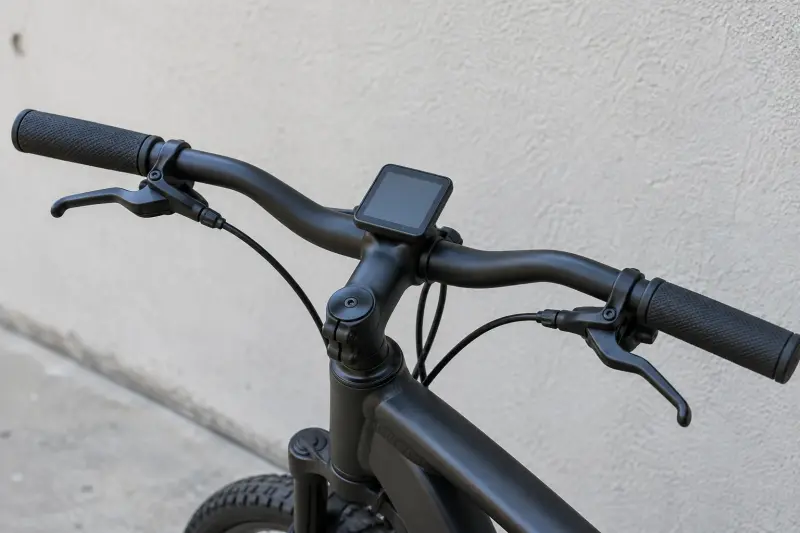
Check the everyday controls and accessories
From the intended seated position, try the brake levers, display controls and any assistance control under the dealer’s guidance. Explain whether ordinary clothing or a bag interferes. A showroom rider may use different reach settings from those you would want; the actual configuration matters more than an attractive step-through photograph.
Leave optional backrests, mirrors and baskets out of the first decision unless they are necessary to assess fit. Add a proposed accessory to a second demonstration and check the entry route again. An item that looks comfortable can change clearance or handling. Ask for approval for the exact combination instead of relying on a universal accessory claim.
Once the stationary sequence has been explained, compare the intended seated configuration with the control tasks. Handlebar position, brake-lever reach, display visibility and any fitted assistance control belong to the exact setup under consideration. Ask which adjustments are permitted and who carries them out. A change that appears to improve reach may affect another part of the fit or movement question. This is why a complete demonstration is more useful than checking a single measurement against a height chart.
Use actual task descriptions. Saying that a control is difficult to reach gives the dealer less information than explaining that the user has to change grip to find a particular lever during the approved demonstration. Similarly, a large display may still leave a setting difficult to identify. Ask the supplier to explain the function and demonstrate the normal sequence with the user. Do not equate a large screen, a powerful motor or a low frame with understandable controls. They describe different aspects of the product.
A hypothetical rider likes a trike in its basic configuration, then considers a rear basket and an additional seat accessory. The basket changes the approach at the intended parking spot, while the seat accessory raises a compatibility question. Instead of treating both as harmless extras, give each its own row in the demonstration record. Ask for exact-model approval and revisit entry, seating, controls and departure with the final arrangement. A convenient-looking addition may be unnecessary once the ordinary tasks are understood.
Keep the intended ride separate from the showroom's setup. Ask about the user's usual clothing, glasses and permitted accessories without prescribing suitability. If strength, balance, coordination, vision or transfer questions affect the proposed use, appropriate professional assessment takes precedence over an online comparison. The guide can help the user describe the unanswered task; it cannot interpret symptoms or declare that a particular frame design solves them. Choose the product only after the practical sequence and required advice have been addressed.
Keep a demonstration agenda with a stop column
Use rows for approach, entry, seat position, controls, stopping and departure. Mark each as explained, demonstrated, needs adjustment or unresolved. There is no overall suitability score: a difficult departure should not disappear beneath several convenient features. Include the user’s own comments, even when a relative prefers a different model.
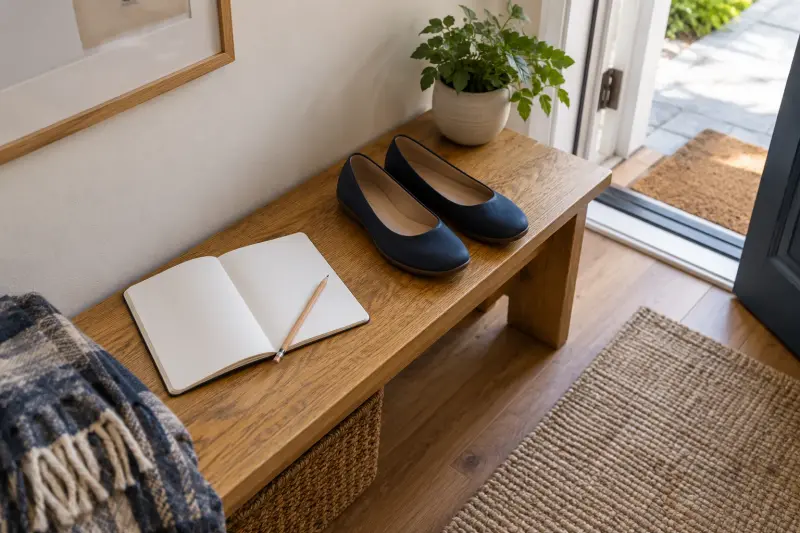
The next step might be another demonstration, a professional assessment or a different transport option. Purchase only when the agreed requirements have clear answers. Keep the configuration record for delivery day, when saddle, handlebar and accessory settings should match the arrangement that was discussed. A deliberate decision leaves room to decline a trike without pressure.
The stop column is the most useful part of the demonstration agenda. It provides a place for a question that must be resolved before the purchase, rather than forcing every row into a favourable score. Use simple statuses such as explained, demonstrated, awaiting an approved adjustment, awaiting advice and unresolved. Keep entry and departure as different rows. Add the exact vehicle, size or setting and the person who answered the question. This makes the record useful when the delivered equipment is checked against the discussion.
For a hypothetical final shortlist, candidate A has an open frame and controls the user understands, but departure in the destination parking arrangement remains unresolved. Candidate B has fewer optional features and has been demonstrated through the complete stopped routine, with any required assessment completed. The unfinished row on A should not disappear because its brochure is more impressive. Equally, B's completed demonstration does not establish universal suitability for another person. The buying record applies to the actual discussion and configuration, not a general ranking of models.
Include the next action beside each unanswered question. An unclear manual page needs a supplier explanation; a configuration issue may need a maker-approved adjustment; a personal capability concern may need appropriate assessment. A route-access question needs the local authority or route manager. Assigning the question to the right source avoids expecting a dealer demonstration to answer everything. It also prevents a family member from feeling responsible for making a technical or professional determination they cannot reasonably make.
Before ordering, compare the final configuration and support arrangements in writing. At delivery, ask that the agreed settings and accessories are identified and the exact instructions supplied. If the delivered equipment or the user's needs change, revisit the affected questions. Keep notes privately and avoid posting sensitive information in a public product comment. The aim is a considered transport choice with understood tasks and support, including the valid choice to decline a trike. It is not a score promising easier transfers, safer riding or a particular health outcome.
Prepare a demonstration that answers your questions
Contact the dealer with a concise agenda before arranging the visit. Give the model being considered, the ordinary journey and the entry questions that need attention. Ask whether the demonstrator can provide the exact manual and show the relevant manufacturer-approved adjustments. Confirm whether the appointment includes a supervised riding demonstration, a stationary explanation or only a showroom viewing. Those are different services, and knowing the scope helps the household prepare without assuming that every buying question will be settled in one session.

If someone will accompany the user, decide their role in advance. They may take notes, help describe the home parking arrangement or keep track of questions. They should not press the person to continue when the person or demonstrator wants to stop. Ask the supplier what assistance is appropriate within the appointment and which concerns require a separate professional assessment. Avoid rehearsing an improvised entry method at home to make the visit appear successful. Bring questions rather than a need to prove that the shortlisted model will work.
A hypothetical household initially books a short showroom visit to see the paint colour. After writing down its journey, it realizes that parking, control reach and departure are the decisive issues. It asks for a more appropriate demonstration before travelling. The extra preparation can prevent a wasted visit and a decision made under time pressure. It does not guarantee that the model will be suitable. A clear agenda simply gives the right questions a place in the appointment.
Ask how a demonstration affects any order or return arrangement. An appointment should not be confused with a home trial or a promise that used equipment can be returned freely. Read the actual purchasing terms for the jurisdiction and seller before paying. Keep a copy of the offer and any demonstrated configuration. If an important issue cannot be answered, agree the next step and leave the order open. A good buying process permits more than one visit and does not turn politeness toward a helpful demonstrator into an unnecessary purchase.
When another arrangement deserves consideration
A trike is one possible way to make a desired journey. Start with the journey's purpose when considering alternatives: reaching shops, visiting somebody, spending time outdoors or carrying a modest load. If the entry and departure sequence remains difficult after appropriate explanation and assessment, investigate another configuration or another transport choice. A different frame, seating arrangement or vehicle category introduces its own questions; it should not be treated as automatically suitable because one part of the first demonstration was unresolved.
Keep optional accessories out of a personal capability decision. A basket, extra mirror or decorative seat cover does not establish balance, coordination or transfer suitability. If an approved accessory has a defined purpose, ask for evidence for the complete combination and repeat the relevant demonstration. Otherwise, leave it off the initial order. Adding equipment to a difficult setup can increase the number of questions without resolving the original one. The useful standard is whether the intended task has been addressed, not whether the vehicle looks fully equipped.
In a hypothetical comparison, a rider's main aim is a weekly local outing. The selected trike's entry routine requires assistance that will not be available at the destination. The next discussion should include that availability constraint, rather than simply finding a more powerful or feature-rich trike. A different route, destination parking arrangement or transport option may be more realistic. Do not prescribe which option the person should choose. Let the relevant demonstrations, local rules and professional advice inform the decision.
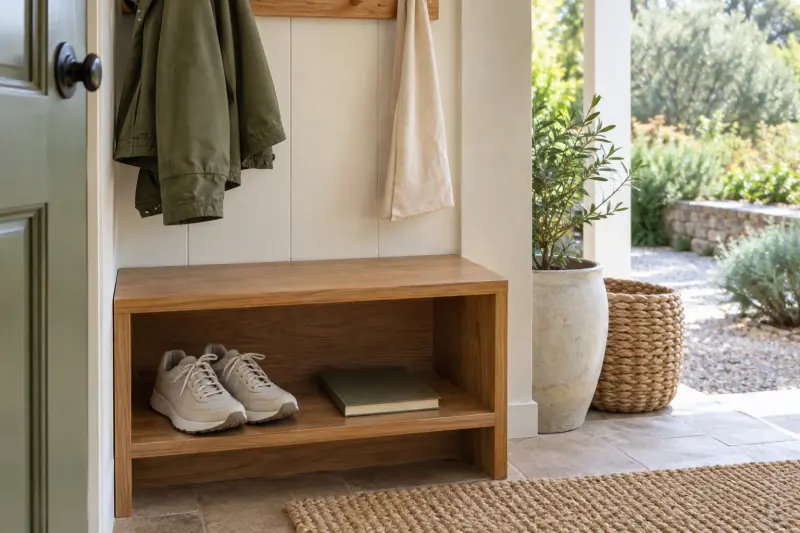
Revisit the record when circumstances change. A new accessory, a different destination or a change in the user's needs can affect a previously understood sequence. Keep the exact manual, settings and support route accessible to the household. If a concern arises, contact the appropriate supplier or professional rather than applying a universal internet technique. This guide's practical value is making the complete task visible and preserving the user's ability to pause, seek advice or choose another way to travel without sales pressure.
MAKE THE SPEND MEANINGFUL
Before adding to the basket.
- Compare a simpler approved configuration before extra seating accessories.
- Arrange another trial instead of purchasing to make a sales appointment feel successful.
How this guide was prepared
AI-assisted editorial research, checked against the linked primary sources. Product testing and a credentialed individual review are not claimed.
source-checked editorial; no hands-on testing or expert suitability assessment claimed
How we use sources and AI assistance ↗Sources & fact checks
The guide separates sourced facts from editorial questions and examples. We have not claimed hands-on product testing. How we use sources and AI assistance.
Found an error or an outdated detail? Contact the editorial team.