
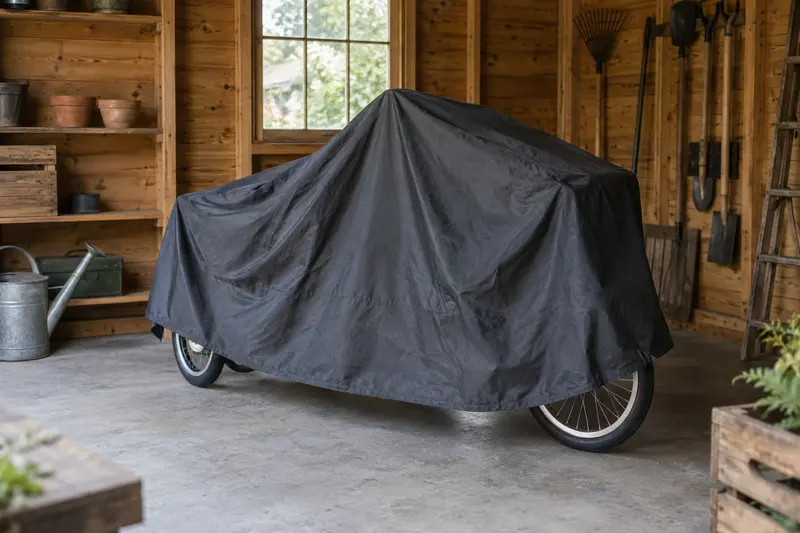
In brief
A cover is a storage accessory, not proof that a trike can live outdoors in every condition. Check the exact model’s storage and battery instructions, measure the installed accessories, and assess ventilation, ground conditions and access. Confirm whether a cover is intended for stationary storage or vehicle transport.
IN THIS GUIDE
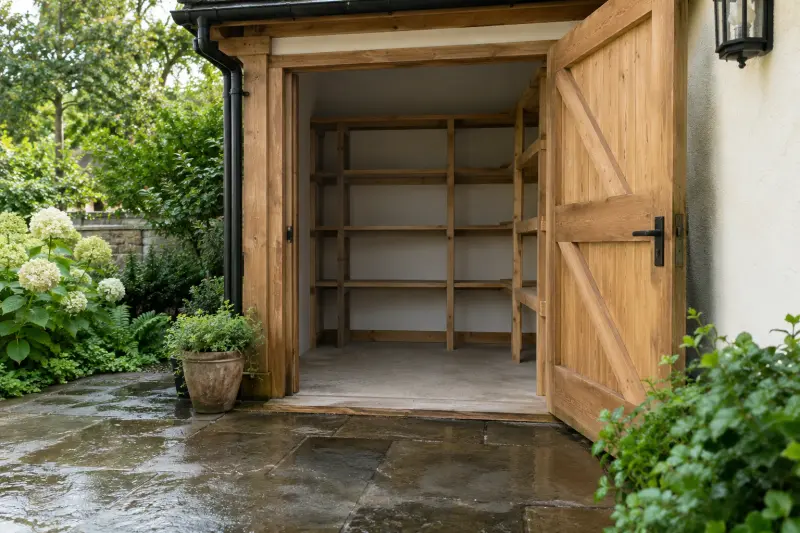
Describe the actual storage environment
Record whether the location is enclosed, sheltered or exposed, and whether it becomes damp, hot or cold. Include how you reach it after rain and where the battery will be handled. A photograph of a neat covered trike does not reveal standing water, a blocked exit or a difficult retrieval route.
UK government battery guidance advises avoiding excessively hot, cold or damp charging areas and following manufacturer storage instructions. Use the exact maker’s requirements for the battery and vehicle; this article does not set a universal temperature range. Ask about building rules before storing equipment in a shared area.
Describe the location in ordinary conditions, including what happens after a wet outing and during the seasons in which the trike will be owned. Is the vehicle inside an enclosed space, beneath partial shelter or fully exposed? Does the surrounding ground stay dry, and is the retrieval route routinely available? Record observations for the supplier without turning them into a claimed environmental rating. A storage photo taken on a bright day can leave the actual ownership conditions unanswered.
Ask the vehicle and battery maker about the exact proposed environment. Their instructions may distinguish riding, stationary storage and charging; do not combine them into one weatherproof label. Lectric's current water-exposure support page lists an IP rating for XP Trike2 while explicitly warning that the electrical components are not waterproof. That brand-specific information illustrates why a rating headline should not become permission for every storage condition. Confirm the current instructions for the actual unit and regional version.
For a hypothetical household, an open-sided shelter keeps direct rain off one part of the vehicle but leaves the ground damp and the cover exposed to wind. The buyer should describe all of those conditions rather than call the location indoors. Another household has an enclosed shed that becomes hot or damp at particular times. A closed door does not automatically answer the battery or charging requirements. Ask the appropriate providers which arrangement follows the exact instructions and which questions need local building or electrical advice.
Do not use a cover to bypass an unsuitable location. Fabric can be a storage accessory while the underlying vehicle, battery and access questions remain unresolved. An extra layer, thicker material or more expensive product name does not certify the complete arrangement. If the location cannot meet the relevant requirements, compare another place or another ownership option before ordering a cover. This guide deliberately supplies no universal temperature range, all-weather guarantee or assurance that an outdoor setup is suitable for a particular reader.
Measure the covered configuration
Measure the vehicle with the accessories left on during storage: baskets, backrest, mirrors and the intended handlebar position. Compare length, maximum width and height with the cover’s specified usable dimensions. Distinguish a generic bicycle photograph from a cover explicitly described for the shape you need.
In an illustrative case, the rear basket makes the widest point larger than the wheels. A cover chosen only from track width could pull tight at the basket or fail to reach the ground as intended. Ask the cover maker about the complete shape and how its fastening works. Do not force a fitted cover around a component the manufacturer says to keep clear.
Take measurements in the configuration that will be stored. Include baskets, permitted mirrors, backrests and the intended handlebar position where they remain fitted. Record the largest relevant width, length and height, then ask the cover maker how its usable dimensions and shape relate to that configuration. A nominal bicycle size or attractive photograph can be a poor substitute for a specific fit explanation. Three-wheel geometry and protruding accessories deserve attention without inventing a universal cover size.
Read what each dimension describes. A packaging measurement is not necessarily a usable covered space, and an overall fabric dimension may not answer how a shaped cover sits. Ask about the intended fastening, access openings and parts that should remain clear under the instructions. Do not force a cover tight around controls or an accessory simply because its stated maximum length appears adequate. The question is the complete stored shape and permitted use, not a single number chosen from each product page.
A hypothetical buyer measures the wheel width but leaves a wider basket out of the record. The cover arrives and pulls tight over that basket, changing how it sits elsewhere. The better pre-purchase step would have been measuring the full arrangement and asking about the shape. If the maker cannot confirm it, compare another cover or storage plan. Do not resolve the mismatch by cutting fabric, removing approved fittings for every storage cycle or assuming the tight fit is evidence of better protection.
Keep the fit record with the final accessory list. A later mirror, seat attachment or basket change can affect the stored shape even if the main vehicle is unchanged. Ask whether the cover still meets its intended use and handling requirements. A cover designed for another variant should be compared as a new candidate. The article can organize measurements and buying questions; it cannot certify compatibility from a generic product name or promise that a particular fabric will protect every electrical and mechanical component.
Separate stationary cover and transport tasks
Read the cover instructions for ventilation, fastening, wind exposure and whether it can be used while transporting the vehicle. A stationary dust or rain cover should not be assumed suitable for a vehicle rack. Similarly, do not cover a charging system unless the applicable instructions explicitly permit the arrangement.
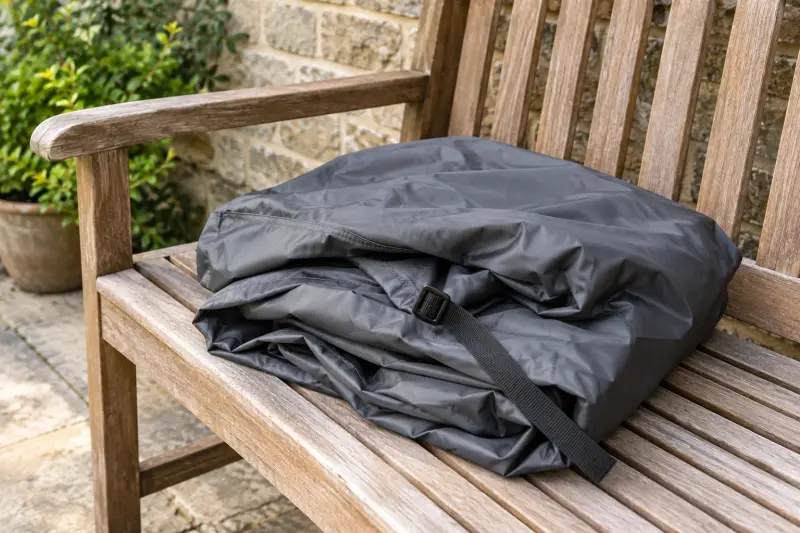
Think about removal and drying after ordinary use. Can the user handle the cover without pulling on controls, and where does a wet cover go? Plan that small routine before purchasing. An easier-to-handle cover may be more useful than additional layers, but no fabric description is a promise against weather damage in every location.
The cover's intended purpose should be written at the top of the comparison. Dust protection indoors, stationary outdoor storage and transport on a vehicle carrier are different tasks. Ask the cover maker which uses are supported and follow its actual instructions. Do not attach a stationary cover to a moving vehicle simply because it fastens around the trike. Transport introduces a complete system with its own carrier, securing and cover questions that need appropriate provider confirmation.
Ask how the cover is fitted, removed, cared for and stored when not on the vehicle. A wet cover needs a practical household routine consistent with its care instructions. Explain who ordinarily handles it and where it will be placed. If reach or handling is uncertain, obtain suitable advice rather than treating a lightweight description as proof that the user can manage it. A product that looks tidy while fitted may be inconvenient when removed, and that inconvenience can affect every outing.
For a hypothetical routine, the rider arrives home with a wet cover removed earlier and has nowhere appropriate to place it without blocking a route. The buying question is not necessarily whether a thicker cover is available. The household should review the storage place and handling sequence with the relevant instructions in mind. Another buyer stores the trike in suitable enclosed space and finds that a cover adds an unnecessary daily task. A no-cover decision can be reasonable when the underlying storage arrangement already meets the requirements.
Keep electrical precautions separate. The UK battery guidance says not to cover chargers or battery packs during charging because of overheating concerns. Do not interpret a breathable marketing phrase as permission to cover an active charging system. Follow the exact maker and official guidance, and seek clarification if the proposed arrangement is unclear. The cover shortlist should address a documented stationary-storage task; it should not create a new electrical workaround or conceal an unanswered question about where charging can occur.
Make a storage environment card
Use fields for model instructions, installed dimensions, battery location, access path and cover purpose. Add the manufacturer’s contact for an unanswered storage question. Keep care instructions accessible and inspect the actual arrangement regularly, especially after equipment or building conditions change.
Use suitable existing enclosed storage when it already meets the instructions. A cover may be unnecessary indoors, while a better location can be more valuable than a premium cover in a poor one. Compare the complete arrangement before buying optional locks, anchor kits and covers together. Each purchase should solve a specific documented storage task.
Editorial illustration
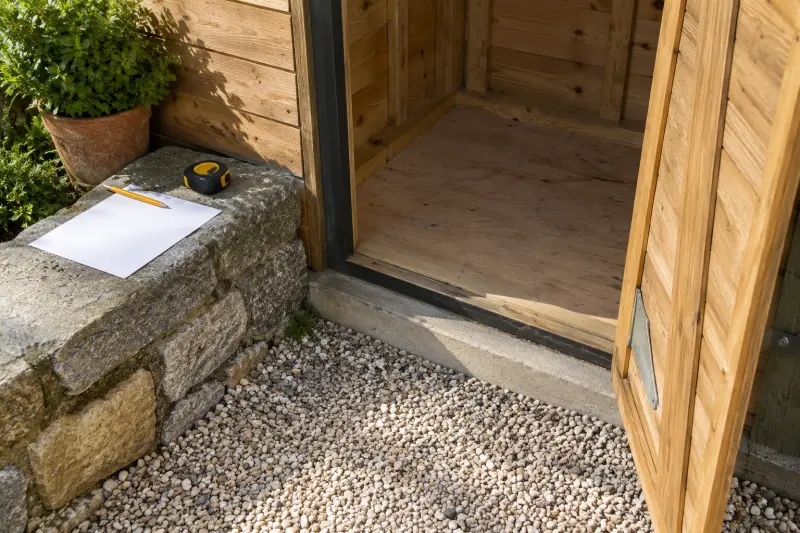
The storage environment card should connect the location with the actual instructions and fitted dimensions. Include a description of the place, how the battery task is handled, the normal access route and the cover's intended purpose. Add the source and date for the exact model. Keep private home details out of public tools. A simple card can be shared privately with the supplier without becoming a claim that the website has inspected or approved the location.
Use an unresolved column for questions about environment, fit and handling. A supplier may confirm the cover dimensions while the charging place remains open; those are separate answers. Do not combine them into a positive overall score. Likewise, a vehicle's rating does not answer every question about a fabric accessory or the household's storage routine. The useful record shows what each source can establish and who needs to answer the remainder. A home arrangement can need more than one appropriate source.
For a hypothetical comparison, option A uses a suitable existing enclosed storage place with no extra cover, while option B requires a new outdoor arrangement and a cover whose purpose is not yet confirmed. The buyer should compare complete scopes rather than treating the cover's lower price as the only cost. Storage changes, permitted installation, access and charging may remain separate questions. Another household may have a clear need for a correctly specified cover after the location is resolved. The guide does not prescribe the same answer to both.
Review the card when the equipment or surroundings change. New shelving, a different basket, a revised battery arrangement or a changed building rule can affect the original plan. Follow the owner instructions and contact the relevant provider when a concern appears. A considered storage purchase solves an observed task within a documented arrangement. It does not maximize layers of fabric, guarantee freedom from weather damage or make a photograph of a covered trike evidence of a universally suitable setup.
Compare cover claims and limitations separately
A cover listing may combine material, dimensions, fastening features and broad promotional claims. Put each in a separate row. Ask which claim relates to stationary storage, which to care and which requires specific supporting evidence. A word such as premium does not answer fit, ventilation or transport use. This publisher has not tested covers or measured protection, and the guide does not supply an invented ranking of weather performance.
Read the actual instructions and any limitations before comparing finishes or included extras. Ask how the cover maker describes the intended environment and complete vehicle shape. Keep its answer separate from the trike manufacturer's guidance. A cover maker can explain the fabric accessory without approving the battery's charging location. If the two sets of instructions leave a conflict or an unanswered question, seek clarification rather than selecting the wording that makes the purchase easiest to justify.

For a hypothetical shortlist, cover A has a clear stationary-storage purpose and usable-shape information, while cover B uses a broad all-weather description without answering the actual configuration. The buyer should request B's missing information instead of assigning it superior protection because the phrase sounds stronger. If both products meet the documented task, care, handling and preference can inform the choice. If neither has answered fit or use, the correct result is another enquiry or another arrangement, not a forced winner.
Check the delivered item and current terms before use. Keep its label, instructions and receipt privately. Ask what permitted inspection is possible and what return conditions apply if the selected size is wrong. Do not assume a used wet cover can be returned under the same terms as an unopened one.
Ask what the maker permits when checking the cover's shape on the vehicle. A useful answer identifies the intended configuration and how the supplied instructions govern the check. Keep the original packaging until the seller's process is understood. If the item does not match the ordered size or specification, contact the seller with the relevant record rather than altering it immediately. This is a purchase-verification question, not a suggestion to operate the trike or electrical equipment beneath the cover. A trial arrangement must stay within the applicable instructions, and a product mismatch should remain visible instead of being hidden by extra straps or fabric modifications. Statutory rights and voluntary offers depend on the actual transaction and jurisdiction. A focused buying process checks those details without inventing a live price, stock promise or guarantee that the seller will accept every change of mind.
Revisit the complete storage routine after a change
A storage plan should be revisited when its assumptions change. Examples include a different parking orientation, new fitted accessory, another battery, altered shed layout or a changed home access route. Identify the affected question and return to the relevant maker or local source. The previous record is useful background, but it should not be treated as permanent approval for every later arrangement. Small accessories can alter the covered shape or the ordinary handling task.
Keep charging, vehicle protection and security as separate rows. A lock may serve a documented connection; a cover may serve a stationary-storage task; neither establishes an approved electrical place or guarantees the vehicle cannot be stolen. Buying all three together can look complete while leaving their actual purposes unclear. Resolve the main location and routine first, then select only the accessories that have an explained role and confirmed compatibility.
A hypothetical household adds a rear basket after a season of ownership. It uses the storage card to review width, cover fit and access to the ordinary tasks. The household asks the relevant providers about the changed configuration instead of forcing the original cover over it. Another household moves the trike to a shared area and needs the responsible building guidance before assuming the previous plan applies. The record helps identify the new question without prescribing a universal answer.
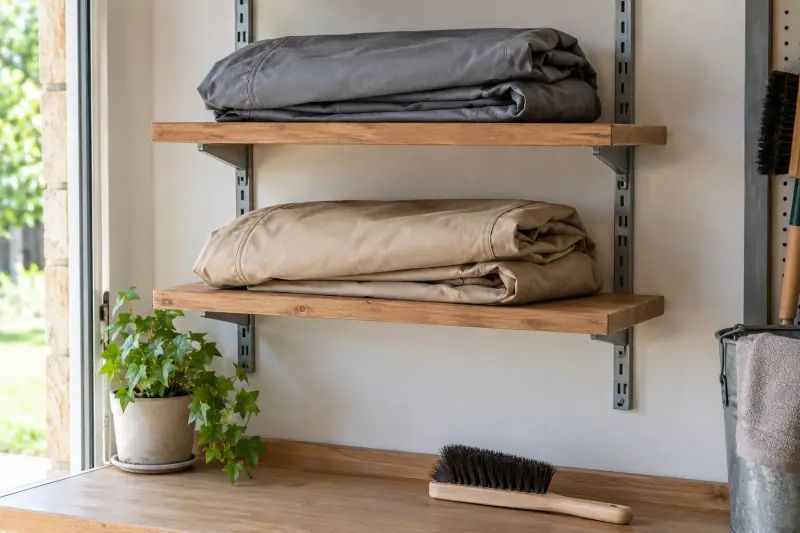
This guide is a dated set of buying questions and primary references, not an environmental inspection or a weather test. The useful choice may be one correct cover, suitable existing enclosed storage or a different ownership arrangement. Follow the actual instructions and seek appropriate local advice where needed. Keep the freedom to buy less or postpone an accessory when it does not answer a clearly identified task. An expensive cover cannot compensate for an unresolved storage or battery plan.
MAKE THE SPEND MEANINGFUL
Before adding to the basket.
- Use suitable enclosed storage instead of unnecessary cover layers.
- Buy one correctly specified cover after resolving location and dimensions.
How this guide was prepared
AI-assisted editorial research, checked against the linked primary sources. Product testing and a credentialed individual review are not claimed.
source-checked editorial; no hands-on testing or expert suitability assessment claimed
How we use sources and AI assistance ↗Sources & fact checks
The guide separates sourced facts from editorial questions and examples. We have not claimed hands-on product testing. How we use sources and AI assistance.
- UK government: do not cover battery packs or chargers during charging ↗
- Lectric: model-specific water-exposure information and limitations ↗
Found an error or an outdated detail? Contact the editorial team.