
In brief
Compare the transport process, not just the words folding or portable. A folding scooter may still need one heavy lift; a dismantling model creates several pieces and reassembly tasks. Try the exact routine with the people and vehicle that will be used.
Documented options
A clearer comparison.
Research options based on manufacturer documentation. These are not results of hands-on testing. Manufacturer links are informational; no commission relationship is currently active.
IN THIS GUIDE
Compare the whole transport routine, not the word portable
A folding scooter and a dismantling scooter solve the transport task differently. Folding can reduce the number of separate pieces while retaining a substantial single load. Dismantling can divide the equipment into pieces while adding separation, storage and reassembly tasks. Neither format is automatically easier for the person or household that will actually transport it.
Describe one ordinary outing from storage at home to the destination and back. Include retrieving the scooter, preparing it, loading the vehicle, unloading, restoring the permitted operating configuration and returning it to storage afterward. A product that looks compact in a photograph still needs to fit every relevant part of that process.
Write who performs each task. The intended user may operate the scooter while a helper loads it, or transport may require a properly matched lift. Keep those roles explicit. Do not assume a family member can manage a load because the product is described as lightweight or because somebody in a promotional video lifts it.
Our comparison helps prepare an appropriate provider demonstration and transport enquiry. It does not teach lifting, folding, disassembly or securement procedures. Use the exact applicable instructions and professional support. The useful choice is the format whose complete documented routine works for the real user, helper, vehicle and destination.
What a folding specification does and does not establish
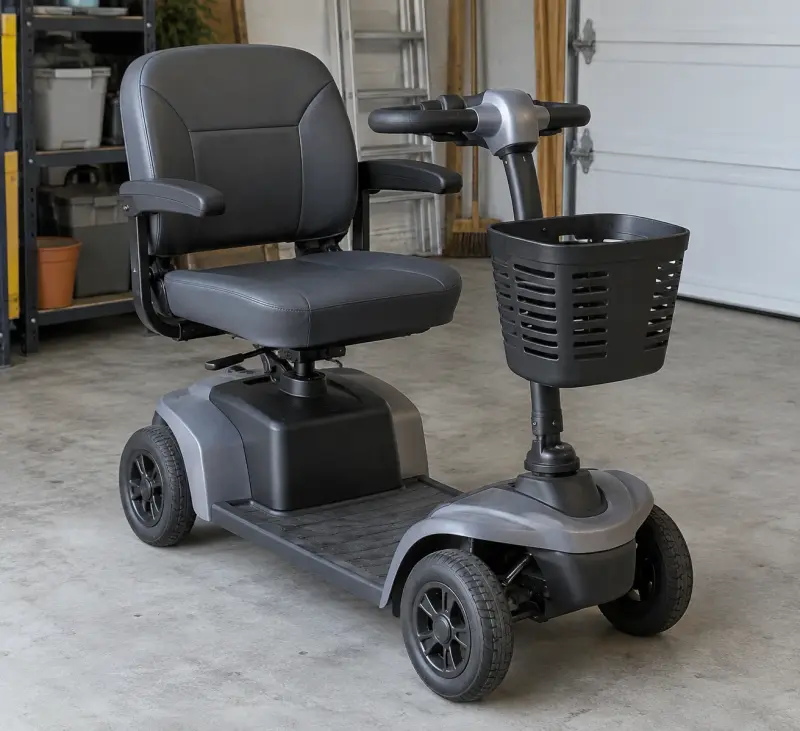
Pride's US Go Go Super Portable SC15M page describes folding without removing the seat. It lists 41.6 pounds without the battery and 49.9 pounds with its named 11.7 Ah battery. Those distinct figures are useful because a battery-excluded headline is not automatically the weight of the arrangement you plan to handle.
The page describes a reduced folded dimension and an upright towing arrangement. Those are product features, not a certification that a particular person can lift the device or that it fits a given car. Ask the provider to identify the exact transported configuration, applicable current instructions and complete occupied dimensions before drawing a conclusion.
Keep any optional components in the comparison. An accessory may change the size or final transport weight, and the transported arrangement must be confirmed rather than inferred from a bare model figure. Do not remove required components or modify the scooter to reproduce a convenient marketing photograph.
A folding format can be relevant when managing separate pieces is an unwelcome task, but the remaining handling question must be resolved honestly. If a single lift is not appropriate, ask about a documented compatible transport solution or another assessed equipment option. Do not turn “one piece” into “easy for everyone.”
What a dismantling specification changes in the comparison
Pride's US Go Go Elite Traveller 2 SC442E page describes separation into five pieces and lists a 35-pound front section as its heaviest piece. That helps frame a different handling question from a complete folding unit. The actual supplied configuration and documentation still need confirmation before transport is planned.
Do not compare only the heaviest-piece number. List every transported piece, its documented dimensions and where it will go in the vehicle. Include any battery pack, seat and approved accessories that form part of the arrangement. Several manageable-looking pieces can still require awkward placement or occupy space the household needs for other belongings.
Ask who performs separation and reassembly under the exact instructions, and whether that person understands the process. A smaller individual load can be useful, but additional tasks may be inconvenient for the actual outing. Do not equate a promotional “quick” description with a routine demonstrated by your household.
Keep assembly responsibility separate from a personal suitability assessment. Being able to manage pieces does not establish that the scooter's seating, controls or route are suitable for the intended user. The format comparison should stay connected to those wider provider questions rather than selecting an operating device entirely on transport convenience.
Keep four different weight questions on the worksheet
Record the assembled product weight, the transported configuration weight, the heaviest handled piece and any separate battery or accessory load. Label each figure clearly and keep its source attached. A bare model number, a total with batteries and a removed front section are not interchangeable comparison values.
Ask the provider to confirm the final transport weight of the supplied arrangement. Pride's consumer safety guide explicitly distinguishes quoted unit weight from an arrangement with dealer-installed accessories when transport systems are considered. We use that point to require a named confirmation, not to recommend a lift from a catalogue without checking compatibility.
For a fictional arithmetic example, a product headline might say 20 kilograms without its battery, while the documented configuration includes another 4 kilograms. An assumed 20-kilogram transport load would omit that component if it remains attached. The example explains a missing line in a comparison; it does not set a lifting limit or describe any named scooter.
If the required information is inconsistent across documents, ask the maker or provider to resolve it in writing for the actual supplied variant. Do not average two weight figures or choose the smaller because it makes the purchase easier. A discrepancy is an unanswered question, and the transport arrangement should not be marked confirmed until it is resolved.
Include the real user and helper in the demonstration brief
The person buying a scooter may not be the person who loads it. Invite the relevant user and helper to the appropriate provider conversation, where possible. Ask each what they want to manage and what is difficult. Avoid describing a helper's availability as permanent unless the household actually intends that arrangement.
A demonstration should be supported and follow the applicable instructions. Tell the provider which transport tasks need to be reviewed and what concerns remain. Do not ask someone to prove they can lift equipment by trying an unsuitable load. If handling raises a concern, request appropriate advice or a different documented transport option.
Consider the return journey as well as departure. An outing can involve less convenient parking, different weather or reduced willingness to perform several assembly tasks. State those practical scenarios without assuming a medical effect. The provider can help review the relevant routine, and the household can decide which tasks it is realistically prepared to undertake.
Keep the user's operating requirements central. A format chosen entirely for a helper's convenience may still fail seating, control or route questions. The transport worksheet should link to the wider scooter assessment rather than replace it. A good demonstration can end with further questions or excluding a candidate; it need not end with a deposit.
Measure the vehicle opening separately from the space inside
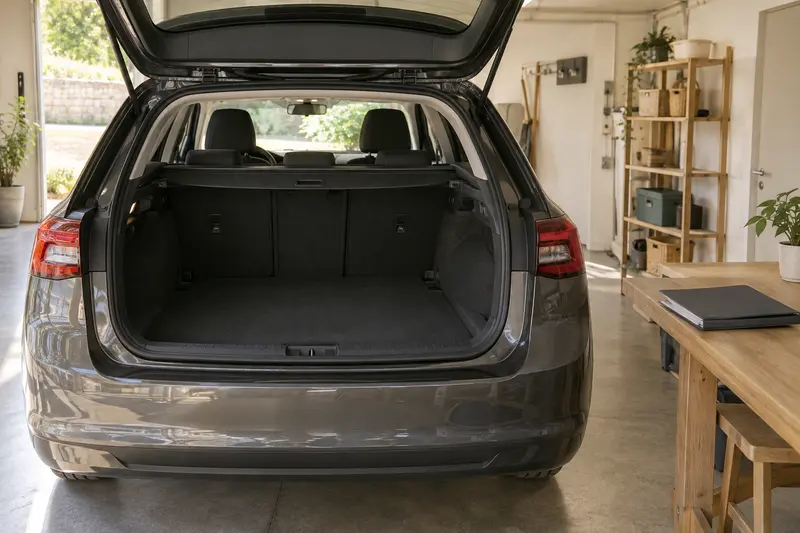
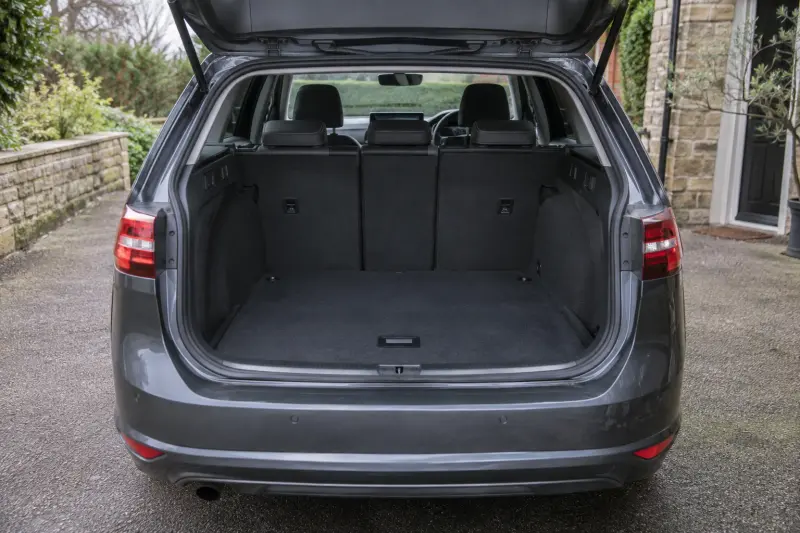
A scooter can be smaller than a car's internal cargo space and still not pass through the opening in the intended arrangement. Record the loading aperture, usable interior dimensions and obstructions separately. Include the loading lip and other features relevant to the provider's transport review, without inventing a household lifting technique.
For dismantling equipment, sketch the full arrangement of the pieces, including any space needed for passengers or ordinary belongings. Do not assume that five pieces can be stacked or stored in any orientation. Ask the provider for the permitted transport configuration and the appropriate securement requirements for the actual scooter and vehicle.
For a folding model, use the documented folded dimensions in the correct orientation. A single reduced dimension is not the full transported shape. Ask whether protruding handles or approved accessories remain part of the arrangement. The vehicle's maximum advertised luggage capacity in litres is not a substitute for relevant dimensions.
Keep vehicle suitability and personal handling as separate confirmations. A fit calculation cannot establish a safe loading method or transport restraint. If a ramp, lift or carrier is considered, the relevant professional must confirm the exact device, vehicle and completed scooter configuration. We provide a comparison brief rather than fabrication, installation or securement directions.
Check what happens after unloading
The destination can change the format decision. Ask where the scooter is prepared for use, where separate pieces or a transport accessory remain, and whether the planned approach is appropriate. A compact folded object in the vehicle is useful only if the rest of the outing can proceed under the applicable operating and provider guidance.
If travelling by train, air or another carrier, the actual operator's requirements are another layer. A folding label does not confer acceptance. Keep carrier confirmation, itinerary and exact equipment details separate from the car-transport worksheet. Our flight guide develops battery and airline questions when those are relevant.

For a hotel or temporary stay, ask about the room and storage arrangements before assuming the equipment can be handled exactly as at home. Do not rely on an accommodation photograph to establish access or permitted charging. The provider and accommodation contact can help resolve the actual practical requirements.
Write a simple destination row: arrival space, setup responsibility, permitted storage and unanswered question. This exposes a format that works at departure but creates an unresolved task at arrival. A better purchasing decision considers both ends of the trip and the return home rather than choosing the product with the most impressive folded photograph.
Worked example: fewer pieces is not the only measure of convenience
Imagine a fictional household comparing a folding candidate with a dismantling candidate for weekly outings. The initial preference is the folding model because it creates fewer pieces. Its completed transported load, however, remains a question for the person who would handle it. The household records that issue instead of assuming the label settles it.
At an appropriate demonstration, the provider reviews the exact routines and the real car. The dismantling candidate presents several documented pieces and an additional reassembly task. The helper finds the sequence acceptable in principle but needs the provider to confirm the actual configuration and transport arrangement. Neither candidate is declared suitable merely from the number of pieces.
The household also describes the destination and where the equipment will be prepared. One arrangement would require handling in a space different from the departure setting. That becomes a specific provider question. A generic showroom demonstration cannot answer it without relevant context, so the family requests the necessary follow-up rather than guessing.
This example does not choose a product or claim that one format is safer. It shows how a transport decision can change when the complete task is considered. The useful outcome is a documented candidate with resolved requirements, or a decision to seek another assessed equipment or transport solution when essential questions remain.
Ask how instructions, components and service stay organized
For a dismantling arrangement, the household needs access to the correct instructions and an agreed responsibility for every setup task. For a folding arrangement, it needs the applicable operation and transport information too. Do not assume one format eliminates instruction simply because it looks simpler in a video.
Record the exact model, supplied battery, approved accessories and documentation in one folder. Ask the provider which routine checks and service requirements apply and who handles a concern. We do not reproduce mechanical procedures or give a universal maintenance interval. The information must come from the actual supplied product and responsible support route.
If a connection, latch or component appears damaged or behaves differently, use the provider's guidance rather than improvising a transport workaround. Do not add straps, replacement fasteners or altered parts to make the format continue working. A repair or replacement needs an approved route and consideration of the equipment's actual condition.

Ask about local service before buying for frequent transport. A model sold online may require a support arrangement that is inconvenient in your region. The useful comparison includes who services the exact product, how it reaches that provider and what current written support covers. Portability should not hide an unresolved ownership question.
Compare the complete transport-related order
Separate scooter purchase, delivery, setup, relevant demonstration, approved accessories and any confirmed transport equipment. Keep optional convenience accessories in their own column. We do not invent current prices or assume a universal cost difference between folding and dismantling models. Obtain dated quotes for the actual market and scope.
An inexpensive product-only order may omit tasks that another quote includes. Ask each provider to explain what is supplied and what the household must arrange. Where a vehicle lift is relevant, do not treat a lift price as a completed installation or compatibility decision. The matched scope must be established before totals are compared.
Read current return and cancellation conditions, including any delivered, configured or used-equipment restrictions that the seller applies. Ask whether a demonstration or further confirmation is possible before commitment. The manufacturer's research link is not a claim that every retailer follows identical terms or that an opened product can be returned universally.
The low-cost alternative may be continuing with an existing appropriate transport arrangement or using another available confirmed mobility service for an occasional trip. Discuss any personal suitability issue with the appropriate professional. Avoid buying a compact scooter solely for a rare outing before understanding whether it is the relevant device and whether its complete ownership scope is justified.
Use a transport task matrix with exclusions first
Create rows for home retrieval, preparation, loading, travel, unloading, operating setup and return storage. Across the top, list each exact candidate. In each cell, record documented evidence, the responsible person and any unresolved question. A candidate should not win because the worksheet contains more ticks if one essential task remains unsuitable or unconfirmed.
Use plain outcomes: confirmed for the named question, awaiting provider evidence or excluded from the intended routine. Keep the reason beside the status. “Fits the measured cargo space” is narrower than “transport confirmed.” A dimensional check does not settle handling, vehicle systems or securement, and the wording should preserve that distinction.
Put hard mismatches before preferences. An unresolved essential task restriction cannot be outweighed by a favourite colour or a convenient delivery date. Once essential requirements are resolved, compare the user and helper's preferences about pieces, storage and routine complexity. That makes the final choice easier to explain without pretending to calculate personal suitability from catalogue data.
Do not give a format an automatic rating based on product weight, wheel count or a marketing adjective. The matrix is a record for discussion with the appropriate provider. Its value lies in exposing the part of the journey the household has not yet considered, especially the return and destination tasks.

Your final folding-versus-dismantling transport card
Finish a one-page card naming the actual journey, intended user, transport helper, vehicle and destination. Add each candidate's exact configuration, complete transported dimensions, relevant weights and current document source. Keep personal health information in the appropriate private professional conversation rather than entering it into a public product finder.
Attach the task matrix and identify the remaining next action. It may be provider confirmation of the completed load, a car demonstration or review of an alternative transport system. Do not mark the order ready merely because the scooter's folded shape or heaviest piece appears promising in a specification.
If a candidate proceeds, ask the provider to document the agreed arrangement and explain the applicable instructions. The household should know who performs setup and who handles a concern. Delivery alone is not the completion of every transport and personal-use question.
Use our car-boot guide for the dimensional record and our demonstration guide for the wider operating questions. The final choice should connect those records rather than select a format in isolation. A relevant documented solution, a justified pause or a decision against an unnecessary order can all be successful outcomes.
MAKE THE SPEND MEANINGFUL
Before adding to the basket.
- Retain an existing appropriate confirmed transport arrangement where it serves the outing.
- Ask about a relevant available mobility service for an occasional journey before buying equipment solely for it.
- Use a paper task matrix rather than a paid planning application.
- Buy only the approved transport accessories required by the confirmed arrangement.
How this guide was prepared
AI-assisted editorial research, checked against the linked primary sources. Product testing and a credentialed individual review are not claimed.
AI-assisted, source-checked editorial; no hands-on test, human expert review or personal suitability assessment claimed
How we use sources and AI assistance ↗Sources & fact checks
The guide separates sourced facts from editorial questions and examples. We have not claimed hands-on product testing. How we use sources and AI assistance.
- Pride Go Go Super Portable US SC15M: folding arrangement and named weight figures ↗
- Pride Go Go Elite Traveller 2 US SC442E: dismantled pieces and heaviest-section data ↗
- Pride Scooter Consumer Safety Guide January 2025: personal fitting, instructions and final transport-weight confirmation ↗
Found an error or an outdated detail? Contact the editorial team.