
In brief
Check the storage already supplied with your scooter, then list what you need to carry. Ask the manufacturer or provider which accessory fits the exact model and how its limits interact with the scooter’s limits. Compare reach, control clearance, transfers and disassembly. A universal-looking bag or rear bracket is not evidence of approved compatibility.
Documented options
A clearer comparison.
Research options based on manufacturer documentation. These are not results of hands-on testing. Manufacturer links are informational; no commission relationship is currently active.
IN THIS GUIDE
Build a one-journey carry list
Separate the outward load from what returns home. A bag that holds the departure essentials may not answer an outing that adds purchases at the destination. Describe both lists without guessing a permissible vehicle load. If the occasional return task is bulky, ask whether delivery or another arrangement is more appropriate before selecting a permanently larger carrier. This distinguishes everyday storage from an exceptional errand.
An accessory can also compete with another necessary function. Pride’s exact US Go Go Elite Traveller 2 information says only one rear accessory can be used at a time. A proposed rear basket and walker holder therefore need a provider-confirmed choice for that configuration, rather than an order assuming simultaneous use. Ask which task needs the rear mounting and whether the actual supplied front or footboard storage answers the other.
Build the carry list from the actual outing: what leaves home, what must be found while stopped, and what comes back from the destination. Keys, a phone, a small shopping item and a permitted accessory may need different locations. Keep private medicines or devices under their own storage requirements rather than treating the scooter bag as a universal container. Keep sensitive item details in private notes rather than a public comparison tool. A simple private list can describe the task without profiling the person.
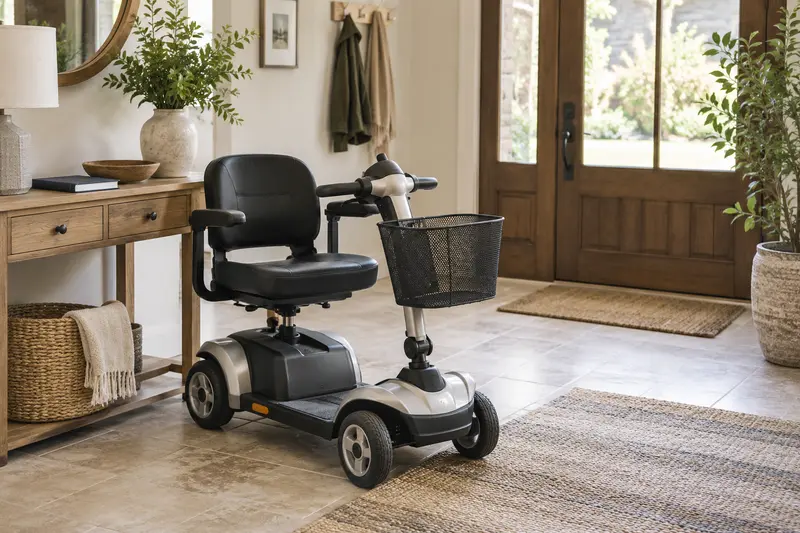
Inspect what the exact order already includes. A front basket, compartment or other supplied arrangement may serve the ordinary task under its instructions. Product photographs can show optional equipment, so compare the written package and actual manual. Pride's Go Go Elite Traveller 2 is a specific example of published included storage information; it is not evidence that every scooter has the same configuration. Ask the provider to explain the current ordered unit instead of adding a bag automatically.
For a hypothetical shopping trip, the person needs a predictable place for keys and a modest purchase. The supplied basket may answer the purchase task, while a small essential item has another location question. The buyer investigates that remaining function rather than replacing all storage at once. Another journey involves a larger load that needs the exact scooter and accessory instructions to be checked. A bigger bag does not establish that the vehicle can carry more or that the loaded arrangement is permitted.

Separate frequent and occasional tasks. A bag bought for an exceptional bulky errand can create an unnecessary everyday carrying or transport step. Ask whether another delivery or travel arrangement can serve that occasional need while the regular setup stays focused. This is not an instruction to reduce a necessary item; it is a way to clarify which tasks the scooter is expected to perform and which accessories genuinely belong in its ordinary configuration.
Keep the inventory with the order record. When contents change, revisit the applicable limits, shape and handling questions. A convenient-looking bag can be useful only when its actual task and complete mounting arrangement are understood.
Treat the model number as the first filter
Read an individual container limit individually. Pride’s documented under-seat system limits each bin to five pounds. In a purely illustrative calculation, contents of three and seven pounds total ten, but the seven-pound bin still exceeds that stated per-bin figure. This is not a proposed loading arrangement or a scooter-payload allowance. The example explains why one combined total cannot erase a restriction applying to each named component.
Give every compatibility response an identifiable scope: the scooter version, accessory kit, included mounting components and provider giving the answer. If a retailer changes its offered kit after the enquiry, ask for a response matching the replacement. A previous confirmation for another bracket or seat arrangement should remain with that earlier proposal. Keeping these document versions avoids treating a remembered yes as approval of whichever accessory arrives.
Start the accessory enquiry with the exact scooter model, generation and regional version. Add existing fitted parts that may affect the proposed mounting. A universal-looking strap or bracket is not evidence of approval. Ask the scooter maker or provider which specific accessory and installation arrangement is permitted. If an answer applies only to another model, keep the current question unresolved rather than carrying that approval into the shopping basket.
Pride's under-seat storage page provides a concrete example of why the complete kit matters. It describes two bins, a bracket and a seat base plate, with a separate five-pound limit for each bin and a caveat about product availability. That is the named accessory system, not a universal under-seat capacity or a promise of local stock. Ask the provider whether it fits the actual scooter and what the installation includes. A pair of generic bags placed in the same area does not become the same system.
For a hypothetical offer, a retailer lists under-seat storage next to the scooter but does not name the compatible version or required parts. The buyer requests the exact accessory identifier, supplied components and permitted fit. They do not buy the bins alone and assume a mounting bracket can be improvised later. A missing base plate, different seat arrangement or existing accessory can change the question. The complete answer needs the responsible provider's clarification before normal use.
Keep the scooter's overall limitations and each accessory's limits separate. Do not add bin capacities together and present the sum as extra scooter payload. Ask the maker how the actual configuration and contents must be considered under its instructions. A container's shape, attachment and intended use can matter beyond a weight headline. The website has not tested loaded handling or verified a particular person's setup. It can help the reader recognize which evidence is missing.
Ask which technical work belongs to the provider and which ordinary user tasks follow the manual. Do not substitute hardware, drill a mounting point or secure a bag near controls because another model's photograph looks similar. A low-cost accessory should still have exact documented approval.
If the scooter and accessory are sold by different businesses, ask who confirms the combination and who supplies installation support. A bag seller's general promise does not automatically represent the scooter maker's answer. Save the relevant written responses with their scope. Where one provider refers the question to another, keep the row open until an actual responsible source explains it. This is particularly useful for a used scooter or an older generation whose present accessory options differ from a current showroom package.
Check access, controls and transfers
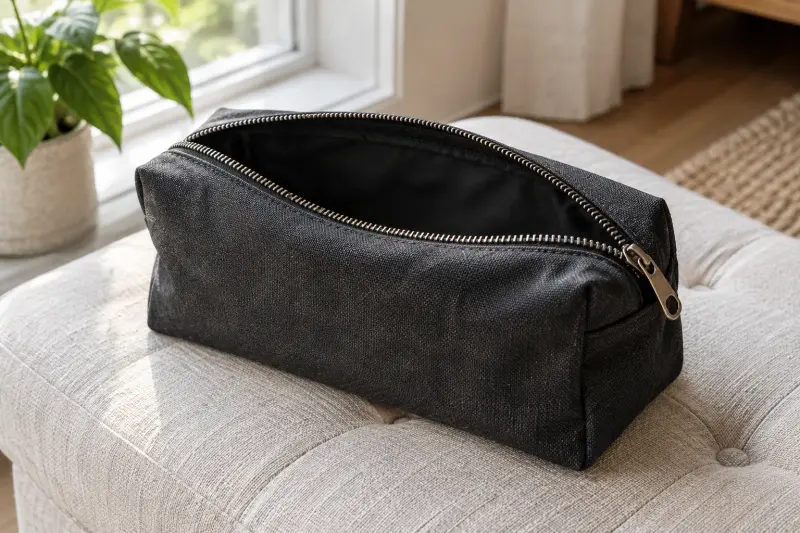
Compare the closure with the object it holds. A wide opening may help explain access to a larger item, while a small essential can require a clearly identifiable compartment. Ask to have the exact closure and object-access task demonstrated appropriately while stopped. The article does not claim one zipper, flap or fastener is easiest for everyone. Record the demonstrated arrangement rather than choosing by the number of pockets.
Separate information from a demonstration. A provider can identify the approved kit from documents without showing the user opening it; a demonstration can show a closure without confirming an unreviewed mounting. Label those answers differently on the enquiry. If an essential personal-use question remains, appropriate advice is still needed. Neither a neatly fitted photograph nor a quick companion’s impression should fill every field in the comparison.
Discuss the complete sequence with the user and provider: approaching the scooter, getting on, locating an item while stopped, using the controls and leaving again. Storage can affect more than carrying capacity. Ask where the bag, straps and mounting parts sit relative to the approved arrangement. If personal reach or transfer is uncertain, obtain appropriate advice rather than testing an awkward movement to prove a product convenient.
Consider the loaded shape, not only an empty bag. A bulging pouch or tall object can occupy different space from a flat catalogue image. Ask what the exact instructions permit and whether the ordinary contents affect control access or another task. A label such as compact describes the item but does not establish clearance on every scooter. Keep the complete model and contents in the discussion. This guide does not prescribe a universal placement or loading method.
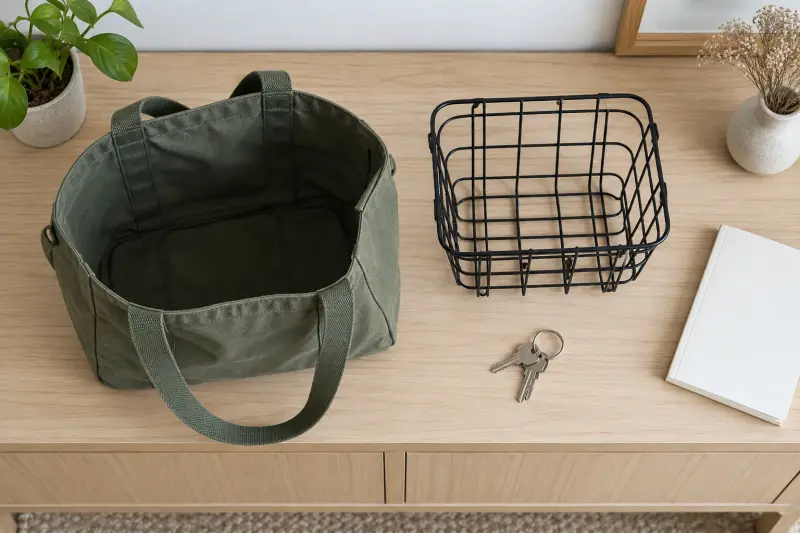
For a hypothetical user, the bag can be opened but its location makes one essential item difficult to find while the scooter is properly stopped. The next enquiry concerns the task and approved arrangement, not automatically buying a deeper compartment. Another user likes a rear carrier but needs to clarify how it affects their ordinary entry sequence. A provider demonstration and appropriate assessment can address those different questions. Extra space is not useful when it introduces an unresolved action that matters to the user.
Use exact task descriptions in the record. Difficult zipper, unclear item location and uncertain clearance are more informative than a general inconvenient label. Ask the maker about the actual closure and replacement-parts route. Avoid unsupported modifications to make the accessory feel easier. A decorative add-on or a more elaborate bag does not settle personal suitability or a control question. Necessary tasks should remain above styling preferences in the shortlist.
Keep another person helping within their appropriate role. They can record questions or describe the journey without deciding technical compatibility or pushing the user through a difficult demonstration. An accessory decision should leave room to pause, seek advice or keep the existing approved storage.
Include the accessory in the transport routine
Write down where the belongings go when the approved transport routine removes a container. Keys needed on arrival, a loose basket and the scooter components are different objects to account for. In a hypothetical car trip, help is available to load the scooter but nobody has considered the detached storage. A clear contents-and-container plan exposes that extra handling task before another bag is added.
For an operator-controlled journey, ask the actual operator about the complete equipment arrangement it needs to review. A scooter accepted in one documented configuration should not be assumed accepted with every added carrier or load. Provide the exact relevant dimensions and component information requested through its process. This guide gives no universal bus, rail or airline acceptance rule and does not convert an accessory seller’s travel label into permission.
If the scooter travels by car, include the accessory in the provider-approved folding or disassembly routine. Ask whether it stays attached, is removed or changes a component-handling step. The answer belongs to the exact combination. A bag that looks neat on an assembled scooter may become another loose item during transport or obstruct an instructed operation. Do not assume the carrying routine stays unchanged because the accessory is small.
Ask what happens to the normal contents while the scooter is prepared for transport. Keep the loaded shape and any permitted removal in the plan. A hypothetical family may be able to transport the standard scooter arrangement but have no agreed place for a newly added basket and its belongings. The next task is to resolve that complete routine, including available help at the destination. It is not solved by a higher advertised storage capacity or an improvised attachment to another component.

Read closure, care and environmental instructions separately. A lid or covered design does not by itself establish waterproofing or protection for a device. Ask what the maker actually claims and which conditions apply. Keep valuables and items with their own requirements under an appropriate plan. An ordinary scooter bag should not be treated as theft-prevention equipment because it has a zipper or sits beneath a seat. This publisher has not tested water resistance, security or durability.
Record replacement parts and care information privately with the accessory identity. A broken strap or missing fitting needs the maker's or provider's guidance rather than a generic replacement from a similar-looking item. Ask who can carry out the required maintenance and how the part is obtained locally. A bag that answers the first outing can still have an inconvenient care or replacement arrangement; that is worth understanding before ordering extra pieces.
Review the transport plan after a relevant change. A new vehicle, another scooter configuration or different journey contents can affect the original routine. The earlier record is useful context, but it should not become blanket approval for every later accessory. Keep changes visible and seek the appropriate exact-system answer.
Compare complete supported offers
Compare proposals using the same remaining task. One offer might sell only a container, another the complete mounting kit, and another provider supply plus fitting. Record those differences before judging the equipment amounts. If a necessary component or service is unquoted, preserve that open line. A small accessory can remain a modest purchase while requiring a complete supported scope; a lower displayed amount alone does not answer the missing work.
Can extra storage increase a scooter’s permitted payload?
Do not infer that from another bag or a pair of bin limits. Keep the exact scooter’s overall instructions and each accessory’s restrictions together, and ask the responsible provider how the proposed contents and mounting are covered. Additional compartments organize possessions; their capacity statements do not independently authorize a higher vehicle load or certify the rider’s arrangement.
A paper comparison table can connect the journey items, exact scooter, approved accessory identifier, mounting, relevant load instructions, personal-use questions and transport step. Add the source and date for each confirmed answer. Use an unresolved field where the maker or provider has not addressed the combination. Do not create an overall safety or suitability score from those shopping fields. The table helps you identify the next appropriate question and avoid duplicate storage.
For a hypothetical final comparison, the included basket already serves the regular shopping task. The buyer considers one small approved accessory for a remaining essential item, instead of ordering a convenience bundle with several mounting systems. Another buyer discovers that the proposed storage conflicts with the transport routine and asks about another arrangement. A third needs individual advice about access before choosing. These different outcomes follow the actual journey rather than a universal list of best scooter bags.

Compare the complete offer, including any required bracket, fitting, delivery and current local terms. A low bag price is not the final cost if the documented mounting system is still unquoted. Read the seller's inspection and return conditions for the actual order, with statutory rights and voluntary policies kept distinct in the relevant jurisdiction. Keep the instructions and receipt privately. The manufacturer links are information references; this guide does not assume approved commissions, current stock or a live price.
At handover, verify the supplied accessory and installed scope against the record and ask for the exact explanation. If a part differs or a question remains, seek clarification before use. Follow the maker's instructions and ask for support about an uncertain fitting or condition rather than adapting hardware. A no-purchase result remains valid when the original storage already answers the task. A focused accessory earns its place through a documented purpose and compatibility.
The useful outcome is simpler possession management on a real outing, with the limits understood. The article has not tested scooters or assessed the rider. It does not promise easier transfers, more total capacity or protection from theft. The reader should be free to buy one appropriate function, retain existing equipment or keep researching without being pushed toward a scooter covered in accessories.
MAKE THE SPEND MEANINGFUL
Before adding to the basket.
- Use supplied storage if it answers the task under the owner instructions.
- Choose one approved accessory rather than a convenience bundle; compare required brackets and fitting as part of the offer.
How this guide was prepared
AI-assisted editorial research, checked against the linked primary sources. Product testing and a credentialed individual review are not claimed.
AI-assisted, source-checked editorial; no hands-on test, human expert review or personal suitability assessment claimed
How we use sources and AI assistance ↗Sources & fact checks
The guide separates sourced facts from editorial questions and examples. We have not claimed hands-on product testing. How we use sources and AI assistance.
- Pride Mobility: Go Go Elite Traveller 2 specifications ↗
- Pride Mobility: under-seat storage and compatibility caveat ↗
Found an error or an outdated detail? Contact the editorial team.