

In brief
A useful service plan explains scheduled visits, breakdown attendance, covered parts and exclusions. Compare that scope with the warranty already included. A plan can overlap existing cover or leave important costs outside its headline.
IN THIS GUIDE
Separate maintenance from breakdown cover
A scheduled service is a planned inspection visit; a breakdown call-out is a response to a reported problem. Ask the provider to define both in the proposed agreement. Acorn’s warranty page, for example, describes annual service and distinguishes ongoing warranty terms. That example does not establish another seller’s coverage.
Collect the documents before comparing annual fees. Write the equipment model and current warranty end date at the top. If you already have covered service, ask when paid cover starts and whether there is overlap. A sales description of total reassurance is less useful than a clear starting date and list of tasks.
Ask where the unplanned bill could arise
Request separate answers for parts, labour, travel, batteries, weekend attendance and faults caused by damage or unauthorized changes. Ask whether a technician can charge for diagnosis even when the repair is excluded. Confirm who approves additional work and how you receive a quote.
Look at practical access to support as well as coverage. Which number handles a stopped lift, when is it answered and which local team attends? Record any response-time wording precisely. “Priority” or “as soon as possible” should not be converted into a guaranteed arrival time that the contract does not provide.
Worked decision: the battery exclusion
Imagine plan A includes call-outs and labour but excludes replacement batteries. Plan B lists batteries as included subject to its terms. The second may be useful, but you still need to ask what testing, replacement criteria and restrictions apply. Neither plan can be assessed solely by the size of its covered-parts list.
Ask each provider for a written example of how a battery-related fault would be billed under your agreement. Do not dismantle the lift or order an unfamiliar replacement to avoid an uncertain charge. The relevant manual and authorized service channel determine what maintenance the owner can perform.
Make a renewal decision from the scope
Keep a table with a row for each service task and label it included, excluded, conditional or unanswered. Attach the contract clause or provider reply. At renewal, compare that record with your current warranty and actual local service choices, rather than assuming last year’s plan remains unchanged.
If a plan adds little beyond existing cover, request the missing information before renewing. If you choose pay-per-visit support, obtain its attendance and charging terms first. The alternative to a paid plan is not neglecting required maintenance: retain the exact model’s service schedule and an appropriate provider.
- Scheduled visitFrequency, inspection scope and records supplied.
- Fault attendanceHours, response wording and travel charges.
- ReplacementParts, batteries, labour and conditional exclusions.
- RenewalStart date, cancellation route and price-change notice.
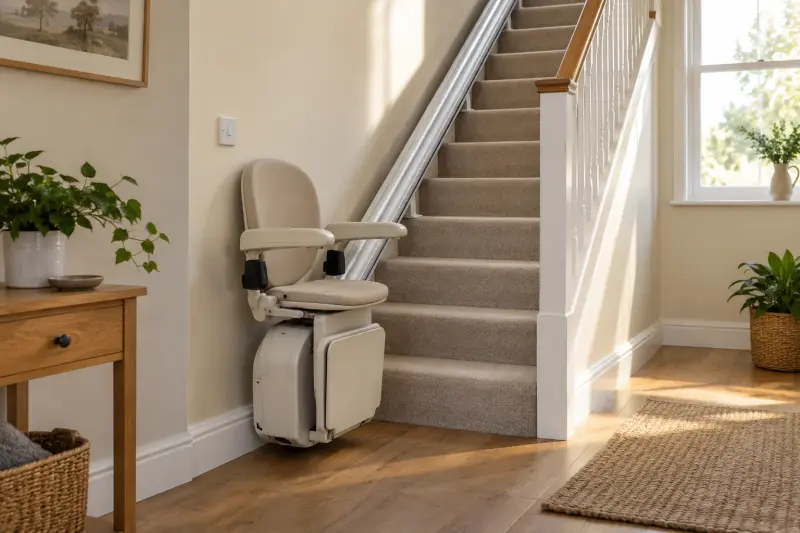
Make a cover map before reading a renewal offer
Begin with the documents already held: the original order, warranty, exact-model manual, service record and any current service agreement. Write the equipment configuration and relevant start and end dates privately at the top of a cover map. A renewal invitation can be difficult to judge if you are unsure what remains included under another document. Organising existing records is therefore the first useful task, before comparing another annual amount.
Give planned maintenance, fault attendance, repair labour, replacement parts, batteries and travel separate rows. For each document, write what it actually says about that row and where the statement appears. Use included, excluded, conditional or unanswered. Conditional deserves its own label: an item can be described as covered only when a stated requirement is met. Do not remove the condition to make the table easier to read.
Add a date column for each inclusion. If paid cover begins before an existing inclusion ends, ask the provider to explain the intended arrangement and whether the offer can be timed differently. An overlap may be deliberate or may reflect a misunderstanding; the worksheet should reveal it without making an unsupported legal conclusion. Keep the provider's written response beside the renewal rather than remembering that someone said it would all be fine.
Identify which documents apply to the actual purchasing channel. A new direct purchase, reconditioned package, dealer sale or rental can carry different terms. Do not fill the warranty column using a brochure for another arrangement. If the correct document is missing, ask the installing business or current provider for it. Record a missing document as a question rather than assuming the broadest published promise applies.
The cover map should answer a modest question: what would this new plan add to the documented arrangement already in place? It cannot predict whether the lift will develop a fault or calculate a guaranteed saving. Once the existing scope is visible, ask about the specific gaps that matter to the household. This produces a focused renewal conversation and avoids buying duplicated cover merely because the invitation has a reassuring title.
Ask what scheduled maintenance and breakdown attendance each mean
A scheduled visit and a reported-fault response are different services. Ask what happens at the planned visit, who carries it out, how it is arranged and where the resulting record is kept. Obtain the maintenance schedule from the exact instructions and provider rather than inventing your own interval. A service agreement might include that visit, offer it separately or connect it to another coverage condition; the actual document should explain which applies.
Acorn's cited US warranty page describes scheduled service and states an annual-service condition for its lifetime motor and gearbox warranty. It also directs customers to their account for service-agreement documents. That is a provider and market example, not evidence that another plan has the same condition or that we have read an account-only agreement. Ask for the document governing the offered plan and retain its specific requirements.
For breakdown attendance, ask how a reported issue enters the service process. Which contact handles it, what information is needed and which team attends the address? Clarify whether the agreement describes a call-back, assessment, visit or completed repair. Those are different events. A commitment to try to attend promptly should not become a promised arrival time in your notes unless the actual document expressly supplies one.
Ask about ordinary support hours and the route outside them. Preserve exact wording, including conditions on availability or charges. Do not assume a phone answered outside office hours means every repair is completed during those hours. If access to the lift is important to the household's routine, discuss the practical contingency with the appropriate provider rather than expecting a plan label to guarantee uninterrupted travel.
Keep required maintenance separate from the choice of financial arrangement. Choosing not to buy a particular annual plan does not mean neglecting the model's service requirements. Ask an appropriate provider about the maintenance and pay-per-visit route if that is under consideration. Compare that response honestly with the plan, leaving uncertain charges and attendance conditions visible. The buying question is how required care and fault support are organised, not whether equipment can be ignored without a subscription.
Use fault scenarios to discover where charges could remain
Select a few scenarios to ask about, without predicting that they will happen. A battery concern, an unexplained stopping issue and a planned service visit can reveal different parts of the agreement. For each, ask the provider to describe the initial contact, any diagnosis charge, covered work, excluded parts and the process for approving an additional amount. This is easier to evaluate than a list of covered parts with no explanation of a visit.
In the battery scenario, separate testing, attendance, replacement labour and the battery itself. A plan can mention batteries without covering each task under every circumstance. Ask what conditions apply and who decides whether replacement is appropriate. Do not estimate a replacement date or order a component independently merely because its amount seems lower online. The responsible service route and exact-model requirements govern the equipment question.
In the stopping scenario, ask how the provider deals with an issue that turns out to be outside the plan. Can a charge arise for attendance or diagnosis even if repair is excluded? Who explains and authorises additional work? Record the provider's answer rather than assigning a zero amount to every call-out. Keep this a billing-and-responsibility discussion; do not create a universal troubleshooting sequence or suggest bypassing a safety feature to avoid attendance.
In the planned-service scenario, ask whether the appointment is automatically arranged or the household must request it. Find out which record shows completion and whether another condition depends on that visit. A prepaid inclusion may still require an understood booking process. Keep the appointment response and completed service record with the actual plan, so an omitted call or lost record is not hidden behind the phrase service included.
Compare providers using the same scenarios and dates. If one gives only a verbal response, ask for a written explanation where it affects the decision. Where no amount is supplied, record the charging method and unanswered amount rather than inventing a national average. The exercise makes possible gaps visible without turning hypothetical faults into fear-based reasons to buy the most comprehensive-looking package.
- ScenarioPlanned service, battery concern or reported fault.
- First responseContact, diagnosis, attendance and responsibility.
- Possible chargesLabour, travel, components and exclusions.
- ApprovalHow additional work is explained and authorised.
Worked example: two battery descriptions that need clarification
This hypothetical comparison concerns two plans offered for the same existing lift. Plan A describes covered attendance and labour while excluding replacement batteries. Plan B names battery replacement among its conditional inclusions. The household initially assumes B is better because the battery row looks more complete. A useful follow-up asks what each document means before treating that impression as the purchasing conclusion.
The household sends the same battery scenario to both providers. It asks who attends, who checks condition, which circumstances permit replacement and which charges could remain. A replies that an excluded replacement amount would require agreement through its stated process. B is asked to explain the conditions attached to its inclusion. The worksheet retains those responses beside the quoted plan, without inventing an interval or assuming every battery-related visit automatically qualifies.
Next, the household checks current warranty and maintenance records. Perhaps an inclusion remains under an existing document, or the renewal would start at a different point than first assumed. The providers are asked to explain any overlap and start date. This step matters even if B has broader coverage, because the question is what the household would acquire for the actual period. The plan's scope and timing belong together.
The household then records service access separately. It asks which provider responds locally, how a fault is reported and what attendance wording applies. A broader component description does not necessarily establish a different response process. Conversely, a familiar local contact does not prove every part is included. Keeping these rows separate allows the household to value documented practical support without letting one appealing feature erase unrelated uncertainty.
The final decision may favour B, A, another available support arrangement or clarification before renewal. The example has no assumed failure probability, replacement price or guaranteed saving. Its lesson is that conditional inclusion needs an explanation. A good decision note can say exactly what the household values and which remaining responsibility it accepts, rather than relying on an all-cover promise that the document has never made.
Plan renewal and service records around the real household
Give the renewal reminder a purpose: review the current scope, actual model and next agreement period. Keep the reminder privately with the provider contact and document location. It should not automatically authorise another payment or imply the old terms remain unchanged. When a new document arrives, compare the covered tasks and conditions again, particularly where a previously unanswered row mattered to the first decision.

Use a simple service record with date, task, provider, written outcome and follow-up. Enter the required interval from the actual manual or provider. Do not use a generic calendar suggestion from this article as an equipment instruction. If another person helps with appointments, agree who retains the record and who contacts the service business. Avoid putting private equipment identifiers or household access details in a public tool.
Store the local contact in more than one appropriate place if useful to the household, such as the equipment folder and a private address book. Ask the provider what information it needs when an issue is reported. You can prepare the model and document reference without attempting another person's repair routine. A clear contact route is part of support planning, even when a paid agreement is not selected.
If the household changes, revisit responsibilities. A person who previously managed bookings may no longer be available; a user may need an explanation of an unfamiliar indication; an offered service business may change its arrangement. Describe the change to the appropriate provider. Do not assume the original plan covers a newly changed configuration or independently modified equipment. Keep revised responses with the record so the next conversation begins from the actual situation.
At the end of a plan, retain the final document and any unresolved visit or charge. Ask how cancellation or nonrenewal is communicated under the actual agreement. Maintenance and support for continuing use should still be arranged through an appropriate route. A labelled folder can manage this information without a paid app, insurance-style score or automated recommendation. The useful result is understandable responsibility, with dates and documents that the household can find when needed.
- RenewalReview scope and dates before accepting another period.
- Service logRecord the actual task, provider response and follow-up.
- Contact routeKeep exact-model information and local support privately accessible.
- ChangeUpdate responsibility and agreement questions when circumstances alter.
Reader questions about stairlift maintenance plans
Do I need a paid stairlift service plan?
Compare what the proposed plan adds to existing warranty and maintenance arrangements. Ask about the exact-model requirements and appropriate pay-per-visit options if available. The guide cannot predict faults or determine a universal financial winner. The relevant decision concerns documented scope, local service access and the household's responsibilities.
Is a scheduled service the same as breakdown cover?
No single package label answers that question. Ask the provider to define its planned visit and reported-fault response separately. Record whether parts, labour, travel and diagnosis are included or conditional. A service inclusion does not by itself establish that every unplanned visit is free or completed within a guaranteed time.
What does lifetime motor cover mean?
Read the applicable document for covered components, purchaser conditions, maintenance requirements and remaining charges. Acorn's US example connects its described lifetime motor and gearbox warranty to conditions. Do not apply another provider's wording to your agreement. If the consequential detail is unclear, request clarification before treating the headline as a promise about all ownership costs.

Are batteries usually included?
Obtain the offered plan's answer for testing, attendance, replacement labour and the component itself. Generic assumptions are not a reliable billing guide. Keep conditions visible and ask how an additional amount is authorised. Avoid purchasing an unfamiliar replacement or altering equipment to escape an unanswered service charge.
Does priority support guarantee a fast repair?
Ask what event the response wording describes and which conditions apply. Contact, attendance, diagnosis and completed repair are different stages. Record an express commitment if supplied, but do not convert words such as priority or as soon as possible into a numerical promise absent from the agreement.
What is the low-cost first step?
Organise the warranty, manual and service records already held, then ask targeted questions about genuine gaps. A clearer cover map may reveal overlap or a needed clarification without another purchase. If another support arrangement is chosen, keep required maintenance and an appropriate contact route in place. The useful alternative to one plan is an understood care arrangement, not neglected equipment.
MAKE THE SPEND MEANINGFUL
Before adding to the basket.
- Compare pay-per-visit support where available while maintaining the required schedule.
- Avoid buying overlapping cover before its start date is clarified.
How this guide was prepared
AI-assisted editorial research, checked against the linked primary sources. Product testing and a credentialed individual review are not claimed.
source-checked editorial; no hands-on testing or expert suitability assessment claimed
How we use sources and AI assistance ↗Sources & fact checks
The guide separates sourced facts from editorial questions and examples. We have not claimed hands-on product testing. How we use sources and AI assistance.
Found an error or an outdated detail? Contact the editorial team.