

In brief
Read warranty and removal as separate ownership questions. A component warranty may not cover later labour, wear items or taking the equipment away. Ask for the applicable written terms before assuming lifetime means every future cost.
IN THIS GUIDE
Read the component behind the headline
Stannah’s current terms separate motor gearbox cover from other parts, labour and exclusions. Its rental provisions are also distinct. This is why a large lifetime heading should lead to the detailed document, not replace it. Terms can vary by seller and purchasing route.
Create separate rows for the major components and the work required to repair them. Note the start date, covered person, service conditions and claim contact. Ask whether moving the equipment or changing ownership affects the agreement. Do not copy cover periods from another model’s brochure into your own order.
Ask about the last day of use
Removal is a practical service question even when nobody knows when it will be needed. Ask whether the provider removes its equipment, what the request process is and which tasks are included. Distinguish disconnecting and taking away the unit from repairs to stairs, walls or flooring.
If a supplier mentions repurchase, obtain the conditions in writing. Ask whether it depends on age, model, rail type or condition. Do not deduct an assumed buyback value from today’s budget. A possible future service and a guaranteed contractual amount are different kinds of information.
Worked decision: the impressive warranty heading
Imagine a proposal describes a lifetime gearbox warranty, while its detailed document states that later labour is chargeable. That cover can still be useful: the protected part may be supplied without a parts charge. But the household should not describe the whole repair as free.
Add a labour row and ask how attendance, diagnosis and replacement work are billed. Then ask a separate removal question. This keeps two gaps visible without implying the warranty is worthless. Clear scope helps the reader compare a simpler documented offer against a more impressive headline.
Build a lifetime paperwork folder
Keep the accepted order, applicable warranty, service records, configuration and removal contact in one place. Label the document date so a later website change does not confuse what was agreed. Private identifiers belong in your own folder rather than a public website form.
An ordinary folder is sufficient; buying a filing product is optional. Review the information when renewing cover or changing household arrangements. For removal, use an appropriate qualified provider and ask what happens to the equipment and remaining fixings. Avoid a DIY dismantling attempt inspired by a resale listing.
- WarrantyPart, labour, travel, conditions and claim route.
- TransferAsk about moving equipment or changing ownership.
- RemovalCollection, disposal, making good and any charges.
- ValueSeparate documented buyback terms from hoped-for resale.
Identify the document and purchasing route before reading a headline
Put the supplier, purchase type and offered configuration at the top of a warranty note. New, reconditioned, rented and dealer-supplied equipment can be described under different documents. A manufacturer's broad warranty page may not be the agreement applying to a particular sale. Ask the business making the offer to identify the applicable terms and keep a dated copy with the accepted order.
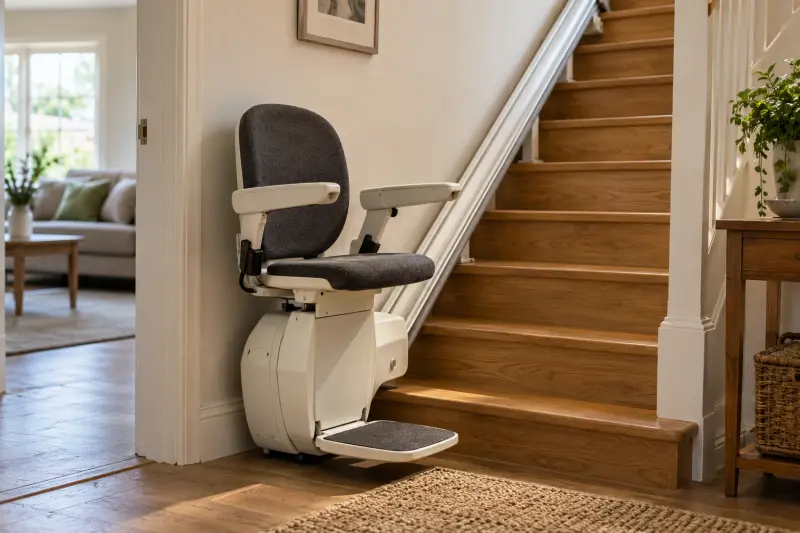
Read the headline as the beginning of a question, not its answer. Lifetime can describe a particular component or beneficiary under stated conditions. Comprehensive can still have exclusions or limits. The useful next step is to identify what the document covers, who it covers, when it begins and what obligations remain. Avoid turning a promotional word into a promise about every future visit, replacement or removal task.
Use ordinary examples to make the wording understandable. Ask what the agreement would say about a component fault, the labour needed to address it and a planned maintenance visit. These are hypothetical document questions, not predictions of failure. The supplier's written response should point to the applicable scope or conditions. If a consequential interpretation remains unclear, seek suitable advice using the actual agreement rather than relying on a general shopping article.
Keep geographic scope explicit. The cited Stannah terms are a US provider document; another market or supplier can have different conditions and local rules. This guide does not transfer a cancellation period, contractual remedy or ownership term across countries. Its worksheet helps you collect the right document and ask focused questions. The specific transaction requires its own relevant terms and, where necessary, appropriate advice.
Finally, preserve the version used for the decision. A later website update can make it hard to remember what accompanied the accepted order. A private folder with the actual document, written clarification and relevant dates is more useful than a bookmark alone. You do not need to publish names, addresses or order numbers to use the worksheet. The purchasing question is the scope of the commitment, not the appearance of a reassuring online heading.
Separate covered components from the work around them
Create rows for the major covered components named in the actual document, then add separate rows for diagnosis, attendance, labour, travel, batteries and scheduled maintenance where relevant. Do not assume each task is included because a component is listed. A parts provision can be useful while leaving another charge or condition unanswered. Keeping these rows distinct helps the household understand what the warranty actually adds.
Stannah's cited US agreement separates motor gearbox cover from other parts, labour and exclusions. That source example explains why a component heading should not be treated as whole-repair coverage. We do not copy its periods onto another offer. Ask the provider to show the document applying to your configuration and describe which work may remain chargeable when a covered component is involved.
Add conditions beside the relevant row. The document may refer to maintenance, authorised work, purchasing channel or the person entitled to cover. Record the actual wording and ask how the household meets any relevant responsibility. Do not presume that moving the equipment, changing ownership or using another service provider has no effect. Equally, do not declare cover invalid from a general concern without the applicable document and appropriate clarification.
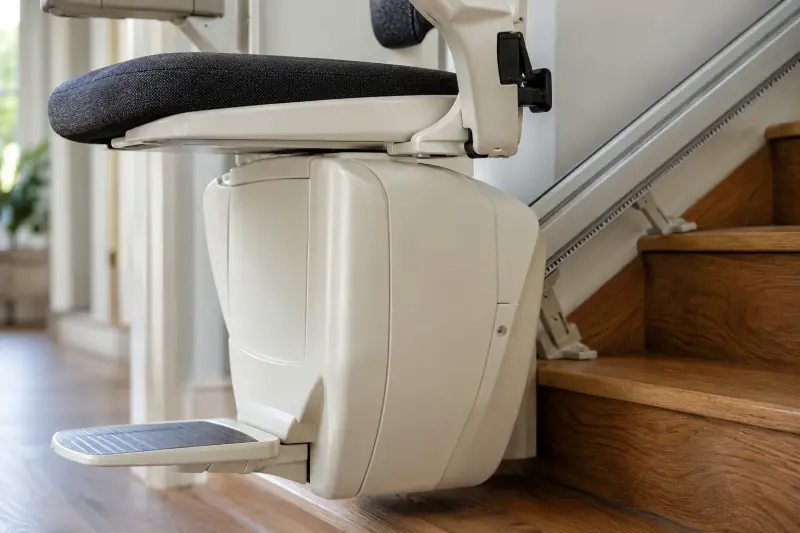
Ask how a claim or question starts. Which business should be contacted, what information is needed and who decides the next step? A manufacturer, dealer and installing business may have distinct roles. Record those roles for the actual offer instead of assuming any company displaying the brand can approve a claim. Keep model and private order information accessible in the household folder if the provider says it is needed.
Where the response includes an additional amount, ask how work is explained and authorised. Avoid expecting a technician to resolve an unclear billing arrangement simply because the component has a long warranty. The worksheet can identify the potential charge and the provider's process without inventing a future repair cost. A clear scope allows a household to value a limited warranty honestly, rather than deciding it is either free ownership or worthless because one task is outside it.
- ComponentRead the actual named coverage.
- Associated workSeparate diagnosis, attendance, labour and travel.
- ConditionRetain maintenance, purchaser and authorised-work requirements.
- ProcessIdentify the claim contact and approval route.
Ask about removal as its own service from the beginning
Removal concerns the end of the installation's use, which may happen for reasons nobody can predict at purchase. Ask the supplier whether it offers removal for the proposed arrangement, how the request is made and what conditions apply. You do not need an expected ending date to ask this question. It is part of understanding ownership, separate from whether the lift is suitable for the present task.
Distinguish disconnecting equipment, taking it away, disposing of it and making good the surfaces. A provider may include one task without the others. Ask about remaining fixings, finishes and any separately arranged trade work. Do not assume free removal means complete restoration of every part of the staircase. Record the exact scope, and keep any unanswered finishing question beside it rather than discovering it only when removal is needed.
Ask who owns the equipment and which party can authorise removal. A rented or supplied unit may need a different contact from a purchased installation. If another person manages the paperwork, clarify their role privately with the user's agreement and the provider's requirements. Do not arrange disposal based only on an online resale listing or assume another installer can remove equipment belonging to a service organisation.
For buyback or repurchase, request the written conditions. Identify the relevant model, acquisition type, age, condition and timing requirements actually stated. Do not deduct a hoped-for future amount from today's project total. A conditional programme and an unconditional contractual credit are different. Likewise, a possible private sale is not evidence that another household's installer will accept the equipment or rail.
Keep the removal contact and document in the ownership folder. If the provider changes its public information later, your actual agreement and current service response remain the relevant starting points. Ask for an up-to-date explanation when the task arises. The purchase decision should stand on the present documented arrangement, while the eventual exit is a known question with a contact route rather than an assumed financial benefit.

Worked example: a lifetime heading leaves labour and removal open
This hypothetical offer highlights lifetime gearbox coverage. Its detailed document describes component cover and states that certain later work may be chargeable. The household initially writes free repairs in its comparison. The worksheet prompts a correction: the headline identifies one coverage promise, while attendance, labour and other parts need separate responses. The warranty can remain valuable without the whole future repair being described as free.
The household asks the provider to explain an example involving the named component. Who supplies the part, who attends and what charges could remain under the actual document? The response is retained with the applicable terms. No future failure or amount is invented. The point is to understand responsibilities if such a question arises, not to predict the equipment's reliability or use fear to favour another package.
Next, the household asks about scheduled maintenance and any relevant conditions. It locates the exact-model instructions and asks who records the required service. The warranty row is updated with the condition and contact, rather than treating it as a footnote too inconvenient to include. If another paid plan is proposed, its scope is compared separately with the remaining cover instead of being assumed to extend every promise.
Finally, the household asks the independent removal question. The supplier explains which tasks it offers and whether finishing is separate. A conditional buyback statement, if supplied, is kept with its actual requirements. The household does not subtract that possible amount from today's budget or describe warranty cover as paying for removal. The worksheet now contains two understandable agreements rather than one vague impression of lifetime support.
The example may still favour the original offer. Clearer information does not automatically make a limited warranty unattractive. It allows the household to say what it values and which responsibility it accepts. Another offer with simpler documentation can be compared on the same basis. The useful outcome is a purchase understood beyond its headline, with future service and end-of-use questions connected to the actual contract and configuration.
Build an ownership folder that survives a changing household
Use five sections: accepted arrangement, warranty, service, changes and end of use. In the accepted arrangement section, keep the order, drawing and supplied model configuration. In warranty, keep the applicable terms and clarifications. In service, keep the actual maintenance record and local contact. These sections need only ordinary labelled dividers; a paid filing product is optional rather than a requirement for responsible ownership.
Use the changes section for events affecting the equipment or household routine. Record what changed, when it happened and the provider response requested. A move, ownership question, changed seat task or proposed equipment alteration should not be answered by assuming the original warranty automatically follows. Ask the appropriate provider and seek suitable advice where consequential terms are unclear. Preserve the response with the document it explains.

Editorial illustration Keep private identifiers private. Model information can be useful when contacting service, while serial, order and address details belong in the household's own records. Do not upload a whole folder to an unnecessary public tool or put private paperwork into a product review. The worksheet can organise questions on paper without collecting health information or account details from the website.
At renewal, compare the new support document with what remains under warranty. Identify overlaps, gaps and different start dates. Do not assume a familiar plan name means last year's terms continue unchanged. Where a row matters to the decision, request a written explanation. The same folder can hold a decision to use another appropriate support arrangement, with the model's required maintenance still clearly recorded.
When removal is requested, keep communication, accepted scope and any remaining finishing tasks in the end-of-use section. Use an appropriate qualified provider rather than trying to dismantle equipment for an anticipated private buyer. The folder is valuable because it connects the original purchase to later responsibilities. It does not promise any claim, resale or removal outcome; it makes the relevant documents and questions easy to find when the household needs them.
- Accepted arrangementOrder, drawing and supplied configuration.
- Warranty and serviceApplicable documents, conditions and records.
- ChangeNew task, provider response and consequential uncertainty.
- End of useOwnership, removal, disposal and finishing scope.
Questions about stairlift warranty and eventual removal
Does a lifetime stairlift warranty cover everything?
Read the actual document for the named component, beneficiary, conditions and associated work. A lifetime headline can be limited in scope. Ask separately about labour, travel, other parts and maintenance. Do not convert another supplier's document into a promise applying to your purchase.
Can a warranty be useful if labour is not included later?
Yes, a limited component provision can have value, but the household should understand what remains chargeable under the actual agreement. Ask for a practical explanation and record the process for approving additional work. The guide does not predict a repair cost or decide which plan is financially best for every household.
Will coverage transfer if the equipment moves or ownership changes?
Ask the provider about the offered agreement and proposed event. Do not assume a warranty follows every unit indefinitely or declare a result from a general brochure. Keep the actual response with the relevant document and seek suitable advice if the contractual consequence is material and unclear.
Is removal included in the warranty?
Treat removal as a separate service question unless the applicable document expressly says otherwise. Ask about disconnecting, taking away, disposal and making good. A free or included removal description does not automatically establish complete restoration of surfaces. Record the exact scope and remaining responsibility.

Should I count future buyback as a saving now?
Only record a contractual amount under its actual conditions; do not deduct an assumed resale value. A possible future private sale or conditional repurchase programme is not a guaranteed credit available today. The initial decision should stand on the documented present project, not a hoped-for ending amount.
What if a brochure and quotation describe cover differently?
Ask the supplier which document governs the offered arrangement and request a written clarification of the discrepancy. Preserve both versions with the response. Do not choose the broader description merely because it appears in promotional material, or assume the narrower statement settles every right in a particular transaction. The consequential question needs the actual agreement and suitable advice when its meaning remains unclear.
What is the simplest way to prepare?
Keep the order, drawing, applicable warranty, service records and removal contact in a private labelled folder. Review it when agreements or household circumstances change. You can do this with existing stationery. The useful investment is clarity about the actual arrangement and responsibilities, with no need for another app or an accessory chosen merely to make the paperwork look professional.
MAKE THE SPEND MEANINGFUL
Before adding to the basket.
- Store documents in an existing folder.
- Do not buy extra cover based solely on a lifetime headline.
How this guide was prepared
AI-assisted editorial research, checked against the linked primary sources. Product testing and a credentialed individual review are not claimed.
source-checked editorial; no hands-on testing or expert suitability assessment claimed
How we use sources and AI assistance ↗Sources & fact checks
The guide separates sourced facts from editorial questions and examples. We have not claimed hands-on product testing. How we use sources and AI assistance.
Found an error or an outdated detail? Contact the editorial team.