

In brief
Compare a soaking configuration with jet options through the tasks they add: operation, installation, cleaning and maintenance. Comfort preferences matter, but jet counts are not a medical benefit score. Choose features you actually want and can maintain.
IN THIS GUIDE
Identify the real configurations offered
American Standard’s 2848.115 specification sheet lists soaking, whirlpool, air and combined configurations separately. It also identifies different components and care-related functions. That gives a concrete example of feature packages to compare, without proving one provides better health outcomes.
Ask the seller which exact versions are currently offered for your installation. Record included drain equipment, controls and fittings in every version; do not assume the base soaker lacks powered components. A product family photograph can show options that are not included in the specific quote.
Compare preference and obligation together
Write why the reader wants each optional feature. It may be a sensory preference or a familiar bathing habit. Keep that reason separate from treatment claims, which need appropriate evidence and personal clinical advice where relevant. A manufacturer’s comfort language is not an independent efficacy assessment.
Alongside the preference, record added controls, installation work, system care and service questions. Ask for the exact instructions and professional scope. A feature can be enjoyable while still adding work. Conversely, a simpler package can be useful without claiming that all jets are unnecessary for everyone.
Worked decision: a bundle with unused extras
Suppose the reader wants a seated soak and an easily understood routine, while a combined package adds several systems and decorative lighting. Ask which extra functions the reader expects to use and what care each requires. Do not treat the bundle’s feature count as a reason to choose it.
Compare the current soaking offer with the richer configuration on the same entry, seating and installation task. The simpler version may meet the brief, or the reader may deliberately choose a preferred jet feature after understanding its obligations. Either outcome is stronger than buying the maximum package because the sales presentation calls it therapeutic.
Use a need-versus-care worksheet
Create one row for each optional function and fill the matrix below. Mark unanswered care or installation questions rather than scoring features automatically. Ask the actual user to distinguish a function they value from one they merely recognize in advertising. No purchase should depend on an invented benefit rating.
Keep essential bath fit, supply and access questions outside the optional-feature decision; a simpler configuration still needs those resolved. Obtain a revised written quote when scope changes. The cost-conscious choice can be a documented base package, fewer selected extras or more research before ordering.
- PreferenceSpecific routine or sensation the reader wants.
- UseActual control sequence and demonstration available.
- ObligationAdded professional work, cleaning and service documentation.
- ChoiceKeep, omit where offered or ask for missing evidence.
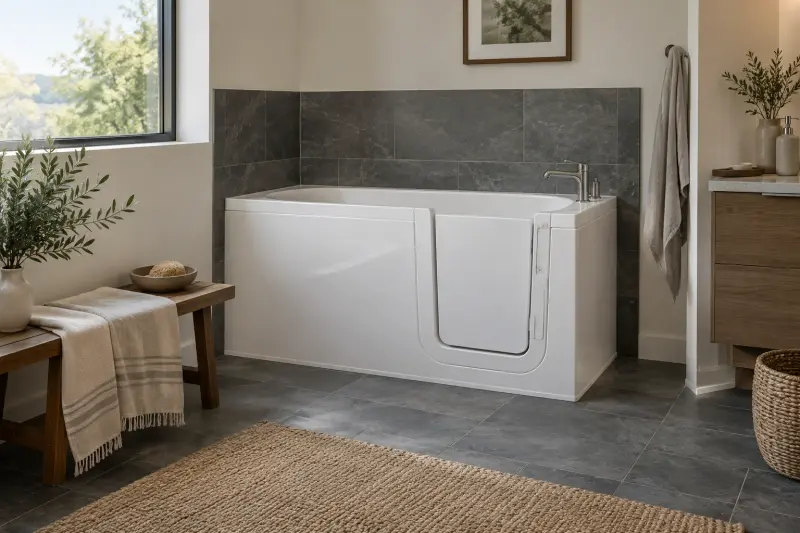
Define the simple soaking routine you want to preserve
Begin with the reason for considering a walk-in bath. Perhaps the reader wants a seated soak, a clear control arrangement or a bathroom project that answers an appropriately assessed access task. Write that brief before examining optional systems. A simple configuration can be a deliberate preference, while another reader may value a particular sensation or comfort feature. The comparison should respect both choices without treating the largest package as automatically superior.
List the essential tasks separately from extras. Entry, seat use, water provision, door sequence and leaving remain important even when the bath has no optional jets. A simpler feature list does not settle personal fit or installation scope. Ask the provider to describe the actual proposed routine and keep appropriate assessment questions visible. Do not assume a base model is suitable because there are fewer functions to explain.
American Standard's cited US series sheet distinguishes soaking, whirlpool, air and combined configurations. That is a concrete example of variants rather than a universal list of every supplier's offers. Ask which exact configurations are currently available for the intended installation and what each includes. A product-family photograph can show components absent from the written quote. Model and option identity should be established before weighing preferences.
Keep the actual user's words on the preference sheet. They may enjoy one type of bathing experience and have no interest in another feature included in a bundle. A relative's preference for a luxurious room can be recorded separately. Do not turn comfort language or jet count into a treatment score. Health-related concerns require appropriate evidence and personal advice, while this article helps compare the practical commitments of the offered systems.
End the brief with desired, optional and not presently valued beside each preference. These labels can change after a relevant explanation, but should not be replaced by the seller's package hierarchy. The no-purchase first step is a clear routine and current configuration information. That evidence can support a basic offer, selected extras or further research without implying that buying more functions guarantees a better outcome.
Compare the exact components instead of counting features
For each offered configuration, record the drain arrangement, supplied fittings, controls, heating features where relevant, jet or air system and any other included component. Ask the provider which are standard or optional and which are powered. A no-jets label should not obscure a powered drain or another included function. The household needs a component list, not an assumption that the simplest variant has no installation or ownership questions.
Put the exact model and document beside every entry. The cited American Standard series sheet describes variants with different component packages. Do not combine a base-model amount with a richer model's feature illustration. If an option changes the quote, request an updated identifier and scope. A comparison is most useful when another household member can tell which equipment each offer actually supplies without decoding a promotional package name.
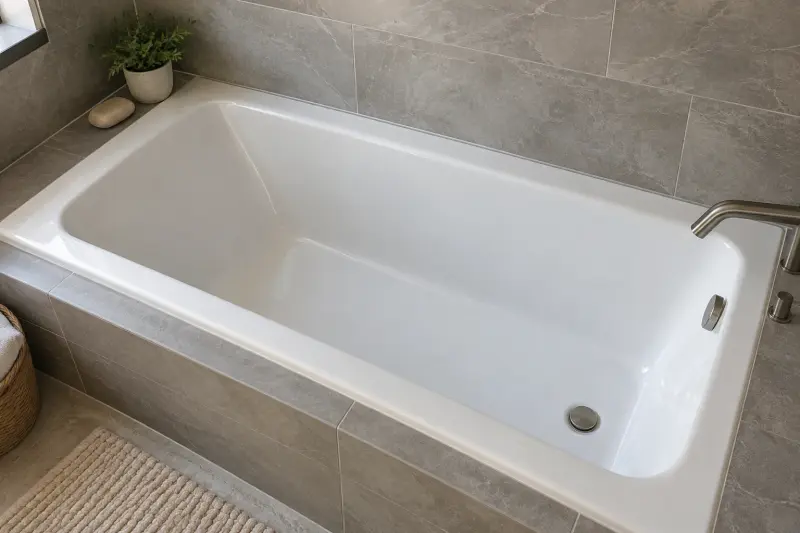
Ask what each optional function does in ordinary terms and how the provider demonstrates it. Keep the actual explanation and any untried aspect visible. A sensory preference does not require a fabricated medical claim to be valued. Conversely, a word such as therapeutic in marketing should not be presented as our independent efficacy finding. This website has not performed a hands-on comparison or measured a health outcome for the variants.
Keep external and internal fit questions outside the feature tally. Two variants in a series may share information while still requiring confirmation of the exact configuration and routine. The provider should explain the relevant seat, controls, entrance and services for the proposal. Do not assume more jets change a personal movement favorably or that removing them removes the need for a surveyed room and appropriate task advice.
Give differences next questions rather than automatic scores. A heating option might prompt a function and electrical-scope question; an air system might prompt a care-document request. A preferred finish belongs to a decorative choice. This method preserves the real reason for choosing a feature. It avoids an inflated best-bath ranking based on component count and lets the user decide which documented additions have value in their actual routine.
- ConfigurationExact model, variant, supplied options, and current document.
- ComponentsDrain, fittings, controls, heating, jets, air, or other supplied functions.
- PurposeReader-valued task or preference, described without a medical score.
- DifferenceInstallation, operation, care, and support question prompted by the feature.
Put operation, installation and care beside preference
Ask the provider to describe how the selected option is used in the complete normal routine and which current instructions apply. More controls may be welcome when their functions are understood, or unwanted when they serve no valued task. Keep the user's questions central. A helper can organize the explanation without replacing it with a generic operating sequence copied from another bath.
Request configuration-specific installation scope from the qualified provider. American Standard's US manual has a component-dependent electrical matrix, including its powered drain arrangement. This narrow example shows why a feature change needs professional confirmation; it supplies no circuit instructions for the reader's home. Ask whether a revised option list changes the work offer and which trade is responsible for that response.
For care, obtain the actual system instructions as well as surface guidance. An automatic function can perform a particular task while leaving other responsibilities with the owner. Do not assume the words cleaning or purge mean no care remains. Ask what the household performs, which schedules are documented and what requires professional assistance. Enter unanswered where guidance is missing instead of inventing a generic flushing routine.
Discuss who will manage the responsibilities. The reader may prefer ordinary surface care while a helper handles records or an agreed task. Keep personal reaching or assistance questions for appropriate advice. A family member's willingness is not authorization for specialist work and should not be assumed indefinitely. An optional system is a deliberate choice only when its actual ownership commitment is understood.

Finally, compare the revised offer rather than guess an optional feature's amount. The provider should explain what changes when a genuinely offered simpler configuration is selected. Keep essential project work, care and support visible. An apparent saving is meaningful when it comes from optional scope the reader does not value, rather than silently dropping a necessary task that remains part of the installation.
Worked selection: a bundle whose extras do not answer the brief
Imagine a fictional reader whose priority is a seated soak with an understood routine. A combined package adds several systems and decorative lighting. The first sales comparison favors it because it contains the most features. The household returns to the original brief and asks which additional functions the user genuinely expects to enjoy. The example does not claim a real package is overpriced or that optional features are inherently unnecessary.
The provider explains the actual variants and supplies current documents. The reader identifies one optional sensation they may value and another function they do not presently want. Each remains a preference rather than a health benefit assigned by our guide. Where no relevant demonstration is available, the limitation is recorded. The household does not invent a favorable trial result to justify the richer offer.
Next, the configuration table checks the drain, controls, fittings and heating functions in both the soaking and richer proposals. The household discovers a powered component in the offered base arrangement and asks for the appropriate installation scope. Simpler is not treated as no electrical work. The qualified provider connects the actual inventory to the project, while essential fit and water-supply questions stay outside the optional-feature scorecard.
The care planner is completed from the relevant instructions. Some tasks are understood, while one option-specific guidance question remains open. The household requests that answer rather than assume the feature is difficult or effortless to maintain. It also checks who performs the routine and which support route applies. The decision now includes preference and commitment together, not just the number of systems printed on the brochure.
The reader might choose the soaking configuration, one genuinely offered preferred option or the full package after clarification. It could also pause. A revised written offer identifies the accepted scope and conditions. The useful outcome is an intentional choice connected to the user's task. The example preserves lower-cost possibilities without pressuring every reader into the smallest package or using therapeutic language to push the largest one.
Use a need-versus-care worksheet for optional functions
Make one row for each optional function, with reader preference, documented purpose, relevant operation, installation question, care instruction and support route. Mark information missing or indirect honestly. Do not calculate a benefit score from these fields. The worksheet should identify the next useful answer and give the reader an understandable account of what a choice adds, rather than create a pseudo-scientific best-package verdict.

Keep the core bath review alongside it. Entry, seat, water supply, door orientation, room work and normal exit are essential project questions for any configuration. A completed optional-feature table does not mean those questions are resolved. Link each proposal to the same routine brief and current room drawing so changing features cannot quietly change the task being purchased.
When a provider offers a simpler variant, ask whether its other configuration details remain the same and what work or care changes. Request a revised offer. Do not subtract an imagined feature price or assume a base product listing describes the complete installed room. The lower-cost option is credible when its actual scope is documented and the remaining arrangement answers the agreed task.
Add companion items only for confirmed narrow needs. An existing folder can manage option-specific manuals. Suitable existing storage may help preparation where the reviewed layout permits it. A bathing aid needs its own appropriate task and compatibility review, rather than being added automatically to every purchase. These choices should not be used to make an unresolved seat or control question appear answered.
Retain the final worksheet privately with the accepted option list and handover record. Ask the installer to explain the supplied functions and relevant owner responsibilities. If the delivered configuration changes, request the appropriate revised documents and discussion. The worksheet adds value through continuity: the reader's preferred experience remains connected to the actual equipment and commitments, including the choice not to buy an extra function.
- PreferenceState the specific experience or task the user values.
- Documented purposeExact option and source, with limits retained.
- CommitmentOperation, qualified work, care, and support responsibilities.
- Open evidenceMissing document, indirect material, or explanation still needed.
- Accepted choiceCurrent option list and revised written scope.
Questions readers ask about a soaking bath versus jets
Is a no-jets walk-in bath a worthwhile option?
Compare a genuinely offered configuration with the user's actual soaking and access task. A simpler feature list can be deliberate, but it still needs fit, water and installation questions resolved. Ask what is supplied and what work applies. This guide does not assume either fewer features or a premium package is universally better.
Do more jets mean better health benefits?
A component count is not a medical outcome score. Keep comfort preferences distinct from treatment claims, which require appropriate evidence and personal advice where relevant. The provider can explain its exact feature, while our comparison does not invent independent efficacy testing. Choose the experience you value after understanding its actual operation and care commitment.
Does no jets mean no electricity?
Not necessarily for the actual offer; ask about all included components. The cited American Standard manual includes a soaker with its powered drain in the configuration matrix. Other models require their own current evidence. A qualified provider should confirm the installation scope rather than the household apply a generic category assumption.

Are automated care features maintenance-free?
Ask which task they perform and which owner responsibilities remain in the current instructions. Surface and internal-system care can be separate. A function name does not establish that the whole bath needs no upkeep. Mark missing guidance as unanswered and request it before treating care as either easy or burdensome.
Can I keep only one preferred option?
Ask what configurations the provider genuinely offers and obtain the exact revised model and work scope. Do not infer modular availability from a family photograph. A selected option may be a deliberate value choice if it serves a valued task and its commitments are clear. The provider must identify the actual offered arrangement.
What should settle the final choice?
Use the same core routine and room review, then compare preferences, components, qualified work, care and support for each variant. Keep the user's comments and missing evidence visible. The useful outcome can be a base configuration, understood extras or another discussion. No purchase should depend on an invented benefit rating or an assumption that maximum features guarantee suitability.
How should I compare a claim about quiet operation?
Ask which exact configuration and conditions the provider describes and whether the information is a demonstration, documented figure or general sales description. State why the sound matters to your own routine, such as wanting to understand an optional system used near another occupied room. Do not rank baths by an invented noise score or assume every no-jets variant has the same behavior. Keep the claim and its limits beside the specific feature before deciding how much value that preference has.
MAKE THE SPEND MEANINGFUL
Before adding to the basket.
- Choose an appropriate soaking configuration if it meets the brief.
- Select only valued optional functions instead of an automatic maximum bundle.
How this guide was prepared
AI-assisted editorial research, checked against the linked primary sources. Product testing and a credentialed individual review are not claimed.
source-checked editorial; no hands-on testing or expert suitability assessment claimed
How we use sources and AI assistance ↗Sources & fact checks
The guide separates sourced facts from editorial questions and examples. We have not claimed hands-on product testing. How we use sources and AI assistance.
- American Standard: 2848.115 model specification sheet ↗
- American Standard: walk-in bath installation and owner instructions ↗
Found an error or an outdated detail? Contact the editorial team.